The global energy landscape stands at a critical inflection point. As the world pivots towards electrification to combat climate change, the demand for lithium, the lifeblood of rechargeable batteries, has surged to unprecedented levels. This insatiable hunger for electric vehicles (EVs), grid-scale energy storage, and portable electronics has cast a spotlight on the limitations of traditional lithium extraction methods. Hard rock mining and solar evaporation ponds, the industry’s stalwarts, are struggling to keep pace with demand while facing mounting environmental and operational scrutiny.
Enter Direct Lithium Extraction (DLE), a suite of transformative technologies poised to fundamentally reshape the lithium supply chain. This article delves into the mechanics, advantages, and global advancements of DLE, exploring how it promises to deliver a faster, more efficient, and sustainable lithium future.
The Growing Imperative for Lithium and Its Supply Challenges
Lithium has become a critical material in the 21st century. The push for decarbonization has made lithium-ion batteries the cornerstone of the energy transition, creating an escalating demand that shows no signs of abating. As a result, lithium production needs to accelerate rapidly, yet conventional methods are bottlenecked by significant challenges.
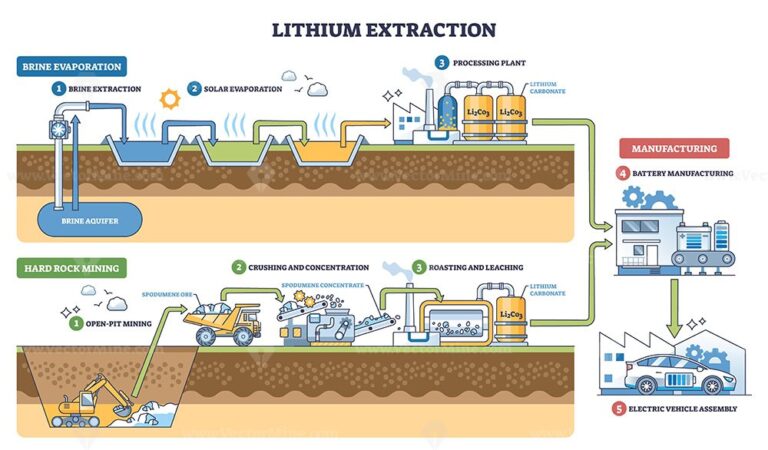
Traditional lithium production primarily follows two routes: hard rock mining, predominantly in Australia, and brine evaporation, concentrated in the “Lithium Triangle” of South America (Chile, Argentina, and Bolivia) . While these methods have supplied the market for decades, they come with substantial trade-offs that are becoming increasingly problematic.
Hard rock mining, particularly from spodumene ore, is an energy-intensive process. It involves mining, crushing, and high-temperature roasting, followed by acid leaching, which results in high greenhouse gas emissions and significant land disturbance . Furthermore, the processing is often concentrated in China, creating geopolitical vulnerabilities in the supply chain .
On the other hand, conventional brine extraction involves pumping lithium-rich saline water into large evaporation ponds, where it sits for 12 to 24 months. The sun evaporates the water, concentrating the lithium salts, which are then processed. This method’s recovery rate is typically low (only 40-60%), it is geographically limited to specific arid climates, and it has severe environmental impacts, including massive land use and high water loss in already water-stressed regions .
These constraints underscore a pressing need for a technological leap to ensure a stable, scalable, and sustainable lithium supply. Direct Lithium Extraction is emerging as the answer to this critical challenge.
What is Direct Lithium Extraction? A Technical Overview
Direct Lithium Extraction (DLE) refers to a collection of advanced chemical processes designed to selectively remove lithium from brine water sources without the need for massive evaporation ponds. Instead of waiting for years, DLE can extract and concentrate lithium in a matter of hours or days .
The process typically works by pumping brine directly from underground aquifers, geothermal sources, or oilfield operations. This brine is then passed through a chemical filtration system that uses specialized technologies to capture lithium ions while allowing other elements like magnesium, calcium, sodium, and potassium to pass through. The lithium-loaded medium is then processed to release a concentrated, purified lithium solution. Crucially, after the lithium is extracted, the remaining brine (now stripped of lithium but otherwise unaltered) can be reinjected back into the ground, minimizing environmental disruption .
The Core Technologies Behind DLE
Direct Lithium Extraction is not a single technology but a toolkit of several distinct methods, each with its own maturity level and suitability for different brine chemistries . The primary DLE technologies are:
A. Adsorption: This is currently the most commercially mature and widely deployed DLE technology . It uses small porous beads or granules—known as sorbents—that act like a chemical sponge. As brine flows over these sorbents, they selectively attract and hold lithium ions onto their surface. A common sorbent material is aluminum hydroxide, which has demonstrated high lithium uptake and selectivity . After the sorbent is saturated, water is used to wash the lithium off, creating a concentrated lithium chloride solution.
B. Ion Exchange (IX): This process uses resins or ceramic materials that exchange lithium ions with other ions (like hydrogen). The brine flows through a column of ion-exchange media, which captures lithium and releases a different, benign ion. Like adsorption, it offers high recovery rates (80–99%) and is at a high technology readiness level .
C. Solvent Extraction: This method involves mixing the brine with a chemical solvent that has a strong affinity for lithium. The lithium transfers from the brine (aqueous phase) into the organic solvent. The two liquids are then separated, and the lithium is stripped from the solvent. This method can achieve exceptionally high recovery rates (up to 99.9%) but is considered less commercially mature than adsorption and ion exchange .
D. Membrane Separation: This technology uses specialized membranes that act as molecular filters. They allow small lithium ions to pass through while blocking larger ions. This is a promising and energy-efficient approach that can be used in conjunction with other methods, but its technology readiness level is lower, currently at pilot or early demonstration stages .
The Transformative Advantages of DLE
The shift from conventional to direct extraction offers a paradigm shift in lithium production, providing a host of compelling benefits across the environmental, economic, and supply-chain spectrum.
-
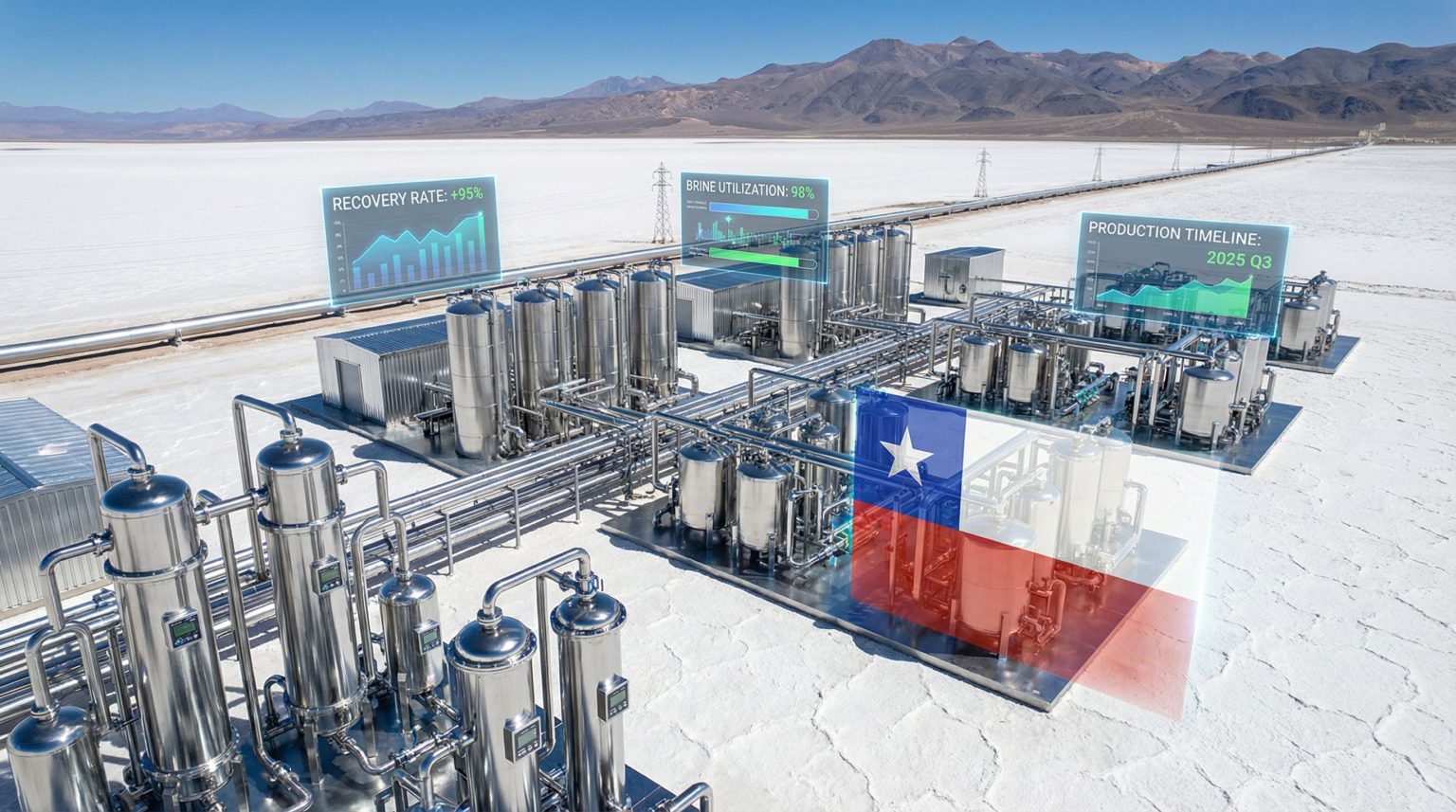
Superior Recovery Rates: One of the most significant advantages of DLE is its efficiency. While conventional evaporation ponds recover only 40-60% of the lithium present, DLE technologies routinely achieve recovery rates of 80% and above . Some industry players are reporting even more impressive figures, with one company announcing consistent 98% recovery from diverse brine samples . This efficiency means more lithium is extracted from the same volume of brine, maximizing resource utilization.
-
Dramatically Reduced Environmental Footprint: DLE is a game-changer for the environmental sustainability of lithium production.
-
Minimized Land Use: DLE facilities have a drastically smaller land footprint compared to the vast, sprawling evaporation ponds, which cover hundreds of square kilometers. Studies indicate that shifting to DLE could avoid 141-381 km² of land conversion by 2040 .
-
Significant Water Savings: By eliminating the need for massive evaporation, DLE can drastically reduce water consumption. Depending on the technology used (e.g., ion exchange), freshwater consumption can be tens of times lower than other methods . Some studies project a total reduction in freshwater use of 11-32% by shifting to DLE .
-
Lower Carbon Emissions: The DLE process is less energy-intensive than conventional mining methods. When powered by renewable energy sources, DLE can lead to a substantial reduction in greenhouse gas emissions. Research suggests that an aggressive shift to DLE could lower CO2 emissions by 9-44% . In one specific example, a DLE process from spodumene was found to reduce the global warming potential by 59% compared to the conventional method .
-
-
Expanding Resource Accessibility: Traditional evaporation ponds require brines with very high lithium concentrations and specific geographies and climates. DLE is far more versatile. It can operate on a much wider variety of brine sources, including lower-concentration brines and those with high levels of impurities. This opens up new frontiers for lithium production, such as:
-
Geothermal Brines: Geothermal power plants produce hot, lithium-rich brine as a byproduct of energy generation. DLE can tap into this existing resource, providing a new revenue stream for clean energy producers. Projects in California’s Imperial Valley are pioneering this model .
-
Oilfield Brines: Many oil and gas operations extract large amounts of brine. DLE offers a way to extract value from this waste stream, turning a liability into an asset .
-
Seawater: While the lithium concentration is extremely low, research into extracting lithium from seawater and desalination plant reject streams is ongoing, presenting a virtually limitless source for the future .
-
-
Strategic Supply Chain Diversification: Geopolitically, DLE offers a pathway to domestic lithium production for regions like North America and Europe, which have not been major players in the conventional market. By unlocking domestic resources, DLE can help reduce reliance on concentrated foreign supply chains, enhancing energy security and economic resilience .
-
Operational Speed: The extraction process is reduced from a year or more to just a few days or weeks. This enhanced speed allows producers to respond more nimbly to market demands and helps stabilize volatile lithium prices .
Real-World Milestones: DLE Projects Gaining Momentum
The theoretical advantages of DLE are rapidly being validated by significant real-world projects and milestones.
1. Geothermal Lithium in California: TerraLithium (a subsidiary of Occidental Petroleum) and BHE Renewables have announced key milestones for their DLE project in California’s Imperial Valley . They successfully produced a high-purity lithium chloride using TerraLithium’s DLE process at a geothermal facility and then converted it into battery-grade lithium carbonate. Furthermore, they directly converted lithium chloride into lithium hydroxide using a commercial-scale electrolyzer, demonstrating a complete path from brine to battery materials. With 10 geothermal power plants processing 50,000 gallons of brine per minute to generate 345 MW of clean energy, the project aims to demonstrate commercial viability at scale, a critical step for the industry .
2. North America’s Largest DLE Unit: In Saskatchewan, Canada, Aquatech is set to supply the largest DLE unit ever deployed in North America for Prairie Lithium . The project will use Aquatech’s Li-Pro™ Lithium Selective Sorption (LSS) technology, which is one of the most rigorously tested DLE technologies in the world, having demonstrated consistent recovery over 15,000 cycles across four years . The modularized Quadpod™ unit is planned to be installed in summer 2026, marking a major milestone for the North American lithium industry and aiming to accelerate Prairie Lithium’s path to commercial production .
3. Technological Prowess in Texas: International Battery Metals Ltd. (IBAT) reported remarkable results from its brine testing program in the Smackover formation in Texas and Arkansas, along with brines from the Middle East and Argentina . The company announced consistent 98% lithium recovery and over 99% contaminant rejection across different samples, with more than 1,200 cycles on a single column with zero degradation . The company’s focus on modular DLE technology positions it to support the next phase of lithium project development with a flexible and scalable approach.
Challenges and the Path to Widespread Commercialization
Despite its immense promise, DLE is not without its challenges. The technology is still in its early stages of commercial deployment, and several hurdles must be overcome.
-
Scaling and Economics: While DLE projects are scaling up, proving economic viability at a large, commercial scale remains the central challenge . The capital expenditure (CAPEX) for DLE is similar to conventional methods, but the key is to demonstrate lower operational costs (OPEX) and higher efficiency over the long term .
-
Brine Chemistry Variability: Brines from different sources have different chemical compositions. A DLE technology that works perfectly on one brine may fail on another. This requires tailoring and customization, which adds to development time and costs .
-
Technology Maturity: While adsorption is commercially ready, other promising technologies like membrane separation and solvent extraction still require significant research and development to reach the same level of maturity .
-
Re-injection and Long-Term Sustainability: While DLE is marketed as more sustainable, the practice of re-injecting spent brine must be rigorously managed to ensure it does not negatively impact the aquifer or cause geological issues. Long-term monitoring and careful environmental management are essential.
-
Regulatory and Permitting Frameworks: As a relatively new industry, DLE projects often face regulatory uncertainty. Permitting processes may not be streamlined for this technology, and environmental governance frameworks need to evolve to accommodate it, especially in environmentally sensitive areas .
The Future Outlook: A Paradigm Shift in Motion
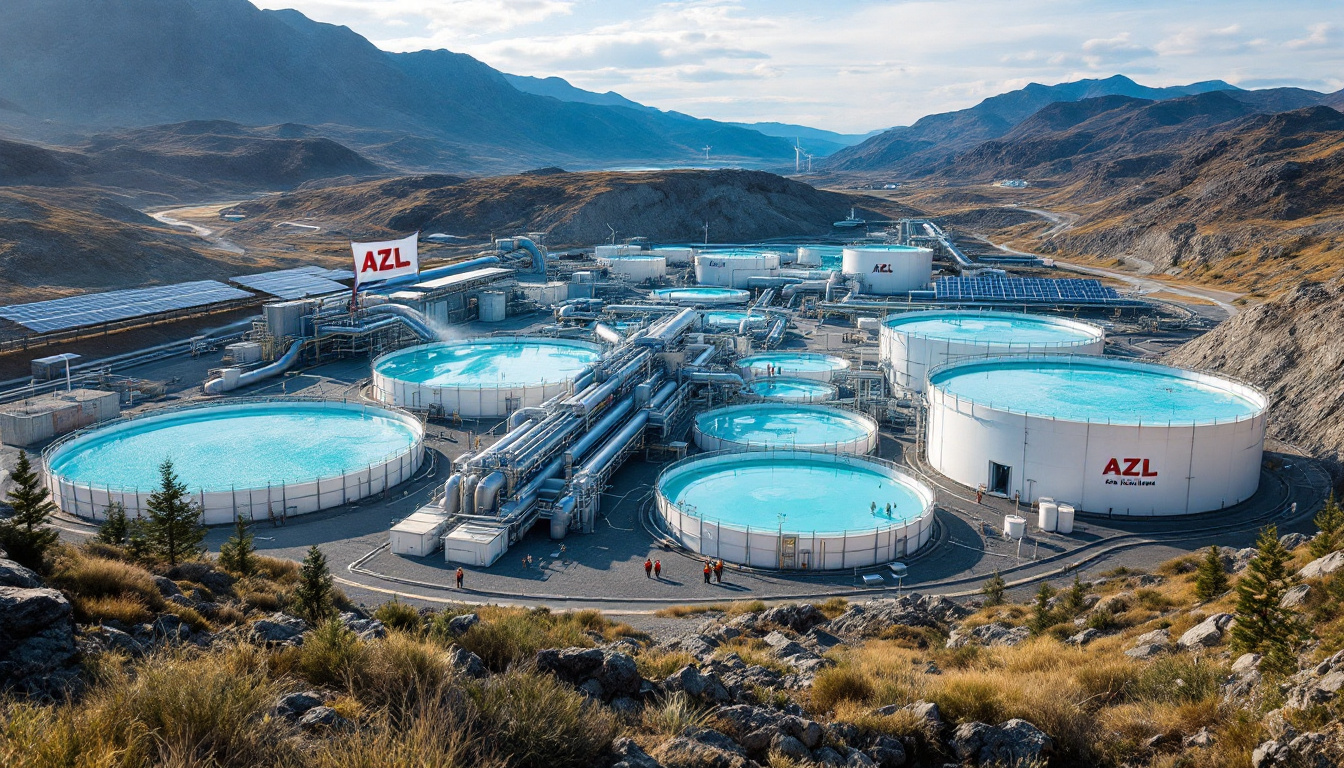
Direct Lithium Extraction is not just an incremental improvement; it represents a fundamental shift in how the world will source a critical material for the energy transition. The “artisanal” methods of the past are being replaced by a technologically sophisticated, sustainable, and strategically agile model.
The market is responding accordingly. The IDTechEx report forecasts that the direct lithium extraction market could help lift the total lithium market value to around US$52 billion by 2036 . While DLE is unlikely to completely eliminate conventional methods in the short to medium term, it is expected to take an increasingly dominant role as the technology matures and more commercial projects come online .
By reducing land and water use, lowering emissions, and offering a path to domestic supply chains, DLE is building the foundation for a truly sustainable and resilient electrification future. The technological milestones achieved in recent years have moved DLE from a promising idea to a tangible, operational reality. The next decade will be decisive in solidifying its role as the cornerstone of the global lithium supply chain.