
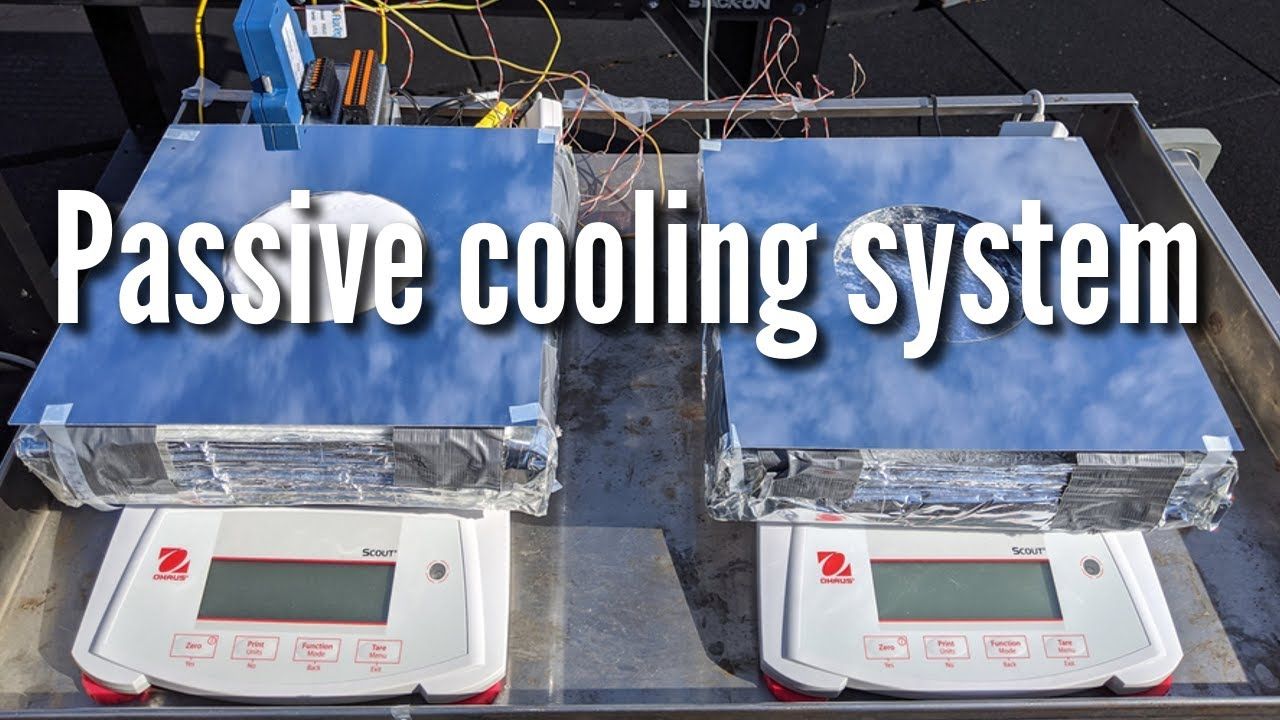
The global demand for cooling systems has skyrocketed in recent years, driven by rising temperatures, urbanization, and increased reliance on electronic devices. Traditional air conditioning and mechanical ventilation systems account for a substantial portion of global energy consumption, contributing to greenhouse gas emissions and escalating electricity costs. In response to these challenges, passive cooling materials have emerged as a groundbreaking solution that offers sustainable temperature regulation without relying on active energy inputs. These innovative materials are designed to reflect solar radiation, dissipate heat efficiently, and maintain comfortable indoor environments while significantly reducing energy usage. This article explores the science behind passive cooling materials, their diverse applications, environmental benefits, economic implications, and future potential in reshaping how we approach thermal management in buildings, transportation, and industrial sectors.
Understanding Passive Cooling Materials
Passive cooling materials are substances engineered to manage heat flow naturally through physical properties rather than mechanical intervention. Unlike conventional cooling systems that consume electricity to transfer heat from indoor spaces to the outdoors, passive materials work by manipulating radiative, convective, and conductive heat transfer mechanisms. The core principle involves maximizing the emission of thermal radiation while minimizing solar absorption, thereby allowing surfaces to stay cooler than the ambient air temperature. This phenomenon, known as radiative cooling, occurs when materials emit infrared radiation through the atmospheric window, which is the wavelength range between 8 to 13 micrometers where the atmosphere is most transparent. By achieving high emissivity in this specific range and high reflectivity across the solar spectrum, passive cooling materials can achieve sub-ambient temperatures even under direct sunlight.
Recent advancements in nanotechnology and materials science have enabled the development of metamaterials, photonic structures, and bio-inspired coatings that exhibit exceptional cooling performance. These materials often incorporate porous structures, embedded nanoparticles, or multilayer designs that selectively interact with different wavelengths of light. For instance, some passive cooling materials use hollow silica spheres or polymer-dielectric composites to scatter sunlight effectively while emitting thermal radiation efficiently. Others mimic the cooling mechanisms found in nature, such as the white fur of Saharan silver ants or the reflective scales of certain beetles, which have evolved to survive extreme desert conditions. By emulating these biological strategies, scientists have created coatings and films that can be applied to roofs, walls, windows, and even clothing to provide passive cooling benefits.
The Science Behind Radiative Cooling
To fully appreciate the potential of passive cooling materials, it is essential to understand the physics of radiative cooling. All objects emit thermal radiation in the form of electromagnetic waves, with the intensity and wavelength distribution determined by their temperature and surface properties. The Earth’s atmosphere partially absorbs and re-emits this radiation, but a specific window exists where atmospheric absorption is minimal, allowing heat to escape directly into outer space, which acts as an infinite heat sink at approximately 3 Kelvin. Passive cooling materials are designed to exploit this atmospheric window by emitting strongly in the 8-13 micrometer range while reflecting most solar radiation in the visible and near-infrared spectra, which typically accounts for over 90% of incoming solar energy.
During daytime, the challenge intensifies because solar irradiance can reach up to 1,000 watts per square meter on a clear day, potentially overwhelming the cooling effect. However, advanced passive cooling materials have demonstrated the ability to achieve net cooling power of over 100 watts per square meter under direct sunlight, maintaining temperatures 5 to 10 degrees Celsius below ambient. This remarkable performance is achieved through precise spectral engineering, where materials exhibit near-perfect solar reflectance (above 95%) and high thermal emissivity (above 90%) within the atmospheric window. The combination of these optical properties enables continuous cooling without any energy input, making passive cooling materials an attractive alternative for reducing building energy consumption and mitigating urban heat island effects.
Types of Passive Cooling Materials
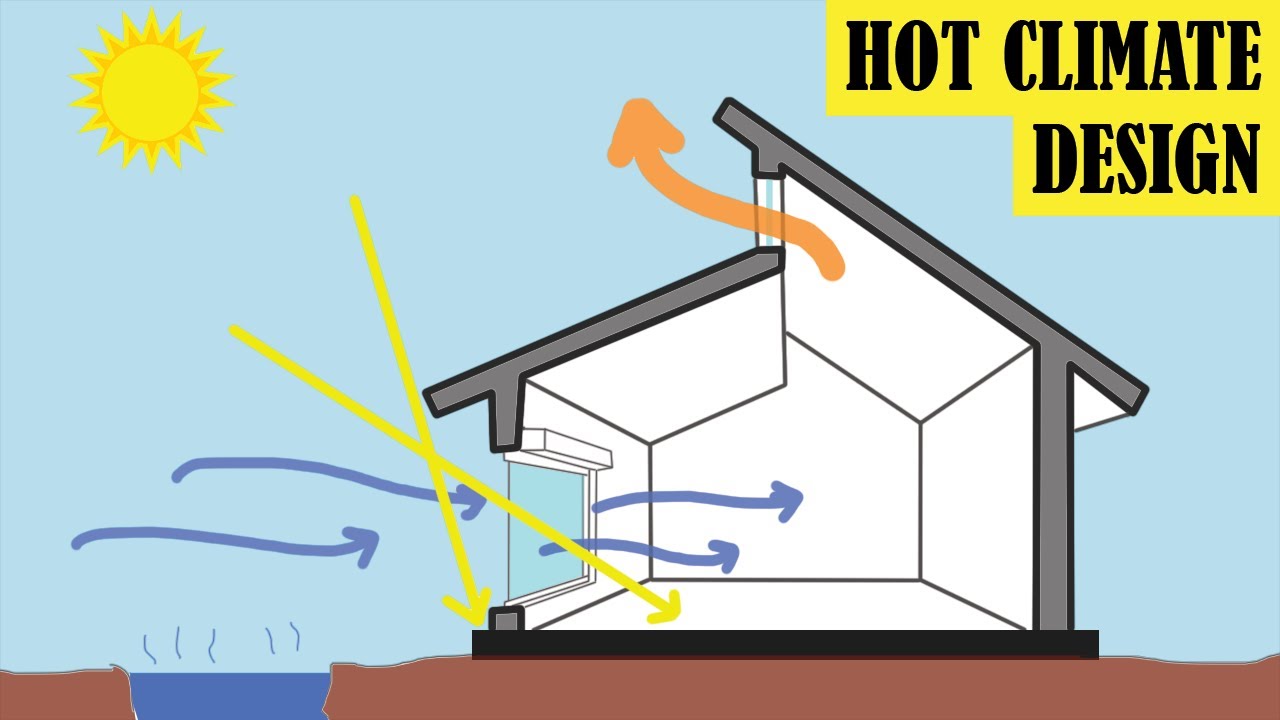
A wide variety of passive cooling materials have been developed, each with unique compositions, manufacturing processes, and application methods. These materials can be broadly categorized based on their physical form, spectral properties, and integration potential with existing infrastructure.
A. Radiative Cooling Paints and Coatings
These are among the most accessible passive cooling solutions, formulated as liquid suspensions that can be applied to exterior surfaces like brush-on paint. They typically contain barium sulfate, titanium dioxide, or calcium carbonate particles that scatter sunlight effectively, combined with polymer binders that provide infrared emissivity. Some advanced formulations incorporate hollow microspheres or phononic structures to enhance cooling performance while maintaining durability and weather resistance. These coatings are available in various colors, although lighter shades generally offer better solar reflectance.
B. Polymeric and Metamaterial Films
Thin-film passive cooling materials are manufactured as flexible sheets that can be laminated onto windows, roofs, or vehicle exteriors. These films often consist of alternating layers of dielectric materials or polymers with different refractive indices, creating photonic structures that selectively reflect and emit radiation. Some products integrate silver or aluminum back-reflectors to minimize heat absorption, while others use porous polymer matrices that scatter light efficiently. These films are lightweight, easy to install, and can be tailored to specific wavelength requirements.
C. Bio-Inspired and Natural Materials
Nature offers abundant examples of passive cooling, and researchers have developed materials that replicate these biological strategies. Cellulose-based aerogels, bamboo-derived coatings, and chitin composites are renewable alternatives that demonstrate promising cooling properties. Additionally, certain plant extracts and natural pigments have been incorporated into coatings to achieve selective spectral properties. These sustainable options align with the growing demand for environmentally friendly building materials while providing effective thermal management.
D. Phase Change Materials with Radiative Properties
While traditional phase change materials absorb and release latent heat during melting and solidification, recent innovations combine these storage capabilities with radiative cooling functions. These hybrid materials can store excess heat during peak daytime hours while simultaneously emitting thermal radiation, thereby extending cooling benefits into nighttime periods. Encapsulated paraffin waxes, salt hydrates, and fatty acids are common phase change components that can be integrated into building envelopes or textile layers.
Applications Across Sectors
The versatility of passive cooling materials enables their deployment across diverse applications, ranging from residential and commercial buildings to transportation, agriculture, and electronics cooling. In the built environment, these materials can be applied to roofs, exterior walls, windows, and shading devices to reduce heat gain and minimize cooling loads. Retrofitting existing structures with passive cooling coatings has become particularly attractive because it offers significant energy savings without requiring major structural modifications. For new constructions, passive cooling materials can be incorporated into prefabricated panels, tiles, and insulation systems, providing seamless integration with conventional building practices.
In urban planning, widespread adoption of passive cooling materials can contribute to mitigating the urban heat island effect, where densely built areas experience higher temperatures than surrounding rural regions due to heat absorption and retention. By increasing the albedo of urban surfaces, passive cooling materials reduce surface temperatures, lower ambient air temperatures, and decrease the demand for air conditioning across entire neighborhoods. Cities like Los Angeles, Tokyo, and Singapore have already initiated pilot programs to test cool roofing and paving technologies, demonstrating measurable temperature reductions and energy savings.
The transportation sector also benefits from passive cooling materials, particularly in vehicles exposed to prolonged sunlight. Applying radiative cooling films to car roofs, windows, and interiors can reduce cabin temperatures significantly, improving passenger comfort and reducing air conditioning usage. Similarly, refrigerated trucks and shipping containers can maintain lower internal temperatures with less energy, extending the shelf life of perishable goods while lowering operating costs. In aviation, passive coatings on aircraft fuselages can reduce skin temperatures during ground operations, potentially decreasing fuel consumption and maintenance requirements.
Agriculture represents another promising application, where passive cooling materials can protect crops from excessive heat stress, reduce water evaporation from irrigation systems, and extend growing seasons in hot climates. Greenhouses equipped with radiative cooling films maintain optimal temperatures for plant growth while reducing reliance on mechanical ventilation and shading. Additionally, passive cooling materials can be applied to storage facilities, silos, and transportation containers to preserve food quality and reduce post-harvest losses.
Environmental and Economic Benefits
The environmental advantages of passive cooling materials are substantial, primarily driven by the reduction in energy consumption and associated greenhouse gas emissions. Conventional air conditioning systems account for nearly 10% of global electricity consumption and produce significant amounts of hydrofluorocarbons, which are potent greenhouse gases. By replacing or supplementing mechanical cooling with passive materials, buildings can reduce their energy demand by 20% to 50% depending on climate conditions and building design. This translates into millions of tons of carbon dioxide equivalent emissions avoided annually, contributing to climate change mitigation goals.
From an economic perspective, passive cooling materials offer attractive returns on investment through reduced utility bills and lower maintenance costs. Although initial installation expenses may be higher than conventional roofing or coating materials, the long-term savings often justify the investment within three to five years. Furthermore, these materials extend the lifespan of roofing systems by reducing thermal expansion and contraction, minimizing damage from ultraviolet radiation, and preventing moisture accumulation. Building owners also benefit from increased property values and improved occupant comfort, which can translate into higher rental yields and enhanced productivity in commercial spaces.
Passive cooling materials also offer significant operational advantages by reducing peak electricity demand, which alleviates strain on power grids during heatwaves and reduces the need for additional generation capacity. This grid-level benefit has been recognized by utility companies and policymakers who offer incentives and rebates for cool roofing installations. Additionally, the manufacturing processes for many passive cooling materials are becoming more sustainable, with some products utilizing recycled materials or biodegradable components, further enhancing their environmental credentials.
Challenges and Limitations
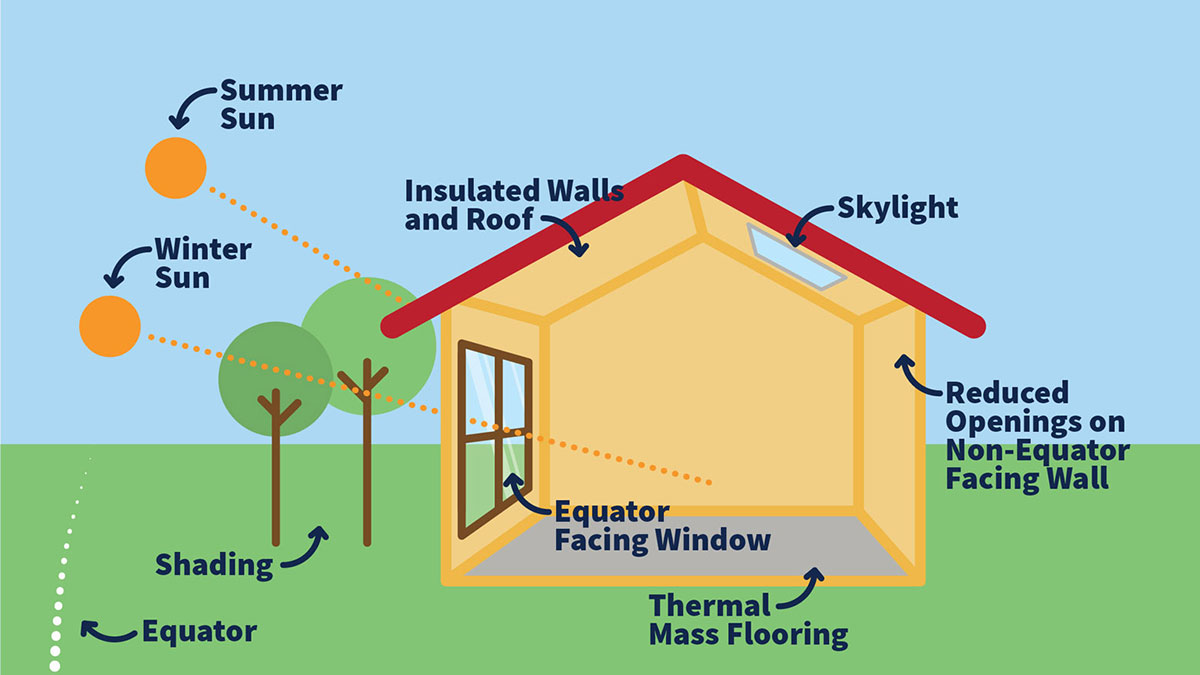
Despite their numerous benefits, passive cooling materials face several challenges that must be addressed to achieve widespread adoption. One significant limitation is their performance dependency on environmental conditions, particularly humidity, cloud cover, and air stagnation. In humid climates, atmospheric water vapor absorbs infrared radiation, reducing the effectiveness of radiative cooling and diminishing potential energy savings. Similarly, overcast conditions limit the ability to emit heat to space, while air pollution and particulate matter can scatter sunlight and interfere with cooling performance.
Durability and maintenance represent another concern, as passive cooling materials must withstand prolonged exposure to ultraviolet radiation, temperature fluctuations, mechanical abrasion, and chemical degradation. Some coatings experience discoloration or surface fouling over time, which reduces their solar reflectance and cooling efficiency. Regular cleaning and inspection are necessary to maintain optimal performance, adding to lifecycle costs. Additionally, the installation of passive cooling materials requires skilled labor and proper surface preparation, which can be challenging in retrofitting applications or uneven substrates.
Cost remains a barrier for certain applications, particularly in developing regions where initial investment costs may be prohibitive despite long-term savings. While prices have declined significantly with technological advancements and economies of scale, passive cooling materials still command a premium compared to conventional alternatives. Financial incentives, subsidies, and financing mechanisms are essential to bridge this gap and promote equitable access to cooling solutions.
Future Directions and Innovations
The field of passive cooling materials continues to evolve rapidly, driven by advances in computational materials design, additive manufacturing, and artificial intelligence. Machine learning algorithms are now being employed to screen thousands of potential material combinations and predict their optical properties, accelerating the discovery of high-performance formulations. Quantum simulations and density functional theory provide deeper insights into the fundamental physics of phonon-polaritons and surface plasmons, enabling the design of materials with unprecedented spectral selectivity.
Multifunctional passive cooling materials represent a significant trend, combining thermal management with other valuable properties such as self-cleaning, anti-bacterial, and photocatalytic functionalities. Titanium dioxide-based coatings, for instance, can simultaneously cool surfaces while breaking down organic pollutants and sterilizing pathogens under sunlight. Similarly, smart passive cooling materials that respond dynamically to environmental changes are being developed, incorporating thermochromic or electrochromic components that adjust their optical properties based on temperature or illumination conditions.
Integration with renewable energy systems offers exciting opportunities for hybrid solutions that combine passive cooling with photovoltaic generation. Transparent radiative cooling films can be applied to solar panels to reduce operating temperatures, improving electrical conversion efficiency and extending panel lifespan. Conversely, building-integrated photovoltaics combined with passive cooling coatings can generate electricity while maintaining comfortable indoor temperatures, achieving net-zero energy performance in buildings.
Policy and Market Adoption
Government policies and regulatory frameworks play a crucial role in accelerating the adoption of passive cooling materials. Building codes and energy efficiency standards increasingly include provisions for cool roofs, reflective pavements, and high-performance insulation. In the United States, programs like Energy Star and LEED certification recognize passive cooling materials as eligible measures for achieving energy efficiency credits. Meanwhile, the European Union’s Energy Performance of Buildings Directive encourages the integration of passive cooling technologies into renovation and new construction projects.
Market adoption has been growing steadily, with major manufacturers entering the passive cooling materials sector and expanding their product portfolios. Construction companies, architects, and engineers are increasingly incorporating these materials into building designs, driven by client demand for sustainable solutions and regulatory requirements. Educational programs and professional certifications are emerging to train industry professionals on the selection, specification, and installation of passive cooling materials, ensuring quality and performance consistency.
International collaboration and knowledge sharing are facilitating technology transfer and capacity building, particularly in regions most vulnerable to heat stress and energy poverty. The Global Cooling Pledge, launched at the United Nations Climate Change Conference, has set ambitious targets for expanding access to sustainable cooling solutions, including passive cooling materials. Similarly, initiatives like the Cool Coalition and the Kigali Cooling Efficiency Program provide technical assistance and financing to support deployment in developing countries.
Conclusion
Passive cooling materials represent a transformative approach to thermal management that offers substantial energy savings, environmental benefits, and economic returns. By harnessing the principles of radiative cooling and solar reflectance, these materials provide a sustainable alternative to energy-intensive air conditioning systems, addressing the growing global demand for cooling while mitigating climate change impacts. The diverse range of available materials, including paints, films, polymers, and bio-inspired coatings, enables versatile applications across buildings, transportation, agriculture, and urban infrastructure.
As research continues to advance, future innovations will likely yield even more efficient, durable, and multifunctional passive cooling materials that can be seamlessly integrated into our built environment. However, achieving widespread adoption requires overcoming challenges related to cost, durability, and performance variability through continued research, policy support, and market development. By embracing passive cooling materials as part of comprehensive energy efficiency strategies, governments, businesses, and individuals can contribute to a cooler, more sustainable future while enjoying the economic and comfort benefits they provide. The transition toward passive cooling is not merely a technological shift but a fundamental rethinking of how we design spaces, manage energy, and interact with our environment, offering a path toward resilience in an increasingly warming world.