

The global food system is at a critical juncture. With a rapidly expanding population and increasing awareness of the environmental and ethical issues associated with traditional agriculture, the demand for sustainable, nutritious, and safe food has never been greater. The challenges are immense: agriculture is a primary driver of deforestation, a major consumer of water resources, and a significant contributor to greenhouse gas emissions . In response, a revolutionary technology known as precision fermentation (PF) is emerging as a transformative solution . This advanced biotechnological process is poised to reshape how we produce food, offering a method to create high-value ingredients with a fraction of the environmental impact of conventional methods .
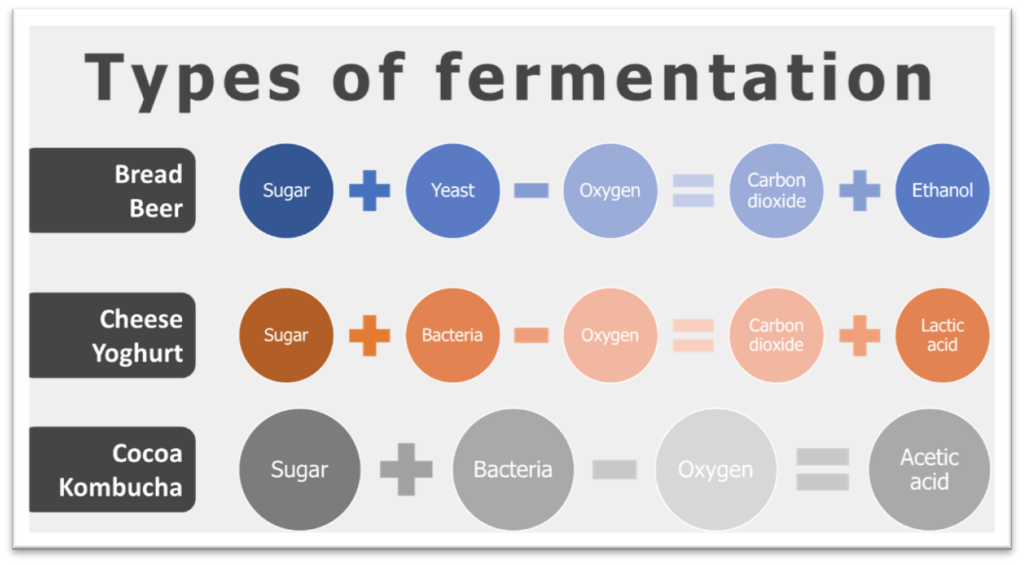
Precision fermentation is a modern evolution of a process as old as civilization itself: fermentation. For millennia, humans have used traditional fermentation to create bread, cheese, yogurt, beer, and other staples . This ancient practice relies on the natural metabolic activity of microorganisms to transform raw ingredients, enhancing their flavor, nutritional value, and shelf life .
However, precision fermentation represents a monumental leap forward. While traditional fermentation uses naturally occurring microorganisms to produce a complex mixture of compounds, PF leverages the power of modern biotechnology, such as genetic engineering and synthetic biology, to program microorganisms to act as highly efficient “cell factories” . These engineered microbes, including yeast, fungi, and bacteria, are precisely cultivated to produce a single, specific target molecule such as a protein, enzyme, fat, or flavoring agent . This shift from a natural, generalized process to a targeted, controlled one is the defining characteristic of precision fermentation, enabling the creation of ingredients identical to those traditionally sourced from animals or plants but produced without the animal or the crop itself .
The Fundamental Process: How Precision Fermentation Works
While it may sound like science fiction, the principles behind precision fermentation are built on a solid foundation of established scientific methods . The process can be broken down into a series of key steps:
A. Strain Selection and Engineering
The journey begins with selecting a suitable microbial host, such as Saccharomyces cerevisiae (brewer’s yeast), E. coli bacteria, or specific fungi . Scientists then identify the DNA sequence that codes for the desired ingredient. Crucially, this sequence is often obtained from extensive digital databases rather than directly from animals .
Using advanced tools of genetic engineering, the chosen DNA sequence is inserted into the microorganism’s genome. This effectively rewires the microbe, giving it the genetic “blueprint” and instructions to produce the target molecule when grown under the right conditions . This is done without involving the animal source, eliminating the need for livestock rearing or crop cultivation for that specific ingredient.
B. Cultivation and Fermentation
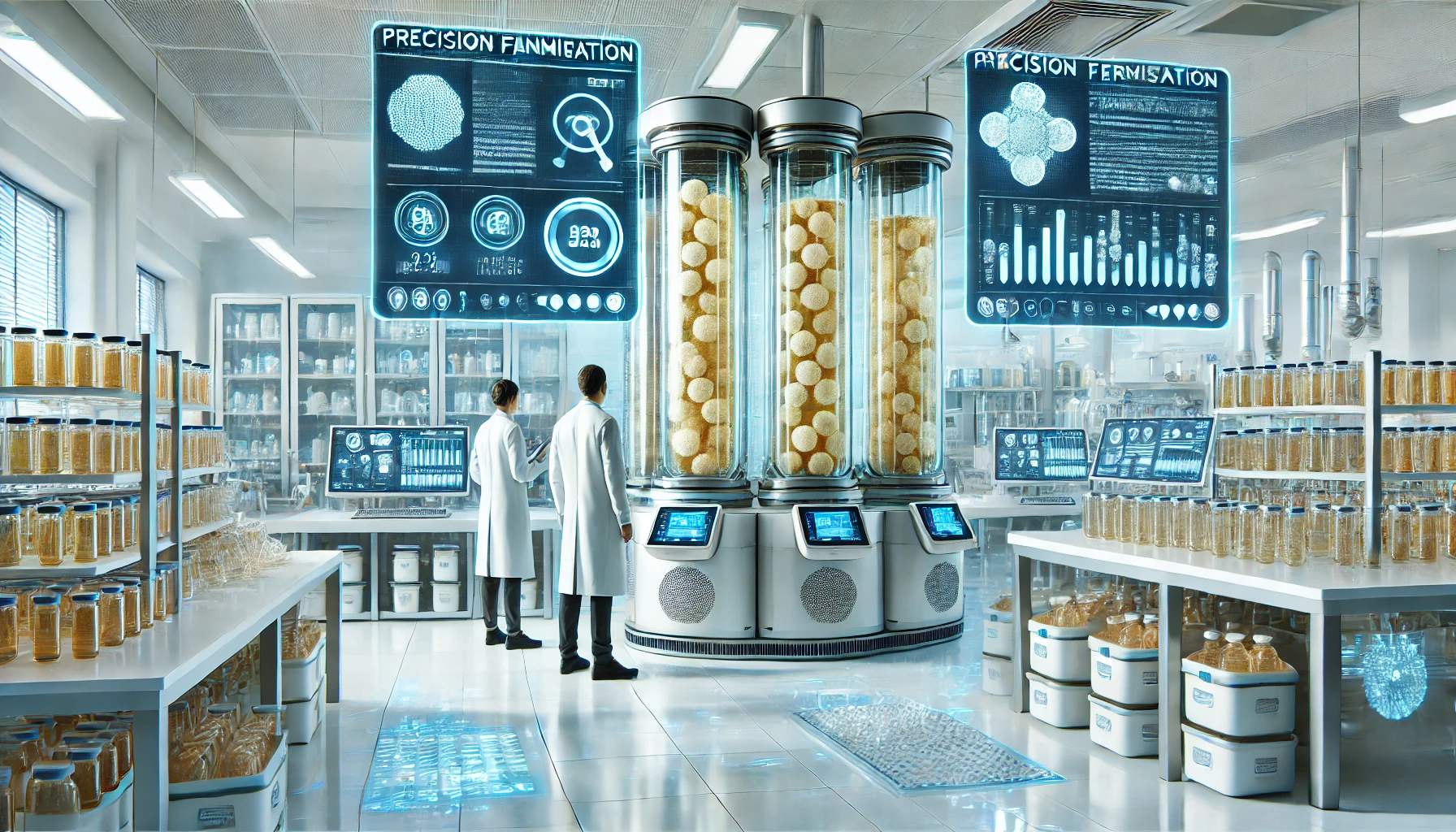
Once an engineered “cell factory” is created, it is cultivated in a controlled environment called a bioreactor, which resembles large-scale stainless-steel brewing tanks . The microbes are fed a nutrient-rich broth, typically composed of sugars and other carbon sources . Under carefully optimized conditions including precise temperature, pH, and oxygen levels the microorganisms rapidly multiply and begin to excrete or accumulate the target ingredient . This is akin to “brewing” a specific molecule, much like beer is brewed to produce alcohol.
C. Downstream Processing and Purification
After the fermentation cycle is complete, the resulting mixture contains the microbes, the target molecule, and the nutrient broth. The target molecule is then separated and purified through a series of downstream processing steps . This critical stage involves isolating the ingredient from the rest of the broth to achieve high purity and concentration . The result is a pure, high-quality ingredient ready to be used by food manufacturers.
D. Formulation and Application
The final ingredient, which is bio-identical to its animal-derived or plant-derived counterpart, can then be formulated into a wide array of food products . This includes dairy proteins for animal-free cheese, yogurt, and ice cream; egg proteins for baked goods; structural proteins for meat alternatives; and even fats, flavors, and sweeteners .
From Lab to Table: Real-World Applications
The potential applications of precision fermentation are vast and already being realized across the food industry. The technology is not just a theoretical concept but is currently used to produce a growing number of commercial products . The following examples illustrate its reach:
1. Animal-Free Dairy and Eggs: This is one of the most prominent areas of application. Companies are using precision fermentation to produce dairy-identical proteins like casein (milk protein) and β-lactoglobulin (whey protein) . These proteins are molecularly identical to those from cows but are created without a single animal. This allows for the production of cheese, ice cream, and milk alternatives that boast the same taste, texture, and nutritional profile as traditional dairy products . Similarly, egg white protein (ovalbumin) is being produced without chickens, offering a sustainable, allergen-free alternative for baking and other culinary applications .
2. Meat Alternatives: Beyond replacing milk and eggs, PF plays a crucial role in enhancing plant-based meat. For instance, heme, the iron-containing molecule that gives meat its characteristic flavor and color, can be produced via precision fermentation. This ingredient provides a more authentic meaty experience for plant-based burgers and other products .
3. Functional and Bioactive Ingredients: Precision fermentation unlocks the ability to produce high-value compounds that are difficult to obtain otherwise. This includes rare and specific proteins like lactoferrin, an important component of infant formula with health-boosting properties . Companies are also producing animal-free collagen and gelatin for use in supplements and food products .
4. Food Protection and Flavor: The technology is used to create ingredients that improve food quality and safety. For example, antimicrobial peptides like Nisin are manufactured at scale via PF for use as natural preservatives . Furthermore, PF can produce a wide variety of flavor molecules, vitamins, and pigments, such as vanillin (vanilla flavor), stevia (sweetener), and omega-3 fatty acids . A recent and compelling example is the production of cocoa flavor molecules without the cocoa bean, offering a more sustainable and consistent source of chocolate flavor .
A Legacy of Safety and Success
It is important to recognize that precision fermentation is not an untested, risky technology. It has been used safely in the pharmaceutical and food industries for decades .
A. The Insulin Revolution: A landmark example is the production of human insulin. Before 1982, insulin for treating diabetes was extracted from the pancreases of pigs and cows, a process that was inefficient, costly, and fraught with purity and supply issues . The advent of recombinant DNA technology allowed scientists to insert the human insulin gene into E. coli. This ushered in the era of precision fermentation and made life-saving insulin more pure and abundant. By the year 2000, 99% of all insulin was produced using this method .
B. Rennet in Cheesemaking: Another powerful example is the production of chymosin, the key enzyme used to coagulate milk in cheesemaking. Traditionally, rennet was sourced from the stomach linings of slaughtered calves . In the 1990s, a rennet-producing gene was inserted into microorganisms, which began producing chymosin identical to that of the calf. This eliminated the need to use animal rennet, improving animal welfare, supply chain reliability, and product purity. Today, over 80% of the rennet used worldwide is produced via precision fermentation .
These long-standing and successful applications demonstrate that PF-derived ingredients are widely consumed and have a proven track record of safety, making them a reliable basis for the future of food.
The Unmatched Benefits: A Paradigm Shift
The benefits of shifting from traditional agriculture to precision fermentation for certain ingredients are profound, touching on environmental, ethical, and nutritional aspects .
1. A Huge Leap in Environmental Sustainability: The most significant advantage of PF is its potential to drastically reduce the environmental footprint of food production . Conventional animal agriculture is a resource-intensive process that drives climate change, deforestation, and water scarcity .
-
Reduced Land and Water Use: Fermenting ingredients in bioreactors requires a fraction of the land and water needed for livestock farming or even growing certain crops . Production can theoretically be carried out anywhere, decoupling food production from geography and agricultural limitations .
-
Lower Greenhouse Gas Emissions: Studies have modeled the potential for PF to reduce greenhouse gas emissions by up to 76% compared to conventional methods . This is a critical step in mitigating the food system’s impact on climate change.
-
Drastically Lower Impact: It eliminates the need for antibiotics in animal feed, reduces antibiotic resistance, and prevents animal waste runoff that pollutes waterways .
2. Enhanced Food Security and Supply Chain Resilience: PF can create a more resilient food system by reducing the food supply chain’s vulnerability to climate change, disease outbreaks, geopolitical instability, and resource shortages . Since it is an industrial process, it can produce ingredients consistently and reliably, unaffected by weather patterns or crop failures. Furthermore, it can valorize agricultural and food waste by using it as a nutrient feedstock for fermentation, creating a circular bioeconomy .
3. Meeting Consumer Demand and Improving Nutrition: Consumers are increasingly seeking plant-based, allergen-free, and ethically produced foods. PF can meet this demand by producing ingredients with high purity and controlled composition . It can also create personalized nutrition solutions by designing food ingredients tailored to specific dietary needs and preferences . The technology also improves food safety by reducing the risk of zoonotic diseases and food-borne illnesses associated with intensive livestock production .
Navigating the Challenges: Pathways to Widespread Adoption
Despite its immense promise, precision fermentation is not without its challenges. Scaling up from a lab concept to an industrial reality presents several hurdles that require diligent work to overcome .
A. Technological and Scale-Up Bottlenecks
-
Bioprocess Complexity: Scaling to large, commercial-scale bioreactors (over 100,000 liters) is a complex engineering challenge. It requires maintaining precise control over factors like oxygen transfer, mixing, temperature, and pH—conditions that are far easier to control at a smaller scale .
-
Downstream Processing: Separating and purifying the target ingredient from the fermentation broth is a critical and often costly stage. For many products, downstream processing accounts for a significant portion of the total production cost and is a major bottleneck for efficiency .
-
Product Yield: Many PF processes currently have low product yields (titre). For the technology to be economically viable for staple ingredients, researchers are working to improve the productivity of microbial strains . The Design-Build-Test-Learn (DBTL) cycle in synthetic biology is a key framework for systematically achieving this .
B. Economic Viability
-
High Capital and Operational Costs: Building and running industrial fermentation facilities requires massive investment . The cost of energy, feedstocks (often refined sugars), and equipment can be significant, impacting the final price of products. Combining Techno-Economic Assessment (TEA) and Life Cycle Assessment (LCA) early in development is crucial for identifying cost and sustainability hotspots and guiding investment .
-
Feedstock Dependency: The sustainability of PF depends heavily on the source of energy and feedstock used. Using renewable energy and sustainable feedstocks, such as agricultural byproducts or even captured carbon dioxide, is essential to maximize environmental benefits .
C. Regulatory and Consumer Acceptance
-
A Fragmented Regulatory Landscape: The regulatory framework for PF-derived foods is still evolving and varies significantly across different countries . This can be a major barrier to market entry. Organizations like the FAO and national food safety agencies are working to build frameworks to ensure safety .
-
Consumer Trust and Education: Despite the technology’s safety record, consumer acceptance remains a key challenge. Clear, transparent communication and education are needed to help the public understand what precision fermentation is, why it is safe, and the benefits it offers .
D. The Promise of AI and Automation
To navigate these challenges, the industry is increasingly turning to cutting-edge digital solutions. The integration of Computer-Aided Engineering (CAE), Artificial Intelligence (AI), and automation is revolutionizing PF, moving the field from an empirical “trial-and-error” approach to a predictive, data-driven science . AI can assist in designing superior microbial strains, predicting the outcome of genetic modifications, and optimizing fermentation parameters to maximize yield. Automation enables rapid prototyping, allowing scientists to test hundreds of strain modifications in a fraction of the time it used to take, accelerating the pace of innovation .
Conclusion
Precision fermentation represents a paradigm shift in food production, offering a powerful and viable path toward a more sustainable, secure, and ethical food system. By harnessing the power of engineered microorganisms, we can produce the ingredients we need from milk and egg proteins to vital nutrients and flavors without the vast environmental and ethical costs of traditional agriculture. While challenges related to scale, cost, and regulation remain, the foundational technology is proven, its benefits are substantial, and the momentum for its adoption is rapidly building . As bioprocess engineering, AI, and synthetic biology continue to advance, precision fermentation is poised to move from a promising frontier to a mainstream method for feeding the world. It is not a complete replacement for all food production, but it is an essential and transformative tool for creating a resilient and delicious future of food.