

The landscape of modern medicine is undergoing a profound transformation, driven by the relentless pursuit of more effective, targeted, and safer therapeutic strategies. At the heart of this revolution lies a remarkable biological entity: the exosome. These minute, naturally occurring nanoparticles are redefining the boundaries of drug delivery, offering an unprecedented opportunity to overcome long-standing clinical challenges that have plagued traditional pharmacology . From crossing the formidable blood-brain barrier to delivering potent chemotherapeutics directly to tumors, exosomes represent a paradigm shift in how we approach the treatment of complex diseases.
Understanding the Fundamentals of Exosomes
Exosomes are a subtype of extracellular vesicles (EVs) characterized by their nanoscale dimensions, typically ranging from 30 to 150 nanometers in diameter . They are secreted by virtually all cell types, including hematopoietic cells like B and T lymphocytes, and non-hematopoietic cells such as epithelial cells, adipocytes, fibroblasts, and neurons . The biological journey of an exosome begins within the endosomal compartment of a cell. Through a process of inward budding of the endosomal membrane, intraluminal vesicles (ILVs) are formed within multivesicular bodies (MVBs) . When these MVBs fuse with the plasma membrane, the ILVs are released into the extracellular environment as exosomes, carrying a complex cargo of bioactive molecules. These molecules include proteins, lipids, and nucleic acids such as messenger RNA (mRNA), microRNA (miRNA), and long non-coding RNAs . This intricate cargo is not merely a reflection of the parent cell’s state but a sophisticated messenger system that facilitates intercellular communication, influencing gene expression and cellular function in recipient cells .
The Intrinsic Advantages of Exosomes as Drug Delivery Vehicles
The scientific community’s intense interest in exosomes is not without merit. These natural nanocarriers possess a suite of properties that make them exceptionally well-suited for therapeutic applications, surpassing many synthetic delivery systems.
A. Unparalleled Biocompatibility and Low Immunogenicity:
Synthetic nanoparticles often trigger adverse immune responses, limiting their clinical utility. Exosomes, conversely, are intrinsically biocompatible due to their endogenous origin. This significantly reduces the risk of immune rejection and allows for prolonged circulation time in the bloodstream . For instance, studies have shown that exosomes derived from sources like bovine milk are well-tolerated, highlighting their potential for scalable and safe therapeutic use .
B. Innate Ability to Traverse Biological Barriers:
One of the most significant hurdles in drug delivery is overcoming biological barriers like the blood-brain barrier (BBB), which effectively excludes over 98% of small-molecule drugs from the brain. Exosomes have demonstrated a remarkable, natural capacity to cross the BBB, making them a “holy grail” for treating central nervous system (CNS) disorders such as Alzheimer’s disease, Parkinson’s disease, and brain tumors . They achieve this through receptor-mediated transcytosis, a sophisticated mechanism that allows them to be shuttled across the endothelial cells lining the brain’s vasculature without disrupting the barrier’s integrity .
C. Targeted Delivery Capabilities:
Exosomes can inherently target specific cells or tissues, a property largely dictated by their parent cell’s tropism. Furthermore, this targeting can be dramatically enhanced through engineering strategies. By modifying the surface of exosomes with specific ligands, antibodies, or peptides, researchers can direct them to precise locations within the body. For example, exosomes engineered with the rabies virus glycoprotein (RVG) peptide have been shown to deliver therapeutic siRNA specifically to neurons in the brain, demonstrating exceptional precision .
D. Protection of Therapeutic Cargo:
The lipid bilayer membrane of exosomes acts as a protective shield, safeguarding their therapeutic payload from enzymatic degradation and premature clearance from the circulation. This ensures that a higher concentration of the drug reaches the target site, improving bioavailability and therapeutic efficacy .
E. Versatility in Cargo Loading:
Exosomes are versatile carriers capable of transporting a diverse range of therapeutic agents. They can be loaded with small molecules (e.g., chemotherapeutics like doxorubicin and gabapentin), proteins, nucleic acids (siRNA, miRNA, mRNA), and even genome-editing tools like CRISPR-Cas9 . This versatility opens up avenues for treating diseases previously considered undruggable.
Breakthroughs in Exosome-Based Drug Delivery
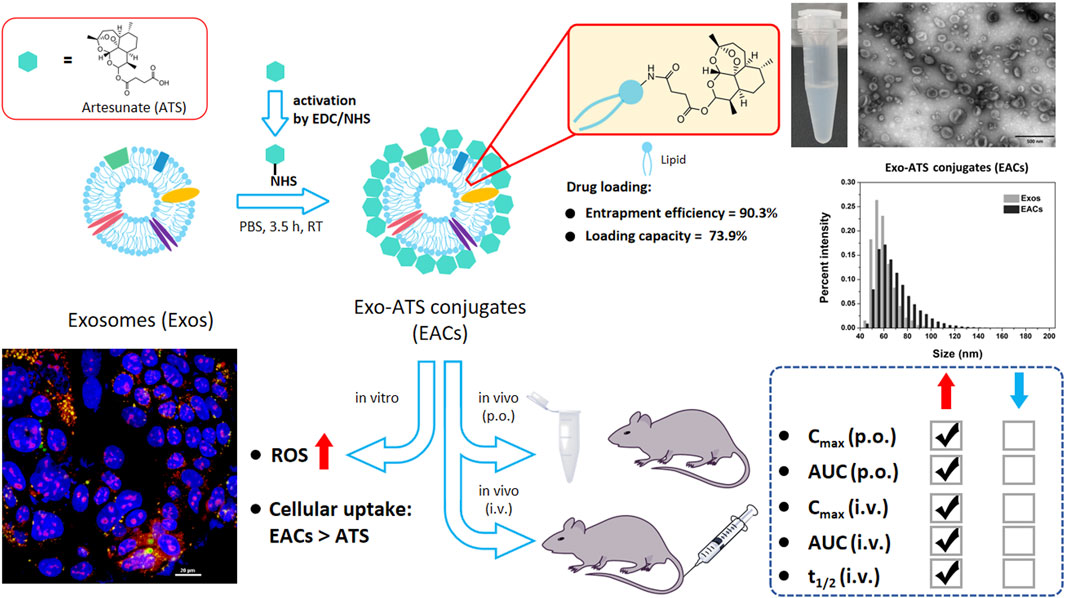
Recent preclinical and clinical research has demonstrated the transformative potential of exosome-based therapies across a spectrum of debilitating diseases.
Revolutionizing Neuropathic Pain Management: Milk-Derived Exosomes
Neuropathic pain remains a profound clinical challenge, with current oral treatments like gabapentin (GBP) limited by poor bioavailability and significant systemic side effects . A groundbreaking study has developed a novel topical delivery system using bovine milk-derived exosomes to overcome these limitations . Researchers optimized the exosomes to encapsulate GBP, achieving a remarkable entrapment efficiency of 90.2% and a particle size of 66.24 nm . The optimized formulation was incorporated into a Carbopol 934 hydrogel for topical application.
The results of this study were compelling. Using a Box-Behnken design for optimization, the exosome-loaded gel demonstrated superior transdermal capability. In ex vivo permeation studies, the exosomal gel achieved approximately 96% drug diffusion, compared to only 82.5% for a conventional GBP gel . This enhanced penetration is attributed to the nanoscale size and lipid bilayer of the exosomes, which facilitate efficient interaction with the stratum corneum and overcome the skin’s passive diffusion barrier . More importantly, in a sciatic nerve ligation rat model of neuropathic pain, the exosomal gel elicited profound therapeutic effects, significantly attenuating cold allodynia and thermal hypergesia . Histological analysis confirmed the absence of dermal irritation and even demonstrated notable tissue restoration . This research establishes milk-derived exosomal gels as a scalable and transformative alternative to oral neuropathic pain medications.
Engineering Precision Therapies for Cancer: Detoxified Tumor Exosomes
Cancer treatment is plagued by the systemic toxicity of chemotherapeutics and the development of drug resistance. A pioneering study has introduced a novel “detoxified” exosome platform to address these challenges . Researchers recognized that while tumor-derived exosomes possess an inherent homing ability to their tissue of origin, they also carry oncogenic proteins and nucleic acids that could promote tumor progression. To overcome this, they developed a method to enzymatically remove or inactivate the oncogenic and immunogenic cargo from prostate cancer cell-derived exosomes, creating Detox-EXOs . This process preserves the membrane’s targeting ligands, effectively creating a safe, tumor-homing “shell” for chemotherapeutics.
This concept was tested by loading the detoxified exosomes with doxorubicin (DOX@EXOs) and embedding them within an injectable hydrogel composed of chitosan and decellularized prostate extracellular matrix (CS–dpECM) . The hydrogel depot, designed for localized and sustained chemotherapy, demonstrated sustained DOX release over 14 days (approximately 80% cumulative release) . In vitro studies on AT-3 prostate cancer cells confirmed efficient intracellular DOX uptake mediated by the exosomes, leading to pronounced apoptosis (approximately 77% of cells were Annexin-positive) and significant downregulation of cell proliferation markers Ki-67 and Cyclin D1 . This innovative approach represents a significant step forward in achieving localized, sustained, and targeted cancer therapy while mitigating systemic toxicity and the risks associated with using native tumor-derived exosomes.
Unlocking the Brain: Exosomes for Alzheimer’s and Neurodegenerative Diseases
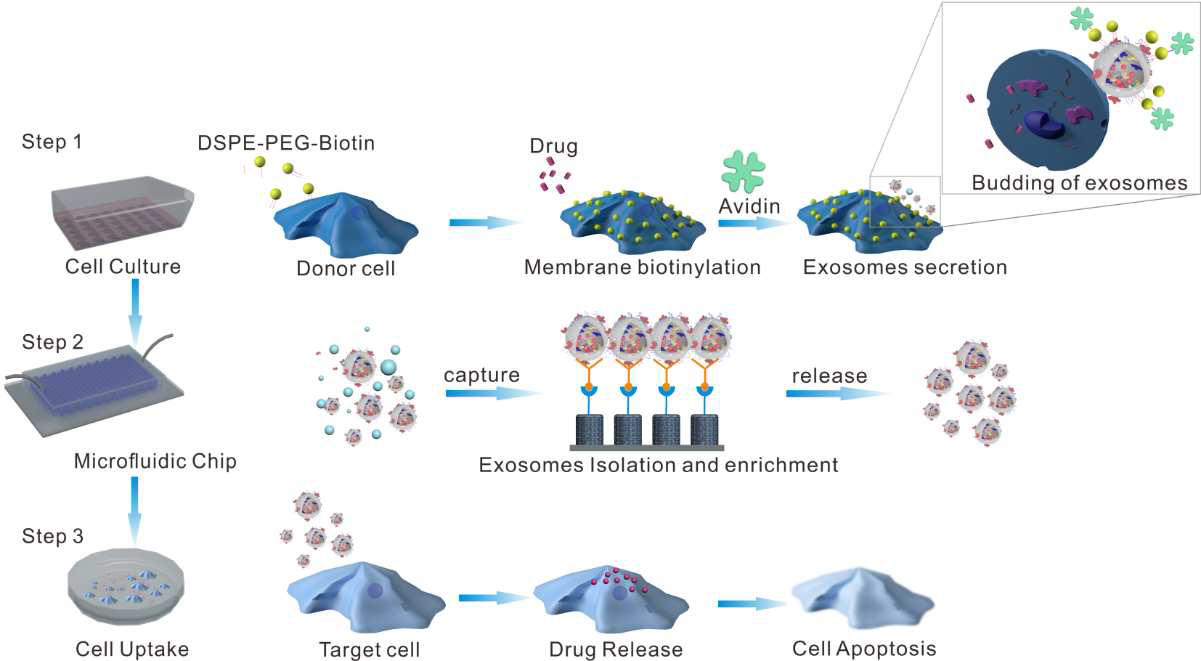
Exosomes are at the forefront of developing therapies for devastating CNS disorders. Their ability to cross the BBB is being harnessed in clinical trials for conditions like Alzheimer’s disease. One such Phase 1 clinical trial is investigating the safety and preliminary efficacy of exosomes derived from umbilical cord mesenchymal stem cells (CB-Exo-A600) in patients with mild to moderate Alzheimer’s disease . The study utilizes an innovative intranasal delivery method, which provides a non-invasive route for the exosomes to reach the brain . This approach is a testament to the growing confidence in exosome-based therapeutics. Preclinical studies have also explored the use of exosomes loaded with anti-inflammatory agents like curcumin to treat brain inflammation . Additionally, the therapeutic potential of exosomes extends to diabetic erectile dysfunction (ED), with a clinical trial underway to evaluate the safety and efficacy of intracavernosal injections of mesenchymal stem cell-derived exosomes in patients who are unresponsive to standard PDE-5 inhibitor therapy . This trial highlights the broader regenerative potential of exosomes in non-CNS applications.
Engineering Strategies to Enhance Exosome Therapeutics
While native exosomes possess inherent therapeutic advantages, engineering strategies are essential to fully unlock their clinical potential. These strategies are broadly categorized into pre-production and post-production modifications .
Pre-Production Modifications:
This involves modifying the donor cells before exosome isolation. For instance, mesenchymal stem cells can be subjected to hypoxic preconditioning, chemical stimulation, or biophysical stimulation. These conditions can enhance the quantity and biological activity of the secreted exosomes, enriching them with specific therapeutic factors .
Post-Production Modifications:
Once exosomes are isolated, they can be engineered to enhance their properties.
-
Surface Functionalization: Exosomes can be conjugated with targeting ligands, such as antibodies or peptides, to improve their specificity and delivery to diseased tissues .
-
Cargo Loading: Therapeutic agents can be loaded into isolated exosomes using various techniques, including electroporation, sonication, or incubation. This allows precise control over the drug payload . For example, researchers have successfully loaded gabapentin into milk-derived exosomes and doxorubicin into detoxified tumor exosomes using these techniques .
Key Challenges and Future Directions
Despite the immense promise, the clinical translation of exosome-based therapies faces several significant hurdles that require focused research and innovation.
A. Scalable and Standardized Production:
One of the most critical barriers is developing robust, scalable, and reproducible methods for exosome isolation and purification. Traditional methods like ultracentrifugation are time-consuming, have low yield, and are difficult to standardize for clinical-grade manufacturing. There is a pressing need for novel isolation technologies, such as the EXODUS system and microfluidic chips, which have shown advantages in enhancing extraction efficiency and purity . Establishing industry-wide standards for production and quality control is paramount .
B. Heterogeneity and Quality Control:
Exosome populations are inherently heterogeneous, varying in size, cargo, and membrane markers. This heterogeneity can lead to batch-to-batch variability in therapeutic efficacy. Advanced characterization methods, including Nanoparticle Tracking Analysis (NTA), Transmission Electron Microscopy (TEM), and flow cytometry, are essential for quality control, but there is a lack of unified protocols . Reliable characterization techniques, such as Western blotting for tetraspanins (CD9, CD63, CD81) and other markers like Alix and TSG101, are used to confirm exosome identity, but a combination of methods is needed for accurate diagnostic reliability .
C. Regulatory Framework:
The regulatory landscape for exosome-based therapeutics is still evolving. There is a need for clear and specific guidelines from regulatory bodies like the FDA to govern the development, manufacturing, and clinical evaluation of these novel therapies. This includes defining critical quality attributes and ensuring safety and efficacy.
D. Safety Considerations:
While exosomes are generally considered safe, a thorough understanding of their potential long-term effects is required. The use of tumor-derived exosomes, even after detoxification, necessitates rigorous safety testing to rule out any residual oncogenic or immunogenic risk .
E. Future Outlook and AI Integration:
The future of exosome-based drug delivery is bright, with several emerging trends poised to accelerate its clinical adoption.
-
Multifunctional Engineering: The creation of “designer” exosomes engineered to perform multiple functions simultaneously, such as targeting, imaging, and delivering a combined therapeutic payload.
-
Integration of Artificial Intelligence (AI): AI-driven algorithms are being developed to optimize exosome engineering strategies, predict loading efficiency, and personalize drug delivery regimens . AI can help sift through the vast complexity of exosomal cargo and design optimized therapies for individual patients.
Conclusion
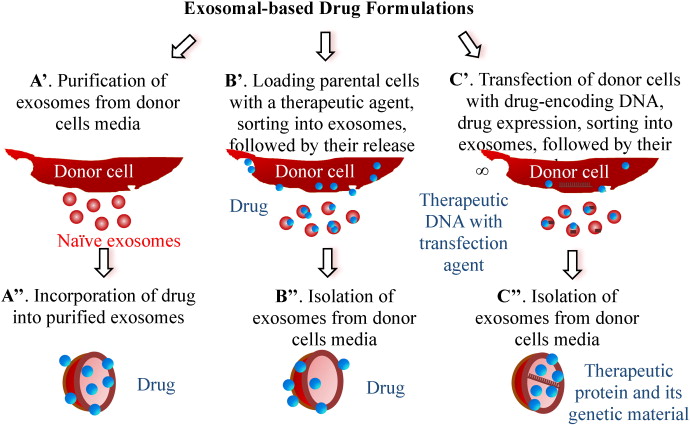
Exosome drug delivery represents a revolutionary breakthrough in nanomedicine. By harnessing the natural properties of these biological nanocarriers, researchers are developing therapies that are more targeted, safer, and more effective than conventional treatments. From delivering potent analgesics through the skin and transporting chemotherapeutics directly to tumors to breaching the blood-brain barrier for neurodegenerative diseases, exosomes are poised to redefine the therapeutic landscape. While challenges remain in scaling production and navigating the regulatory environment, the convergence of advanced bioengineering, nanotechnology, and artificial intelligence promises to overcome these hurdles. As we unlock the full potential of exosomes, we stand on the cusp of a new era in precision medicine, offering hope for patients battling some of the most challenging diseases of our time.