
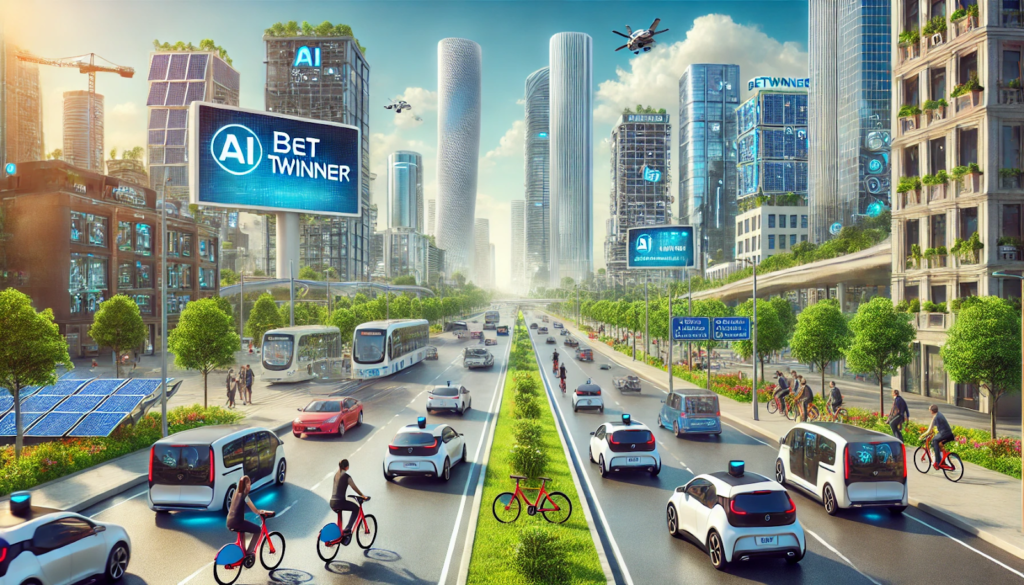
Urban development is witnessing a remarkable transformation as technology increasingly integrates into the fabric of city life. A new generation of artificial intelligence is moving beyond pilot projects and into everyday urban governance, fundamentally reshaping how cities function and how people live within them. The recent launch of an AI-native urban intelligence platform, as seen in projects like i-City’s collaboration with Mesiniaga Berhad in Malaysia, marks a significant milestone in this evolution . This is not merely another smart city initiative but a foundational shift toward creating unified, responsive, and adaptive urban ecosystems.
For decades, the concept of smart cities has been defined by siloed technologies, where separate systems for access, security, automation, and wellness operated independently. The result was often a fragmented experience for residents and a logistical nightmare for city managers . The new urban intelligence platform aims to solve this fundamental challenge by acting as the central nervous system for the entire urban environment. It is designed to coordinate robotics, wellness systems, building management, security, mobility, and future AI services into a single, cohesive ecosystem that operates in real time . This platform architecture is built around a proprietary intelligence layer that coordinates multiple systems seamlessly, allowing residents to enjoy an adaptive, intuitive, and integrated environment rather than confronting fragmented technologies and applications .
The architecture is structured around three integrated layers: UrbanOS Edge for local low-latency computing decisions, a SuperApp interface for the resident, and the urban intelligence platform itself, which is the orchestration engine . This layered approach ensures that technology works invisibly in the background to enhance daily living, from autonomous robots navigating buildings with coordinated lift and access permissions to wellness systems automatically triggering emergency response protocols . This represents a fundamental change in the evolution of future residential environments, transitioning from a “collection of devices” to an “intelligent living ecosystem” .
This development aligns with a global trend where governments and private enterprises are investing heavily in AI-powered urban management. In Singapore, the Urban Redevelopment Authority (URA) has launched ePlanner, an AI-powered, cloud-enabled 3D geospatial platform developed in-house to support more collaborative and data-driven planning across agencies . This platform allows planners to visualize the city in 3D, run analytics, and simulate different development scenarios, marking a significant upgrade from physical models and digital maps . The ePlanner was recently recognized with the Geospatial World Excellence Award 2026, highlighting its impact on the industry .
Similarly, the URA has unveiled a series of AI tools under its “AI for Cities” exhibition, which includes a Mobile AI Detection system for detecting unsafe parking behaviors and a DC Assistant, a Large Language Model chatbot designed to help stakeholders navigate development control guidelines . These initiatives demonstrate the multifaceted application of AI in urban planning and management, from predictive maintenance to real-time monitoring and public service delivery . In Shanghai, the “Unified Management with One Network” platform integrates transportation, infrastructure, emergency response, and public services, showcasing the potential of big data and AI to build vast, interconnected urban systems . These examples highlight a clear shift from reactive city management to proactive, data-driven governance.
Global Trends in AI-Driven Urban Innovation

The rise of AI-native urban intelligence platforms is not an isolated phenomenon. Cities across the globe are exploring similar solutions to tackle challenges such as climate change, traffic congestion, and resource management. For instance, a U.S.-based company, ENVITRACE LLC, is developing UrbanAI, a cloud-based software that collects, analyzes, and forecasts urban energy consumption and environmental data in near real-time . This platform aims to help cities reduce emissions by identifying inefficiencies and optimizing renewable energy deployment, effectively acting as a city’s nervous system for energy and environmental data .
Another example is Urban-Air Port’s VBM-AI platform, which is designed to transform the planning and simulation of Advanced Air Mobility (AAM) infrastructure . This proprietary AI tool leverages data-driven modeling to forecast passenger volumes, analyze site intelligence, and optimize vertiport networks, reducing the time and costs associated with building infrastructure for urban air mobility . In Taiwan, the CityAI platform integrates Large Language Models with a Multi-Agent System to help the public explore urban issues through natural language, democratizing access to city knowledge and empowering more inclusive decision-making . These diverse applications show that the concept of an urban intelligence platform is broad, covering energy, mobility, public engagement, and living environments.
The ASEAN region is also actively embracing this digital transformation. At the ASEAN City Leaders Conference in Hà Nội, mayors and city leaders shared their experiences in scaling citizen-centric governance and integrating AI into smart city development . Hà Nội is studying the development of a digital twin of the city, which would allow major policy decisions and urban projects to be simulated before implementation . This is a powerful example of how AI can improve urban planning by providing a safe space to test scenarios and assess impacts. The city is also deploying data and AI to optimize traffic flows and manage environmental conditions, demonstrating a practical approach to improving quality of life .
Meanwhile, Siem Reap is developing a smart waste collection system with sensor-based bins and a digital citizen ecosystem for direct government interaction, reinforcing the principle that technology should improve people’s lives . This shift from a government that manages to a government that serves, where citizen satisfaction is a key performance indicator, is a recurring theme in modern urban governance. These efforts are complemented by a focus on inclusion, with cities working to ensure digital services reach older people, low-income groups, and those not yet familiar with technology .
Why This Matters for the Future of Cities
The launch of AI urban intelligence platforms has profound implications for how cities will be built and experienced in the coming decades. As the world urbanizes and climate impacts accelerate, the need for efficient, resilient, and sustainable cities has never been greater. Cities produce approximately 75% of the world’s carbon emissions while covering less than 2% of Earth’s surface, making them a critical focus for climate action . By using AI to optimize energy consumption, reduce waste, and improve infrastructure, these platforms can directly contribute to climate change mitigation.
Furthermore, these platforms are designed with a focus on environmental justice, ensuring that the benefits of technology are distributed equitably. The UrbanAI project, for example, is designed to highlight which low-income neighborhoods have poor air quality or limited access to green energy, helping governments target resources more effectively . This is a crucial step in ensuring that the future of cities is not only smart but also inclusive. The collaborative, vendor-agnostic architecture of many of these platforms ensures that the ecosystem can evolve continuously as AI and robotics technologies advance over the next decades, without requiring major infrastructure redesigns . This future-proofing is essential for long-term sustainability.
However, the advancement of AI in urban governance also brings challenges. Experts warn that a focus on technology alone can lead to pitfalls, with inclusion, trust, and security being the determining factors in whether cities truly benefit . There is a risk that technology can become a tool for control rather than empowerment, and it is essential to keep human rights and equity at the heart of digital transformation . As cities become more connected, they also become more vulnerable to cyberattacks, which must be built into urban development “from the foundation stage” . The most successful smart cities will be those that balance technological innovation with a people-centered approach, where AI is a tool to enhance well-being and daily life.
Key Benefits of an AI Urban Intelligence Platform
To summarize, the implementation of a unified AI urban intelligence platform offers a wide range of benefits. These platforms are designed not just to manage infrastructure but to create a more responsive, efficient, and livable environment. The following points outline the key advantages of these integrated systems for various stakeholders:
A. For Residents: An enhanced living experience is the primary goal. This is achieved through adaptive environments where buildings adjust energy, lighting, and ventilation based on occupancy and behavior patterns, leading to greater comfort and energy savings. Safety and security are significantly improved through coordinated robotics and predictive security systems that can identify risks before incidents occur . The seamless integration of services means residents no longer need to manage multiple applications for access control, deliveries, wellness, and security, simplifying daily life .
B. For City Planners and Governments: The platform enables more data-driven and collaborative planning, as seen with Singapore’s ePlanner, which supports a 3D city model for analytics and simulation . This leads to better-informed decisions and more effective land-use planning. The ability to run simulations, such as those for digital twins, allows for thorough impact assessments before major policy decisions are made . Additionally, AI tools can automate routine tasks, like detecting unsafe parking or managing traffic flow, which increases efficiency and reduces manual oversight .
C. For Energy Management and Sustainability: These platforms are instrumental in helping cities transition to greener energy sources by identifying inefficiencies and enabling faster deployment of renewable energy projects . By collecting and analyzing data from building sensors, weather stations, and satellite images, they can provide actionable insights to reduce energy waste and lower carbon emissions . This not only contributes to global climate goals but also helps cities save millions on utility bills .
D. For Economic Development and Innovation: The development and implementation of these platforms create new jobs in the AI, robotics, and energy efficiency sectors . A vendor-agnostic architecture ensures that the ecosystem is open to new technologies, fostering innovation and allowing tech companies to integrate their solutions seamlessly . This creates a vibrant market for urban technology and encourages continuous improvement and adaptation to new challenges.
E. For Security and Maintenance: Predictive maintenance systems can forecast estate faults before they occur, reducing downtime and repair costs . Furthermore, a unified platform allows for a more robust approach to cybersecurity, enabling comprehensive monitoring and protection against cyberattacks across all integrated systems . This proactive stance is essential for protecting critical infrastructure and ensuring the safe operation of smart city technologies.
Considerations for the Future
As these AI-native urban intelligence platforms go live, several factors must be carefully considered to ensure their success and sustainability. The following are key challenges and considerations that need to be addressed:
A. Data Privacy and Security: With the immense amount of data collected by these systems, robust data protection measures are paramount. Residents must trust that their data is being used ethically and securely. Building cybersecurity into urbanization from the foundation stage is crucial, as a cyberattack on a city’s central nervous system could have catastrophic consequences .
B. Digital Inclusion: There is a risk of creating a “digital divide” where certain populations, such as the elderly, low-income groups, or those in informal settlements, are left behind . It is essential to create user-friendly, simple, and accessible pathways for everyone to benefit from digital transformation . This includes providing reliable internet access and digital literacy programs.
C. Technological Agnosticism: To future-proof the investment, platforms should adopt a vendor-agnostic architecture . This allows for new technologies, such as advanced robotics and next-generation AI, to be integrated as they emerge without the need for major infrastructure redesigns or being locked into a single provider.
D. Human-Centered Design: Technology should be a tool to empower people, not a tool for control . The ultimate success of any smart city initiative is measured by the well-being of its people, not by the sophistication of its systems . Human-in-the-loop designs, which allow for expert intervention and accountability in complex scenarios, can help ensure that AI systems serve the public good .
Conclusion
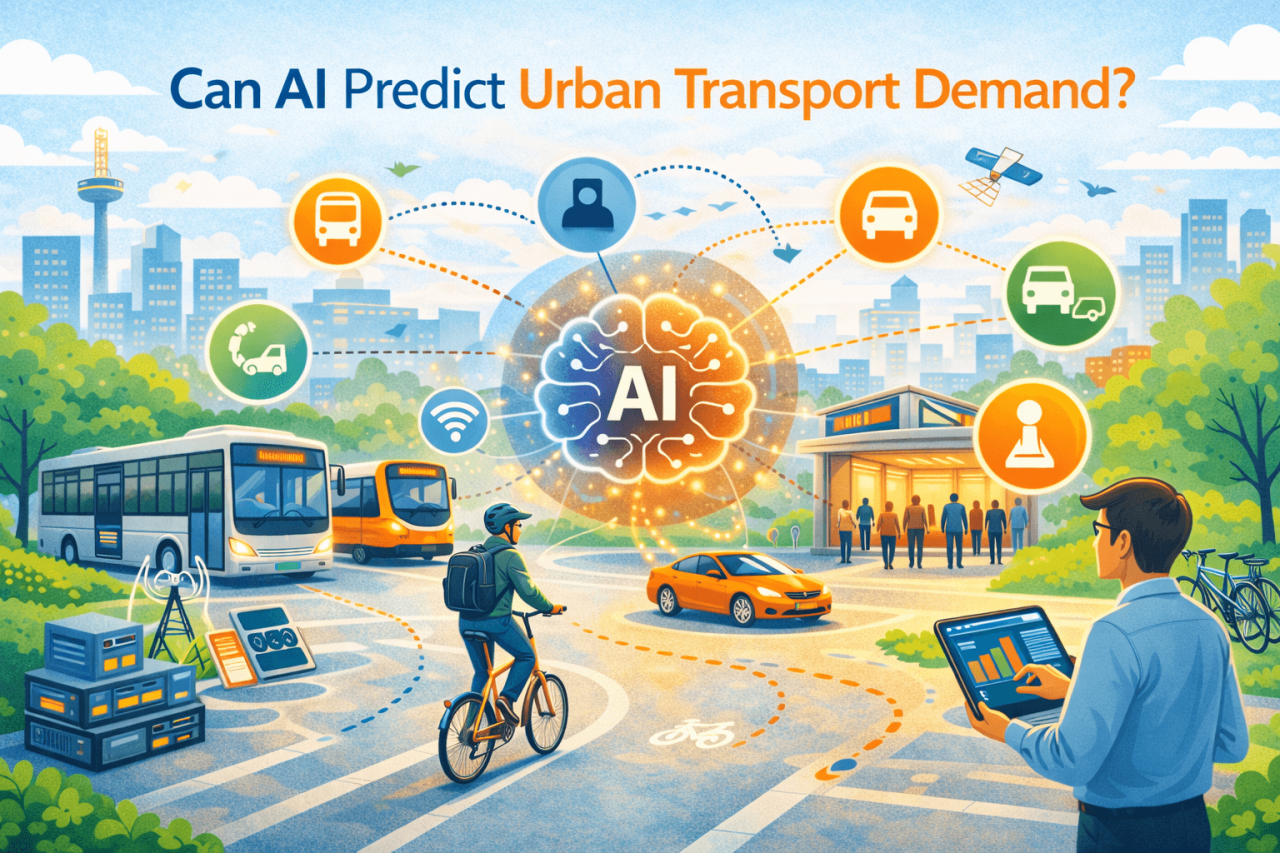
The launch of AI-native urban intelligence platforms is a watershed moment in the evolution of smart cities. By moving beyond fragmented systems to create unified, adaptive, and responsive ecosystems, these platforms promise to transform the way we live, work, and interact with our environment. Projects like the one initiated by i-City and Mesiniaga Berhad, along with initiatives in Singapore, Shanghai, and across ASEAN, demonstrate a global commitment to this vision .
While the potential benefits are immense from enhanced safety and sustainability to economic growth and improved quality of life the challenges of data privacy, digital inclusion, and a human-centered approach must be at the forefront of this transformation. The most successful cities of the future will not only be smart but also inclusive, resilient, and secure, serving the needs of all their residents. The launch of these platforms is just the beginning of a new era where our cities become living, intelligent entities capable of meeting the complex demands of the 21st century.