The rapid advancement of technology has transformed the way humans interact with their environment. From voice-activated assistants to touchscreen commands, the digital age has consistently sought to bridge the gap between human intent and machine execution. Recently, a groundbreaking innovation has entered the wearable technology arena: the Artificial Intelligence (AI) Ring. This compact, finger-worn gadget is not just another fitness tracker; it is a revolutionary tool that allows users to control various smart devices through simple gestures, voice commands, and even intuitive AI-powered predictions.
As we move deeper into the era of the Internet of Things (IoT), the demand for seamless, hands-free, and efficient control mechanisms has skyrocketed. The AI Ring emerges as a solution that minimizes friction, enhances accessibility, and offers a futuristic alternative to traditional remote controls and smartphones. This article will thoroughly explore the AI Ring, covering its technology, applications, benefits, challenges, and its potential to redefine human-device interaction.
Chapter 1: Understanding the AI Ring
The AI Ring is a miniature wearable computer that fits snugly on a user’s finger. Despite its small size, it is packed with an array of sophisticated sensors, processors, and communication modules that enable it to interpret human actions and transmit commands to connected devices. Unlike smartwatches that require screen interaction or voice assistants that need quiet environments, the AI Ring leverages a combination of motion detection, haptic feedback, and artificial intelligence to execute tasks.
A. Core Components of the AI Ring
The hardware architecture of an AI Ring is a marvel of modern engineering. It typically contains the following components:
-
Accelerometer and Gyroscope: These sensors detect the orientation and movement of the finger. They are responsible for recognizing gestures like swipes, taps, twists, and rotations.
-
Microprocessor: A low-power, high-efficiency chip processes raw data from sensors and runs lightweight AI models.
-
Bluetooth 5.0 or Wi-Fi Module: These connectivity options allow the ring to communicate with smartphones, smart home hubs, and directly with IoT devices.
-
Haptic Motor: This provides vibrational feedback to the user, confirming that a command has been received and executed.
-
Microphone and Speaker (Optional): Some advanced models include a tiny microphone for voice input and a speaker for audio feedback.
-
Battery and Charging Coil: A miniature lithium-polymer battery and an inductive charging coil provide power and recharging capabilities.
-
Infrared Sensor (IR): Certain versions of the AI Ring include an IR blaster, enabling it to control traditional appliances like TVs and AC units that do not have smart capabilities.
B. The Role of Artificial Intelligence
The “intelligence” of the AI Ring comes from machine learning algorithms that reside both on the device and in the cloud. On-device AI ensures low-latency responses, while cloud-based AI enhances the ring’s ability to learn user behavior patterns. For instance, if a user consistently dims the lights at 10 PM, the AI Ring will learn this habit and suggest or automatically execute the command. This predictive capability distinguishes the AI Ring from simple programmable remotes.
Chapter 2: How the AI Ring Controls Devices
The operation of the AI Ring is a seamless blend of hardware and software intelligence. The control process can be broken down into four distinct phases: Input, Interpretation, Transmission, and Execution.
A. Input Mechanisms
Users have multiple ways to issue commands to the AI Ring:
-
Gesture Control: The most prominent feature. Users can draw letters in the air, rotate their finger clockwise to increase volume, or flick their hand to switch between apps.
-
Voice Commands: For complex instructions, users can whisper a command to the ring’s built-in microphone. The ring then transmits the voice data to a virtual assistant like Google Assistant, Siri, or Alexa.
-
Touch Sensitivity: The ring’s outer shell often acts as a touchpad. A simple tap on the ring’s surface can answer a call, while a double-tap can pause music.
-
Pressure Sensitivity: Squeezing the ring or pressing it against the thumb can trigger specific emergency functions or launch a preferred app.
B. Interpretation Process
Once the ring captures the raw input, the internal processor works to decode it. For gestures, the accelerometer data is compared against a pre-trained library of motion patterns. AI algorithms also consider contextual data—such as the time of day or the user’s current location—to predict the likely intention behind a command. For example, a clockwise rotation in a living room might mean “increase TV volume,” whereas the same gesture in the kitchen might mean “increase oven temperature.”
C. Transmission Protocols
After interpreting the command, the AI Ring sends a signal to the target device. The transmission can occur via several pathways:
-
Direct Connection: The ring can connect directly to smart bulbs, locks, and thermostats via Bluetooth Low Energy (BLE).
-
Cloud Relay: For devices that are not within direct range, the command is sent to a cloud server via the user’s smartphone, which then relays the instruction to the target device.
-
IR Broadcasting: For non-smart devices, the ring can emit infrared signals to mimic traditional remote controls.
D. Execution and Feedback
Finally, the target device executes the command. Simultaneously, the AI Ring provides haptic feedback a short vibration confirming the action. If the execution fails (e.g., the device is offline), the ring will emit a distinct pattern of vibrations to alert the user.
Chapter 3: Expanding Horizons – Comprehensive Applications

The utility of the AI Ring extends far beyond simple volume control. It has the potential to revolutionize multiple sectors, including healthcare, automotive, gaming, and professional environments. Below is a detailed exploration of its applications:
A. Smart Home Management
The AI Ring excels in the smart home ecosystem. Users can:
-
Dim or brighten lights by rotating the ring.
-
Change thermostat settings by drawing numbers in the air.
-
Lock or unlock doors with a specific gesture (e.g., a double-tap).
-
Control multiple devices simultaneously with a “scene command.” For example, a gesture that signifies “Movie Night” can automatically turn off the lights, lower the blinds, and turn on the television.
B. Office and Professional Productivity
In a professional setting, the AI Ring can enhance productivity without disrupting workflow.
-
Presentation Control: Users can swipe left or right to change PowerPoint slides while maintaining eye contact with their audience.
-
Mute/Unmute: During virtual meetings, a simple tap on the ring can mute or unmute the microphone, preventing awkward fumbling for the mute button.
-
File Scrolling: Drawing a vertical line in the air can scroll through lengthy documents or web pages.
C. Automotive Integration
As vehicles become more connected, the AI Ring can act as a digital key and a control hub.
-
Vehicle Access: The ring can unlock car doors using NFC (Near Field Communication) or BLE.
-
Start Engine: A specific gesture, like a fist pump, can start the engine remotely.
-
In-Car Controls: Drivers can adjust the air conditioning, change radio stations, or answer calls without taking their hands off the steering wheel, thereby improving safety.
D. Healthcare and Accessibility
For individuals with mobility impairments, the AI Ring is a game-changer.
-
Emergency Alerts: A specific pattern of taps can send an SOS message to emergency contacts, sharing the user’s GPS location.
-
Environment Control: Bedridden patients can use subtle finger movements to adjust bed positions, call nurses, or control room lighting.
-
Health Monitoring: Advanced rings are incorporating heart rate monitors and SpO2 sensors, linking health data to medical alert systems.
E. Gaming and Augmented Reality (AR)
The gaming industry is also set to benefit from the AI Ring.
-
Gesture-Based Gaming: Players can cast spells, swing swords, or steer vehicles simply by moving their fingers. This offers a more immersive experience than traditional joysticks.
-
AR Navigation: In AR environments, users can point at virtual objects and “grab” them to inspect or manipulate them.
F. Retail and Contactless Payments
With an embedded NFC chip, the AI Ring can replace credit cards and smartphones for payments.
-
Tap-to-Pay: Users can simply hover their hand over a POS (Point of Sale) terminal to complete a transaction.
-
Membership Verification: The ring can store loyalty cards and automatically apply discounts when making purchases.
Chapter 4: The Technical Architecture – A Deep Dive
To appreciate the AI Ring’s capabilities, one must understand the intricate software and hardware integration that powers it.
A. Operating System and Firmware
Most AI Rings run on lightweight real-time operating systems (RTOS) designed for constrained devices. These systems ensure that tasks are prioritized correctly, ensuring immediate response to user inputs. The firmware is frequently updated over-the-air (OTA) to introduce new gesture libraries and security patches.
B. Machine Learning Models
The AI Ring employs two types of machine learning models:
-
Convolutional Neural Networks (CNNs) for Motion Recognition: These models process the time-series data from the accelerometer to classify gestures with high accuracy.
-
Reinforcement Learning for Personalization: The ring learns from the user’s actions and adapts its responses. If a user frequently corrects a gesture (e.g., re-tapping because the first tap didn’t register), the ring adjusts its sensitivity.
C. Energy Management
Battery life is a critical challenge for any wearable. The AI Ring addresses this through:
-
Low-Power Mode: The ring enters a deep sleep state when idle and wakes up instantly upon detection of movement.
-
Energy Harvesting: Some prototypes are experimenting with piezoelectric energy harvesting, where the kinetic energy from finger movements is converted into electrical energy to extend battery life.
D. Security Protocols
Given that the AI Ring controls sensitive systems like locks and banking apps, robust security is paramount.
-
Biometric Authentication: The ring uses the user’s unique finger movement patterns and heart rate (via built-in sensors) to create a biometric profile, preventing unauthorized use.
-
End-to-End Encryption: All commands transmitted from the ring are encrypted, making it difficult for hackers to intercept and replicate signals.
Chapter 5: Comparative Analysis – AI Ring vs. Traditional Controllers
To understand the value proposition of the AI Ring, it is essential to compare it with existing control technologies.
| Feature | AI Ring | Smartphone | Voice Assistant | Remote Control |
|---|---|---|---|---|
| Hands-Free Operation | Yes | No | Yes | No |
| Discreet Interaction | Yes | No | No | No |
| Contextual Awareness | High | Medium | Low | None |
| Portability | Extremely High | Medium | N/A | Low |
| Battery Life | Days | Hours | N/A | Weeks |
| Learning Curve | Moderate | Easy | Easy | Easy |
| Privacy Concerns | Low (on-device) | Medium | High | Low |
A. Advantages Over Smartphones
While smartphones are versatile, they require both hands and visual attention. The AI Ring eliminates this dependency, allowing users to interact with technology while their hands are occupied or in low-visibility conditions.
B. Advantages Over Voice Assistants
Voice assistants are useful but struggle in noisy environments. Additionally, they lack privacy, as conversations are often sent to the cloud for processing. The AI Ring’s gesture-based commands are silent and often processed locally, ensuring privacy.
C. Advantages Over Traditional Remotes
Traditional remotes are device-specific. A user needs multiple remotes for different devices. The AI Ring consolidates all controls into one universally compatible device.
Chapter 6: Challenges and Limitations
Despite its promise, the AI Ring is not without its challenges. It is important to address these hurdles to understand its current state and future potential.
A. Battery Constraints
The minute size of the ring severely limits battery capacity. Current models offer between 2 to 3 days of battery life on a single charge. Frequent charging may deter users.
B. Gesture Accuracy
While AI has improved gesture recognition, false positives still occur. A user might accidentally perform a gesture that triggers an unintended action. The industry must develop more sophisticated algorithms to filter out “noise” from accidental finger movements.
C. Compatibility Issues
The AI Ring relies heavily on IoT ecosystems. If a user’s devices are not compatible with the ring’s transmission protocols or cloud services, the utility is significantly reduced. Standardization across brands is a necessity.
D. Cost and Accessibility
High-end AI Rings with premium features can cost upwards of $200. This price point makes the technology less accessible to a broader audience.
E. Privacy and Data Security
Although the ring processes many commands locally, some data (e.g., health metrics) may be transmitted to the cloud. Users are rightfully concerned about who owns this data and how it is used.
F. Cultural and Social Adaptation
Wearing a ring that looks like a piece of jewelry is aesthetically pleasing. However, social acceptance of actively talking to or gesturing at a ring may take time. Some users may feel self-conscious performing hand gestures in public.
Chapter 7: Future Innovations and Roadmap
The AI Ring market is poised for exponential growth. Industry analysts predict that by 2030, AI Rings will be as common as smartwatches. The future roadmap includes several exciting innovations:
A. Enhanced AI Capabilities
-
Emotion Recognition: Future rings will analyze micro-movements and finger temperature to detect the user’s emotional state. The ring could then adjust the environment (e.g., playing calm music if the user is stressed).
-
Multi-User Profiles: The ring will be able to distinguish between different users based on hand geometry, allowing a single ring to serve an entire family with personalized settings.
B. Advanced Materials and Form Factors
-
Flexible Displays: Some prototypes are incorporating tiny flexible screens that wrap around the ring, displaying notifications and caller IDs.
-
Self-Charging Batteries: Researchers are working on rings that can charge via body heat or kinetic movement, eliminating the need for traditional charging cables.
C. Integration with Augmented Reality (AR) Glasses
The synergy between AI Rings and AR glasses will be profound. Users will be able to point at objects in the real world, and the AR glasses will display relevant information. For example, pointing at a restaurant will show its menu and reviews instantly.
D. Standardization of Protocols
The industry is moving toward a universal standard called “Unified Wearable Control Protocol (UWCP).” This standard will ensure that any AI Ring can control any smart device, regardless of the manufacturer.
E. Medical-Grade Sensors
Future iterations will feature FDA-approved sensors for monitoring glucose levels, blood pressure, and even early signs of Parkinson’s disease through tremor analysis.
Chapter 8: Step-by-Step Guide to Setting Up Your AI Ring
For those ready to embrace this technology, the setup process is straightforward. While specific steps may vary by brand, the general procedure is as follows:
A. Unboxing and Charging
-
Remove the ring from the packaging and place it on the provided charging cradle.
-
Allow the ring to charge fully (approximately 60 minutes).
-
Ensure the ring’s LED indicator shows a steady green light, indicating a full charge.
B. Pairing with Mobile Application
-
Download the companion app (e.g., “RingAI Hub”) from the iOS or Android store.
-
Create an account and enable Bluetooth on your smartphone.
-
Place the AI Ring close to your phone and follow the in-app instructions to initiate pairing. The ring will vibrate upon successful connection.
C. Gesture Calibration
-
The app will guide you through a calibration process. You will be asked to perform a series of standard gestures (e.g., swipe left, right, up, down, circle).
-
The AI will map these gestures to your specific finger movements, creating a personalized profile.
-
You can also add custom gestures. For example, you can set a “peace sign” to open your email.
D. Device Integration
-
Navigate to the “Devices” tab in the app.
-
Select the type of device you wish to control (e.g., Lights, Thermostat, TV).
-
The app will scan for available devices in your home network.
-
Select the specific device and assign commands (e.g., “Swipe Up” = “Turn On Lights”).
E. Testing and Troubleshooting
-
Perform a test gesture to see if the device responds.
-
If the device does not respond, check the device’s network connectivity and ensure the ring is within the operational range (typically 30 feet).
-
Adjust the sensitivity settings in the app if the ring is too sensitive or not sensitive enough.
F. Firmware Update
-
Always check for firmware updates during the initial setup.
-
Updating ensures you have the latest security patches and gesture libraries.
Chapter 9: Market Comparison – Top AI Ring Brands
To help potential buyers make an informed decision, here is a comparison of the leading AI Ring brands available in 2026:
A. Oura Ring (Smart Health Focus)
-
Strengths: Exceptional health tracking, durable titanium construction, and long battery life (up to 7 days).
-
Weaknesses: Limited gesture control; primarily focuses on health metrics rather than device control.
-
Best For: Health enthusiasts who want basic smart home integration.
B. Apple Ring (Rumored)
-
Strengths: Seamless integration with the Apple ecosystem, Siri voice support, and premium build.
-
Weaknesses: High price point and limited compatibility with non-Apple devices.
-
Best For: Apple ecosystem loyalists.
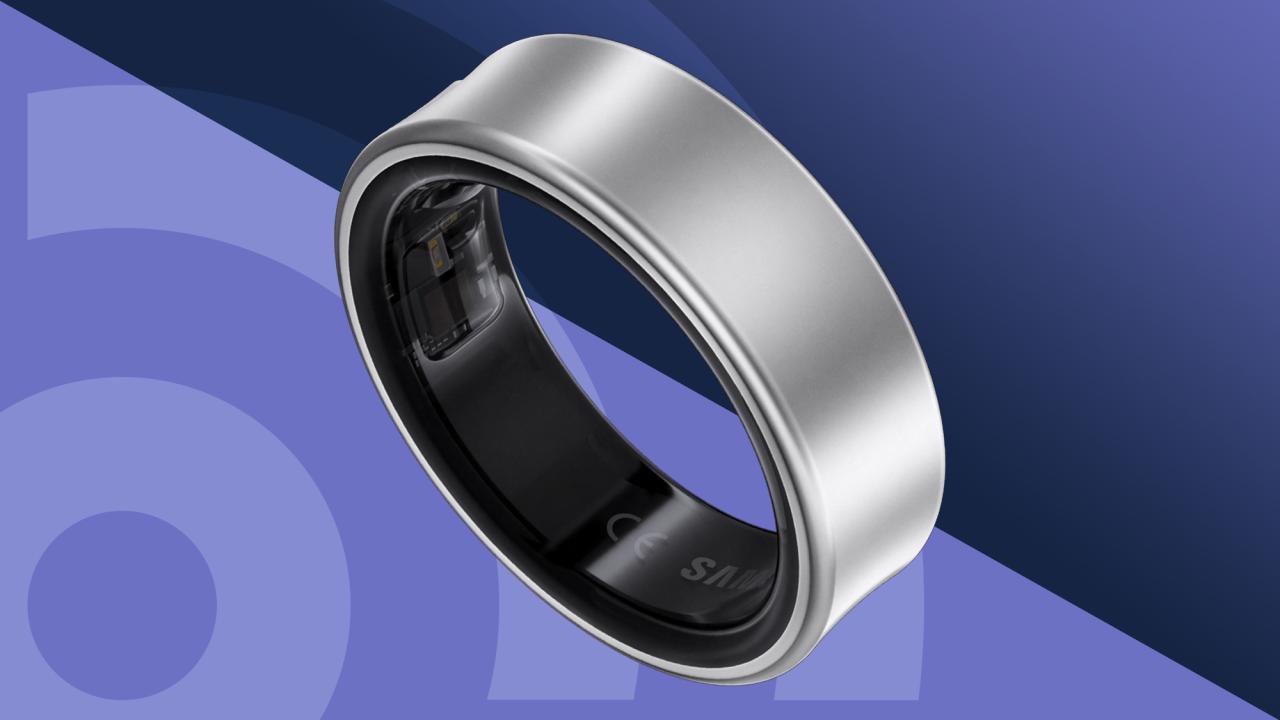
C. Samsung Galaxy Ring
-
Strengths: Excellent gesture recognition, integration with SmartThings, and compatibility with Android devices.
-
Weaknesses: Battery life only lasts around 2 days.
-
Best For: Android users seeking robust smart home control.
D. Motiv Ring (Legacy)
-
Strengths: Sleek design and basic fitness tracking.
-
Weaknesses: Limited device control features; largely discontinued.
-
Best For: Minimalist users with basic needs.
E. AURA AI Ring
-
Strengths: Cutting-edge AI prediction, IR blaster for legacy devices, and IP68 waterproofing.
-
Weaknesses: Relatively new brand with fewer user reviews.
-
Best For: Early adopters wanting the latest features.
Chapter 10: Practical Use Cases – Real-Life Scenarios
To illustrate the transformative potential of the AI Ring, consider the following day-in-the-life scenarios:
Scenario A: The Morning Rush
-
7:00 AM: Sarah wakes up and rotates her AI Ring clockwise to turn on the bathroom heater and warm up the water for her shower.
-
7:30 AM: While making coffee, she taps the ring twice to open the kitchen curtains and scrolls through the news by drawing a vertical line in the air.
-
8:00 AM: She leaves for work. As she walks out the door, she performs a “lock” gesture (a fist clench), which locks all doors and arms the security system.
Scenario B: The Business Presentation
-
10:00 AM: John is presenting quarterly sales data to a board of directors. He uses subtle finger swipes to change slides without looking at his laptop.
-
11:00 AM: During a Q&A session, he receives a high-priority call. Instead of excusing himself, he double-taps the ring to decline the call and send a pre-set “In a meeting, call you later” text message.
Scenario C: The Evening Wind Down
-
9:00 PM: Tom is lying on his couch. He wants to watch a movie but doesn’t want to get up to switch off the lights. He draws a star in the air, which triggers the “Movie Mode” scene.
-
11:00 PM: He falls asleep watching TV. The AI Ring, detecting a drop in his heart rate and lack of movement, automatically turns off the TV and sets the thermostat to a sleep-friendly temperature.
Chapter 11: Environmental and Ethical Considerations
While the AI Ring offers immense convenience, it is also essential to consider its broader impact.
A. E-Waste and Sustainability
Like all electronics, AI Rings have a finite lifespan. The industry is beginning to focus on sustainable practices.
-
Recyclable Materials: Manufacturers are using recycled aluminum and bioplastics to reduce the carbon footprint.
-
Repairability: Modular designs are being developed to allow users to replace the battery rather than discarding the entire unit.
B. Data Ethics
The collection of biometric data raises ethical questions.
-
Informed Consent: Users must be explicitly told what data is being collected and how it is used.
-
Data Sovereignty: Users should have the right to delete their data from cloud servers at any time.
C. Social Impact
As wearable AI becomes more sophisticated, there is a risk of widening the digital divide. Those who cannot afford such technology may find themselves excluded from certain conveniences or even employment opportunities.
Chapter 12: Overcoming the Challenges – Expert Recommendations
To ensure the successful adoption of AI Rings, experts suggest the following strategies:
A. Enhancing Battery Technology
-
Solid-State Batteries: Research into solid-state batteries promises higher energy density, which could allow rings to last for weeks on a single charge.
-
Solar Charging: Integrating transparent solar panels into the ring’s surface is another avenue being explored.
B. Improving AI Accuracy
-
Transformer Models: Implementing advanced transformer-based models can help the ring understand complex multi-step gestures better.
-
User Feedback Loops: If a user corrects a false trigger, the AI should learn from that correction in real-time.
C. Fostering Interoperability
-
Alliances: Tech giants like Google, Apple, and Samsung should collaborate to create a universal API for AI Rings. This would allow developers to create apps that work across all platforms.
D. Educating the Public
-
Demonstration Centers: Physical stores should have demonstration stations where customers can try the AI Ring.
-
Online Tutorials: Brands should invest in comprehensive video tutorials that help users understand the full potential of their device.
Chapter 13: The Future in 2030 and Beyond
Looking ahead, the AI Ring is expected to evolve from a novelty to a necessity. Several futuristic developments are on the horizon:
A. Brain-Computer Interface (BCI) Integration
Future AI Rings may include miniaturized BCI sensors that pick up neural signals. Instead of making a physical gesture, users will be able to control devices simply by thinking a command. The ring will act as the intermediary that converts neural impulses into digital commands.
B. Holistic Ecosystem Control
The ring will not only control devices but also act as the central hub for all digital interactions. It will manage your calendar, suggest meal plans based on your health data, and even negotiate with your smart refrigerator to order groceries when supplies run low.
C. Space and Underwater Applications
The AI Ring’s ruggedized versions will be used by astronauts to control spacecraft systems and by deep-sea explorers to manage underwater drones, thanks to its hands-free and waterproof nature.
D. Personalized Digital Twins
Each AI Ring will create a “Digital Twin” of the user in the cloud. This twin will simulate the user’s behavior and make proactive decisions—like adjusting the home climate before the user even arrives.
Chapter 14: Conclusion – Embracing the Era of Subliminal Control
The AI Ring represents a paradigm shift in human-computer interaction. It moves us away from screens and keyboards towards a more natural, intuitive, and seamless integration of technology into our daily lives. By understanding gestures, predicting needs, and enabling discreet control, the AI Ring enhances productivity, ensures accessibility, and enriches our lifestyle.
However, the journey is just beginning. For this technology to reach its full potential, manufacturers must address battery limitations, enhance accuracy, and standardize protocols. Additionally, society must navigate the ethical landscape concerning data privacy and accessibility.
In conclusion, the AI Ring is not merely a gadget for tech enthusiasts; it is a window into a future where our devices anticipate our needs and obey our commands with a whisper or a flick. As the Internet of Things expands and artificial intelligence becomes more sophisticated, the AI Ring will undoubtedly become an indispensable companion, simplifying complexity and putting the power of the digital world literally at our fingertips.
Final Thoughts:
Whether you are a professional looking to streamline your workflow, a parent seeking to manage a smart home effortlessly, or an individual with accessibility needs, the AI Ring offers a solution that is as elegant as it is powerful. As we stand on the brink of this new frontier, one thing is certain: the future of device control is small, circular, and powered by intelligence. Embrace the change, and let your fingers do the talking.
Frequently Asked Questions (FAQs)
-
Can the AI Ring work without the internet?
-
Yes, basic gesture controls and on-device AI functions work offline. However, voice commands and complex predictive features require an internet connection.
-
-
Is the AI Ring waterproof?
-
Most premium models offer IP68 or IP67 waterproofing, making them suitable for hand washing and rain. However, swimming or diving is not recommended unless specified.
-
-
How long does it take to charge?
-
Typically, the ring takes 1 to 2 hours to reach a full charge via the magnetic charging dock.
-
-
Can I control my PC with the AI Ring?
-
Yes, with compatible software, the ring can act as a remote for media playback, presentation slides, and volume control on PCs.
-
-
Will the ring work with my older non-smart TV?
-
If the ring has an IR blaster, it can be programmed to emulate the TV’s remote control. Ensure your ring’s database includes your TV’s brand.
-
-
What if I lose my AI Ring?
-
Most companion apps have a “Find My Ring” feature that triggers a loud vibration or sound to help you locate it. Additionally, you can remotely deactivate it to prevent unauthorized use.
-
-
Can I wear the ring with gloves?
-
The gesture sensors are based on movement, not touch, so wearing gloves will not affect gesture recognition. However, touch and pressure sensitivity will be impacted.
-
-
Is it comfortable to wear all day?
-
Yes, the rings are ergonomically designed and made from lightweight materials like titanium or ceramic. They are designed for 24/7 wear.
-
-
How much does a typical AI Ring cost?
-
Prices range from $100 for basic models to over $500 for premium versions with health monitoring and predictive AI.
-
-
Can the AI Ring be hacked?
-
While no device is 100% secure, encryption and biometric authentication make it extremely difficult to hack. Always keep your firmware updated for the latest security patches.
-