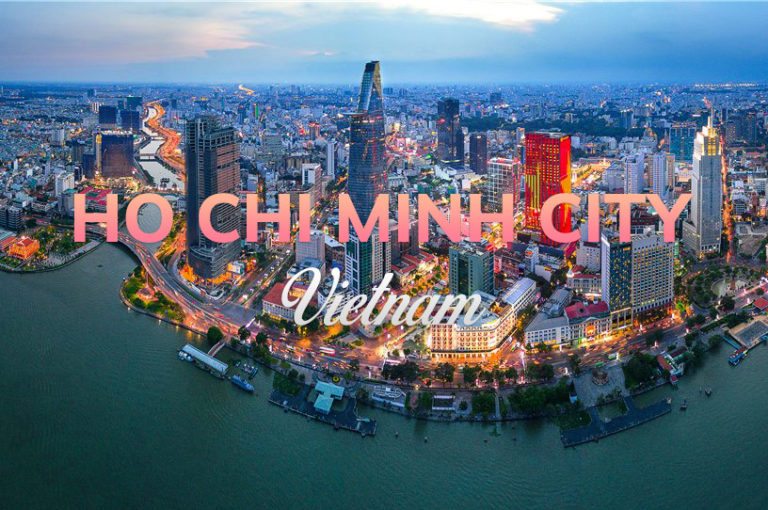
Ho Chi Minh City, Vietnam’s economic powerhouse, is positioning itself at the forefront of Southeast Asia’s digital revolution. With ambitious plans, substantial foreign investment, and a rapidly maturing innovation ecosystem, the city is actively seeking to transform into a leading technology hub. This comprehensive analysis explores the city’s strategic initiatives, infrastructure developments, investment climate, and the multifaceted approach it is undertaking to realize its vision of becoming a regional and global leader in science, technology, and innovation.
The Strategic Vision: Becoming Southeast Asia’s Leading Sci-Tech Hub
Ho Chi Minh City has greenlighted a new science and technology development program for the 2026-2030 period, setting a bold goal of becoming Southeast Asia’s leading center for science, technology, and innovation. This program identifies science, technology, and innovation as key drivers for rapid and sustainable economic growth, higher productivity, and stronger competitiveness. The city aims to raise total social spending on research and development (R&D) to 2-3 percent of its Gross Regional Domestic Product (GRDP) by 2030, with more than 60 percent of this coming from non-state sources.
The city’s master plan for 2025-2050, with a 100-year vision, aims to transform it into a leading sustainable, innovative, and livable mega-city in the Asia-Pacific region. This long-term perspective underscores the commitment to creating a future-proof urban environment where technology and innovation drive every aspect of life. The plan includes developing smart urban areas that use digital technology to manage and operate transportation, building green and environmentally friendly urban areas, and applying information technology to public services.
Flagship Infrastructure: The Saigon Hi-Tech Park and Strategic Technology Development Center
At the heart of Ho Chi Minh City’s tech ambitions lies the Saigon Hi-Tech Park (SHTP), which has been instrumental in attracting high-tech investment and promoting innovation. Established over two decades ago, SHTP has grown into a dynamic high-tech ecosystem, attracting 163 investors, including 51 FDI projects with a total capital of over US$10.3 billion and 112 domestic projects. Currently, 112 active projects in SHTP have created jobs for more than 52,000 workers, with export turnover accounting for up to 47 percent of the city’s total exports in peak years, contributing US$1.7 billion to the state budget. The park hosts global corporations such as Intel, Samsung, Nidec, Nipro, Datalogic, Sanofi, and Schneider Electronics.
A key initiative is the proposed Ho Chi Minh City Strategic Technology Development Center, planned on 52.92 hectares within the Saigon Hi-Tech Park. This center is envisioned as an ecosystem for global technology corporations, investment funds, and core technology developers. The proposed complex would target data centers, cloud computing, AI, semiconductors, smart manufacturing, R&D, and technology incubation. Its planned infrastructure includes an independent power supply of about 63 MW and connections to 15 international fiber-optic cable routes.
The SHTP aims to become an international-standard research and development center, serving as a core hub in Ho Chi Minh City’s innovation and science and technology ecosystem. In the 2025-2030 period, the park will continue to serve as the core of the innovation ecosystem, striving to become an internationally recognized R&D center. The Center for the Fourth Industrial Revolution (C4IR) was inaugurated in September 2024 and became an official member of the World Economic Forum. Additionally, the Semiconductor Microchip Industry Development Program for 2025-2030 has been approved, aiming to make SHTP the core of the national microchip ecosystem.
The Northern Expansion: A New Science and Technology Urban Area
Beyond SHTP, Ho Chi Minh City is unveiling a bold plan for a northern science-technology hub. The city is repurposing a billion-dollar former provincial tower into a research and innovation core for its future tech-driven economy. The northern area is set to become a major science and technology urban zone, marking a transformative step in the city’s spatial and economic development. The former site of Binh Duong New City will be repurposed into a sprawling innovation-driven district under the plan “Northern HCMC Science and Technology Urban Area”.
Key elements of this new urban zone include:
A. The 100-hectare Saigon Innovation Campus
B. A 15-hectare digital technology zone
C. A science exploration center for STEM education and knowledge dissemination
D. Various campuses dedicated to training and research
E. A high-tech industrial ring connecting large-scale industrial parks
F. An ecological science park
G. A digital infrastructure cluster
H. The WTC Expo Center
In the project’s initial phase, Becamex plans to launch eight core developments, including the transformation of the Binh Duong administrative center into a science hub, a science discovery center, an ecological science park, a World Trade Center building with expo facilities, a training and R&D campus, and multiple digital technology parks. The area is envisioned as a logistics gateway and clean energy hub for the region, with direct access to international seaports, airports, inter-regional transport infrastructure, and large-scale renewable energy sources.
Investment Magnet: Record FDI Inflows and Tech Giant Commitments
Ho Chi Minh City is cementing its position as a prime destination for technology-driven foreign direct investment (FDI) as global corporations redraw their networks and chase new Asian growth hubs. In the first months of 2026, a cluster of high-tech projects spanning semiconductors, artificial intelligence, and data centres has been launched or expanded. As of early June, the city attracted more than 6.6 billion USD in FDI, or 60% of its full-year target. It now hosts over 20,800 active FDI projects worth roughly 142 billion USD from 152 countries and territories.
Notably, almost all newly registered projects cluster in high-tech fields such as AI, data centres, semiconductors, digital infrastructure, and logistics, marking a sharp pivot from chasing volume to securing projects with higher technological content and greater added value. The latest wave is heavily concentrated in data centres, AI, semiconductors and R&D—the core pillars of the digital economy.
In late April alone, the municipal People’s Committee granted investment certificates to four high-tech projects at SHTP worth a combined 1.23 billion USD. Two hyperscale data centres are worth nearly 1 billion USD in total, including the Evolution DC VN HCMC Data Centre, developed by a Singaporean consortium, and the Starmason Data Center Complex. These projects will supply critical infrastructure for AI, cloud computing, and big data processing.
Other significant investments include:
A. Techtronic Industries Company Pte. Ltd (Singapore) investing US$81 million into the Techtronic Tools Vietnam factory at SHTP, producing smart electronic devices, IoT-enabled mechatronics, high-performance lithium batteries, and precision circuit boards
B. UAE-based G42 planning to invest about 2 billion USD in data centres
C. Intel considering relocating part of its operations from Costa Rica to Ho Chi Minh City to produce high-performance computing chips
Global Recognition: Top 100 Startup Ecosystem
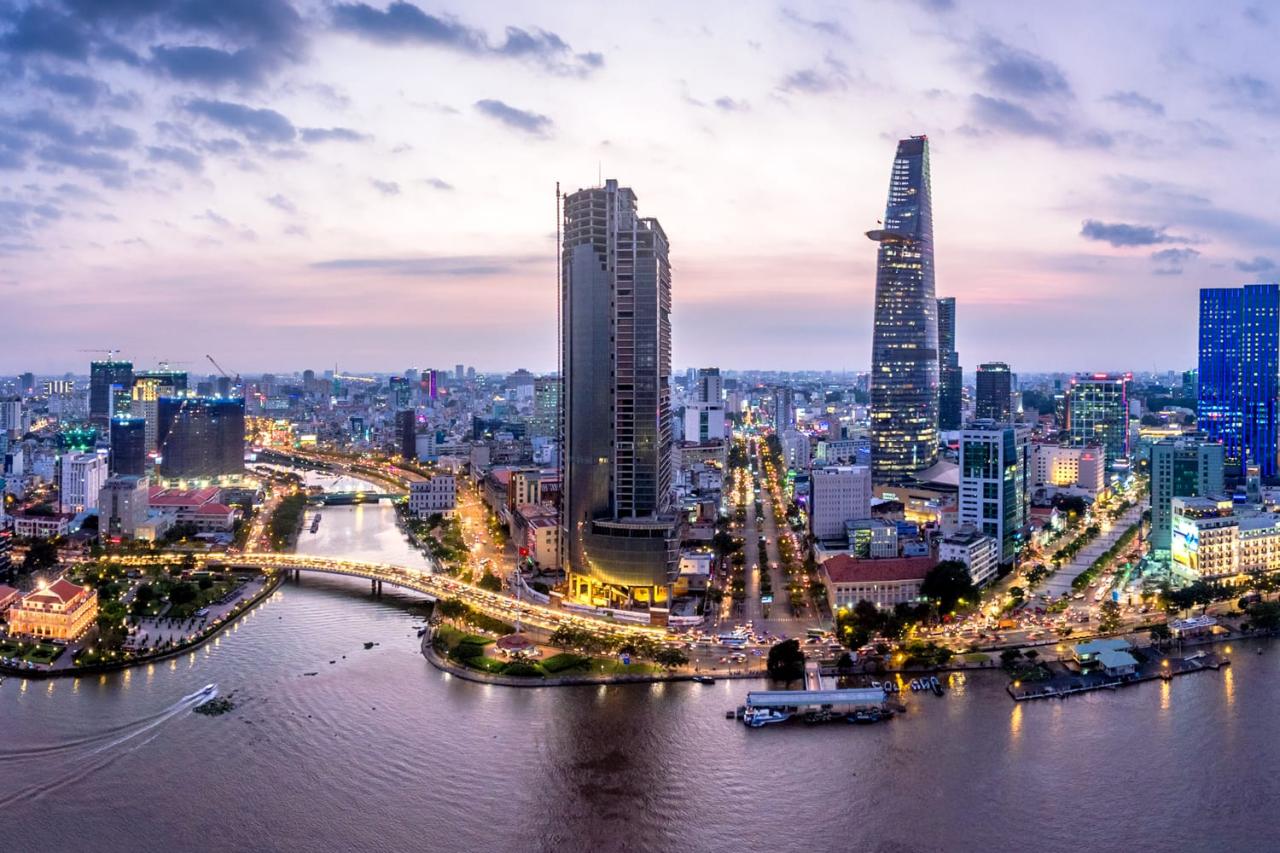
Ho Chi Minh City’s efforts have gained international recognition. According to the StartupBlink Global Startup Ecosystem Index 2026 report, the city has risen 12 places to 98th globally and entered the Top 100 global startup ecosystems for the first time four years ahead of its 2030 roadmap. Currently, Ho Chi Minh City ranks fifth in Southeast Asia, second in the region in terms of ecosystem maturity, and seventh in the Asia-Pacific region in terms of startup community activities.
By sector, fintech remains the city’s strongest area, ranking third in Southeast Asia and 60th globally, while blockchain ranked fifth in Southeast Asia and 70th worldwide. StartupBlink described the city as one of the region’s most dynamic startup hubs, supported by increasingly active participation from startups, investors, universities, technology firms, and innovation support organisations. The city is home to nearly 30,000 information and communications technology enterprises, accounting for around 40% of the country’s total. It now attracts around half of Vietnam’s startups, 40% of incubation facilities, and 44% of total investment capital flowing into the country’s innovation ecosystem.
The Digital Economy: Targets and Growth Trajectory
Ho Chi Minh City has set ambitious targets for its digital economy. The city aims for the digital economy to account for 25 percent of its GRDP by 2025, with a further increase to over 40 percent by 2030. In the period of 2025-2030, the digital economy is targeted to account for about 30% of the total product (GRDP). In 2024, the digital economy already accounted for 22% of Ho Chi Minh City’s GRDP.
For the scale of the digital economy to increase from about VND626,000 billion in 2025 to more than VND1,400 trillion in 2030, the city needs to achieve a compound annual growth rate of 17.5%, nearly double the national digital economic growth rate in 2024. This growth is intended to offset the gap in lower economic indicators from the former Binh Duong and Ba Ria – Vung Tau areas and is expected to surpass the growth rate of traditional industry.
The city’s digital economy strategy focuses on five pillars:
A. Institutional improvement
B. Digital infrastructure development
C. Human resource quality improvement
D. Innovation ecosystem building
E. Strengthening cooperation and linkage
AI and Semiconductor Ambitions
Ho Chi Minh City aspires to become a powerhouse in AI and semiconductor chips. The city’s leadership has stated that the goal is to transform Vietnam and the Ho Chi Minh City High-Tech Park into a high-tech powerhouse, especially in these fields. The Semiconductor Microchip Industry Development Program for the period 2025-2030 has been approved, aiming to make SHTP the core of the national microchip ecosystem.
The city has signed a Memorandum of Understanding with AMD to develop the high-tech and AI ecosystem, including co-hosting innovation events and evaluating the investment environment within SHTP. AMD will also coordinate intensive training courses on AI, microchip design, and semiconductor technology for students.
In digital transformation and smart city development, the city plans to focus on:
A. Artificial intelligence
B. Big data
C. Edge AI
D. Blockchain
E. The Internet of Things
F. Specialized Vietnamese-language virtual assistants for public administration
G. Shared urban data platforms
For industrial development and smart manufacturing, the city will prioritize:
A. Semiconductor technologies, including chip design, packaging, and testing
B. Focus on AI chips, Internet-of-Things chips, and specialized semiconductor systems
C. Industrial robots and unmanned systems
D. Smart logistics
E. Energy storage technologies
F. Carbon emission reduction solutions for manufacturing
Innovation Ecosystem and Startup Support
Ho Chi Minh City is accelerating the development of its innovation ecosystem and smart city initiatives. The city’s startup and innovation ecosystem has moved beyond its initial formation phase to a more in-depth development stage. Key components include:
A. The Innovation Center at Vietnam National University Ho Chi Minh City, which has become a hub for research and development of new technologies
B. The Ho Chi Minh City Innovation and Entrepreneurship Center (SIHUB), which plays a coordinating and connecting role among ecosystem components
C. The High-Tech Business Incubator at the Ho Chi Minh City High-Tech Park
D. Innovation centers operating under the public-private partnership model
The city is implementing a venture capital fund model with a mechanism combining state capital contribution with private capital. The Ho Chi Minh City Venture Capital Fund, established as a joint-stock company, begins with an initial charter capital of 500 billion VND (19 million USD), of which the city budget contributes 40%, while the remainder comes from private investors, enterprises, and financial institutions.
The city aims to double the number of innovative enterprises, raise the proportion of businesses engaged in innovation activities to over 40%, and increase annual patent growth by 16–18%. Start-up accelerators will target AI, semiconductors, UAVs, robotics, and biotechnology.
Human Capital Development: The Young Science and Technology Incubator
A critical component of Ho Chi Minh City’s tech hub strategy is human capital development. The ‘Young Science and Technology Incubator’ program is designed to train 5,000 young researchers and engineers, with increasing proportions of master’s and doctoral-level talent in priority fields. The city is also piloting artificial intelligence education in more than 170 high-quality schools beginning in the 2025-2026 academic year.
The city has standardized over 14.8 million demographic data records and cleaned up 7.4 million land records. It is shifting its role from ‘manager’ to ‘biggest customer’ in science and technology. In the period of 2025-2030, the city will allocate at least 4-5% of the total annual budget for science, technology, and digital transformation.
Digital Infrastructure and Connectivity
Ho Chi Minh City boasts impressive digital infrastructure, including 82% 5G coverage, 16 data centres, and hosts more than 2,000 tech start-ups, over half the country’s total. The city has emerged as the nation’s central hub for integrating digital tools into all aspects of life. Priorities in 2025 centered around digital transformation, administrative reform, and the two-tier government model, with a focus on cybersecurity, platforms, applications, and data protection.
The city has become the first locality to issue a comprehensive digital data strategy and has allocated 12.7 trillion VND (500 million USD) to fuel this digital evolution. The Quang Trung Software City (QTSC) has become a major centre for technological development and digital solutions, developing more than 650 products and services, generating cumulative revenue of nearly 6 billion USD and export turnover exceeding 4.35 billion USD.
Policy Support and Institutional Reforms
To support its tech hub ambitions, Ho Chi Minh City is implementing significant policy and institutional reforms. Resolution 98 has given the city “leverages” for the digital economy, including:
A. Exempting corporate and personal income tax for creative startups
B. Allowing the budget to contribute capital to venture capital funds to order scientific research
C. A controlled testing mechanism (sandbox) for piloting new business models and technologies that the law has not yet kept up with
The city is actively refining special policy mechanisms, including a proposed Law on Special Urban Areas, to create more room for development, sharper competitiveness, and better quality FDI projects. The city is working to build a transparent and investor-friendly climate supported by increasingly international-standard infrastructure.
City Chairman Nguyen Van Duoc has emphasized that the city is shifting its investment-attraction strategy away from simply maximizing capital inflows toward projects that offer higher quality, core technologies, and greater added value. The city will make full use of special mechanisms and policies, accelerate decentralization and delegation of authority, and apply controlled pilot mechanisms to create more favorable conditions for investors.
Investors have called for:
A. A single, integrated administrative focal point to speed up procedures involving taxation, finance, goods, and specialized sectors
B. Stronger links between multinational corporations and Vietnamese companies
C. Reliable and abundant electricity
D. Scalable digital infrastructure
E. Skilled workers
F. Streamlined investment procedures
In response, administrative procedures must follow a facilitative approach, with greater emphasis on post-inspection and a one-stop mechanism to shorten the time required to bring projects into operation.
Challenges and the Path Forward
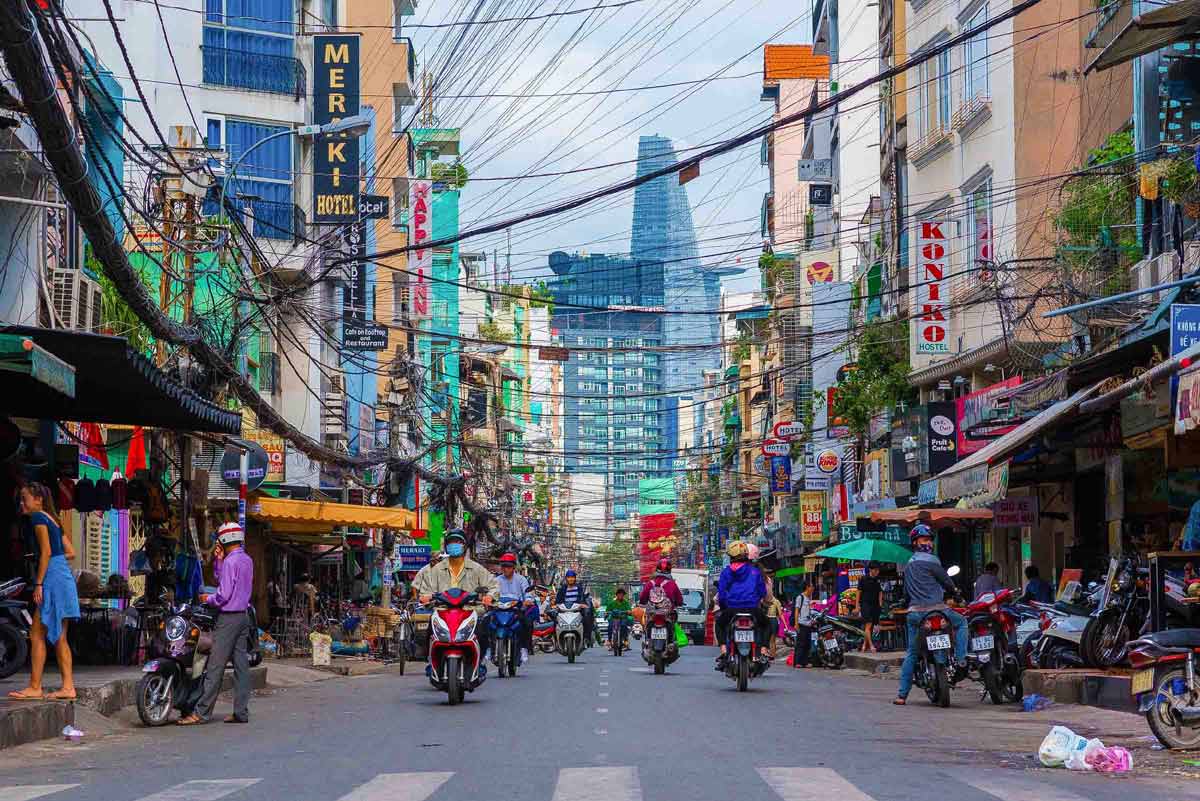
While Ho Chi Minh City has made remarkable progress, challenges remain. Experts note that making it into the Top 100 startup ecosystems only marks the successful completion of the foundation-building phase. The next stage requires the city to focus more on the quality of its ecosystem, promote research and development, master core technologies, commercialize intellectual property, and develop globally competitive technology companies.
The city must address key concerns raised by investors, including ensuring reliable and abundant electricity, scalable digital infrastructure, skilled workers, and streamlined investment procedures. Major technology companies are primarily concerned with how ready a destination is to receive investment. In addition to power and digital connectivity, the city needs to build a skilled workforce for semiconductors, AI, and advanced manufacturing, while attracting leading technology corporations that can draw suppliers, research institutions, startups, and investment capital into the ecosystem.
The city is prioritizing integrated circuits, semiconductors, AI, IoT, blockchain, robotics, 5G, data centers, and smart urban development. It also plans to develop about 3,800 hectares of smart technology zones and more than 1,000 hectares of additional tech infrastructure.
Conclusion
Ho Chi Minh City’s journey toward becoming a leading technology hub represents one of Southeast Asia’s most compelling transformation stories. Through strategic infrastructure development, substantial investment attraction, policy innovation, and human capital development, the city is systematically building the foundations for a tech-driven future. The combination of the Saigon Hi-Tech Park, the new northern science and technology urban area, the Strategic Technology Development Center, and a rapidly maturing startup ecosystem positions the city as a formidable player in the regional and global technology landscape.
The ambitious targets—including raising R&D spending to 2-3% of GRDP, achieving a digital economy contribution of over 40% by 2030, and maintaining its position among the world’s top startup ecosystems—demonstrate the city’s commitment to innovation-led growth. As global corporations continue to invest in data centres, AI, and semiconductor facilities, and as the city nurtures its next generation of tech talent, Ho Chi Minh City is poised to realize its vision of becoming Southeast Asia’s leading science, technology, and innovation hub. The coming years will be crucial in determining whether this ambitious vision translates into lasting economic transformation and global recognition.