
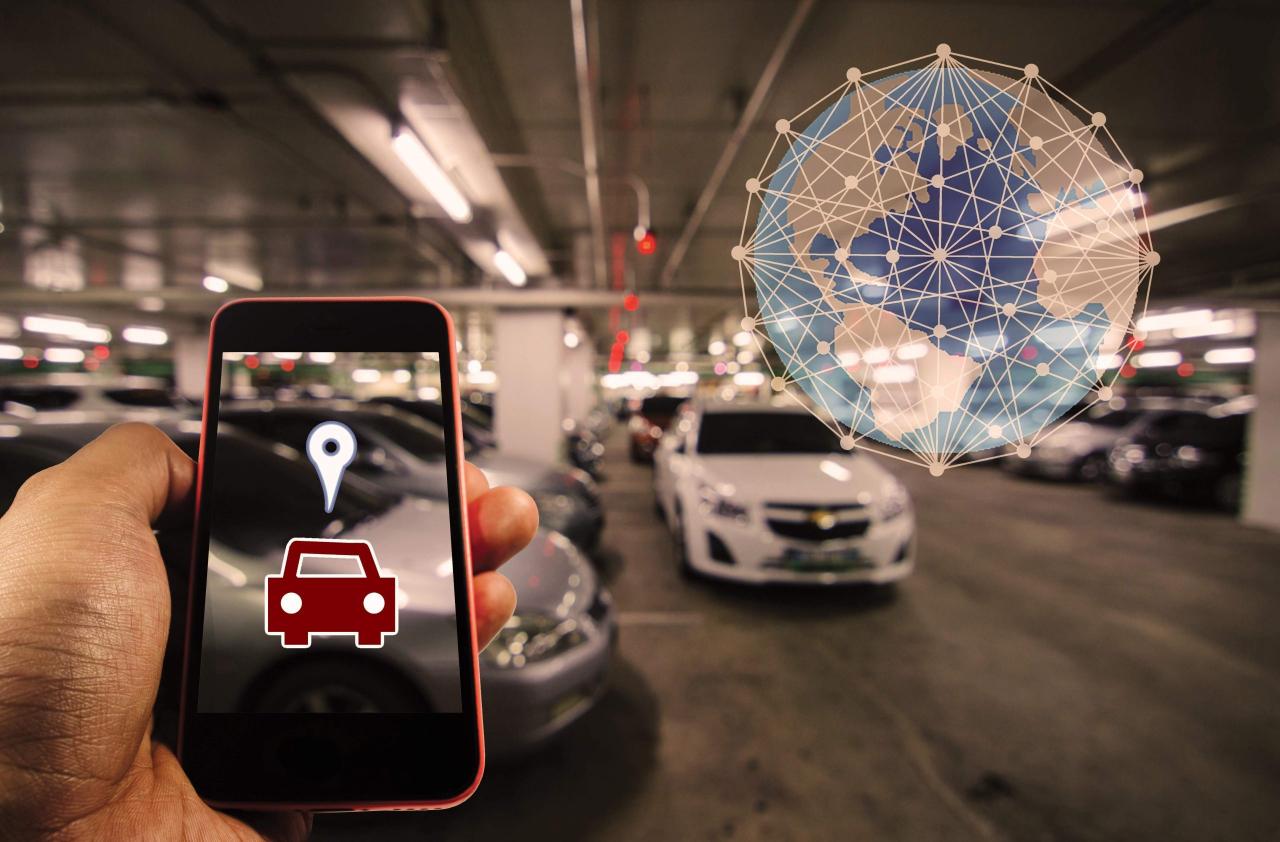
Picture this: you are driving through a busy city center, late for an important meeting, circling block after block while your frustration mounts with each passing minute. This universal urban nightmare is not just an inconvenience it represents a fundamental failure of traditional parking infrastructure. Studies have consistently shown that a staggering 30% of urban traffic congestion stems directly from drivers searching for available parking spaces . This phenomenon leads to wasted time, increased fuel consumption, higher carbon emissions, and significant driver frustration . However, a technological revolution is quietly unfolding beneath our cities, promising to transform this chaotic experience into a seamless, data-driven journey.
This is the promise of smart city parking tech integration an ecosystem where Internet of Things (IoT) sensors, artificial intelligence (AI), cloud computing, and mobile connectivity converge to solve one of modern urban living’s most persistent challenges. As our cities continue to swell with residents and vehicles, the demand for parking has exploded, leaving infrastructure struggling to keep pace . Traditional approaches, which often rely on manual oversight and lack real-time data dissemination, are increasingly ill-equipped to handle the dynamic demands of today’s urban environments . This mismatch results in congested streets, wasted fuel, frustrated drivers, and inefficient use of valuable urban space, highlighting a critical need for more intelligent and automated solutions .
The Economic and Environmental Imperative
The business case for smart parking integration is compelling, with the global smart parking market projected to experience extraordinary growth. According to recent market analyses, the industry is expected to expand from approximately $12.35 billion in 2026 to $26.37 billion by 2030, representing a compound annual growth rate of 20.9% . This remarkable trajectory reflects the growing recognition among city planners, parking operators, and technology providers that intelligent parking management is critical to making cities both more attractive and safer for citizens .
Beyond the economic metrics, smart parking technology addresses pressing environmental concerns. Traditional parking systems contribute significantly to urban pollution through unnecessary vehicle circulation. By reducing the time drivers spend searching for parking, smart systems directly decrease carbon emissions and fuel consumption. The positive knock-on effects of well-thought-out parking policies are significant and support broader climate goals, including the European Union’s Cities Mission for 100 climate-neutral and smart cities by 2030, and the broader European Green Deal . Replacing heat-retaining concrete or asphalt parking spaces with greenery is also emerging as one of the best ways to combat rising urban temperatures, which has become a more pressing issue in recent years due to climate change .
The Core Components of Smart Parking Integration
A comprehensive smart parking ecosystem comprises several interconnected technologies working in harmony. Understanding these components is essential for grasping how modern parking solutions are reshaping urban environments.
A. Sensor Technologies: The Foundation of Smart Parking
The foundation of any smart parking solution lies in its sensing capabilities. Multiple sensor types are deployed to detect vehicle presence and occupancy:
Ultrasonic Sensors: These devices measure distance by emitting high-frequency sound waves and calculating the time required for echoes to return. When installed above parking spaces, they can reliably detect whether a vehicle is present. Systems utilizing Arduino microcontrollers and ultrasonic sensors have demonstrated effectiveness in automating parking spot detection .
Infrared Sensors: Similar to ultrasonic sensors, infrared detectors use light beams to determine occupancy. A typical implementation might use five infrared sensors to detect cars at entry and exit gates and monitor parking slot availability .
Computer Vision Systems: Advanced solutions employ deep learning algorithms, including convolutional neural networks (CNNs) and YOLOv5 models, to analyze camera feeds and detect vehicle presence with remarkable accuracy. Recent implementations have achieved over 99.5% accuracy in slot occupancy detection .
LiDAR Technology: Light detection and ranging sensors provide detailed 3D mapping of parking environments, enabling precise vehicle localization and space monitoring .
B. Communication Infrastructure
The seamless flow of data from sensors to users depends on robust communication networks:
MQTT Protocol: Many systems utilize Message Queuing Telemetry Transport, a lightweight protocol ideal for IoT applications, to transmit sensor data to central platforms .
LoRaWAN: Long Range Wide Area Network technology offers a scalable, cost-effective approach to urban parking management, enabling modules to communicate parking status over considerable distances with minimal power consumption .
Wi-Fi and Cellular Networks: Wireless communication modules synchronize parking space data with mobile devices, enabling real-time updates for users .
Cloud Architecture: Amazon Web Services (AWS) IoT Core and other cloud platforms aggregate, timestamp, and store sensor data in scalable NoSQL databases for low-latency access .
C. Artificial Intelligence and Data Processing
Modern smart parking solutions go far beyond simple occupancy detection. AI algorithms are now central to system intelligence:
Predictive Analytics: Long Short-Term Memory (LSTM) neural networks analyze historical occupancy patterns to forecast demand and dynamically allocate parking spaces .
Dynamic Allocation: Intelligent allocation modules assign parking slots based on real-time availability, proximity, and congestion conditions, optimizing utilization across entire facilities .
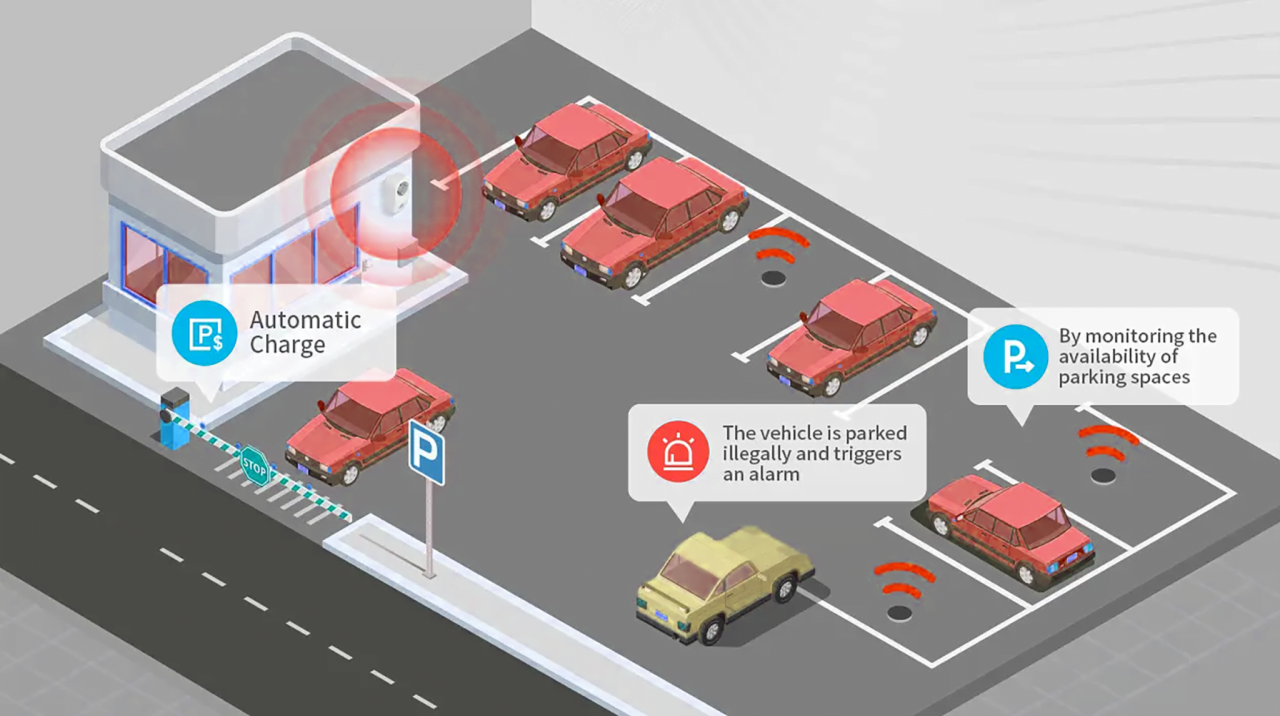
Anomaly Detection: Machine learning systems identify unauthorized parking, detect maintenance issues, and alert administrators to potential problems before they escalate .
Automated Enforcement: Singapore’s Urban Redevelopment Authority has deployed Mobile AI Detection systems using deep learning-based computer vision mounted on patrol vehicles to automatically detect unsafe parking behaviors, enabling more comprehensive coverage and safer roads and car parks .
D. User Interface and Payment Systems
For smart parking to succeed, users must have intuitive access to information and services:
Mobile Applications: Well-designed apps provide real-time visualization of parking availability, intelligent navigation to optimal spaces, and digital payment integration . Some systems integrate payment features such as WeChat and Alipay for parking spot reservations .
Administrative Dashboards: Comprehensive analytics tools provide heatmaps of space utilization, occupancy patterns, and predictive maintenance alerts for sensor nodes .
License Plate Recognition (LPR): Automated systems identify vehicles via license plates and credit cards, enabling frictionless entry and exit .
Advanced Applications and Future Developments
Automated Valet Parking (AVP)
One of the most exciting developments in smart parking is the emergence of Automated Valet Parking (AVP) systems. These technologies allow vehicles to park themselves with minimal or no driver intervention, navigating complex parking environments through sensor fusion and AI-driven decision-making .
The Enhancing Automated Valet Parking (EAVP) platform, showcased at the ITS European Congress, demonstrates how interoperability is central to making automated parking work for users, cities, and industry alike . With statistics showing that up to 80% of a driver’s itinerary involves parking and guided parking capable of saving up to 35 minutes per trip, the opportunity is significant . The EAVP platform addresses this by aligning OEMs, mapping providers, and parking operators around a shared deployment pathway and common standards.
Industry leaders are making substantial investments in this technology. Valeo, a Tier 1 supplier, is targeting mapping of more than 3,000 facilities in 2026, with platform proof of concept expected later that year and a citywide demonstrator planned for 2027 . This momentum reflects the sector’s transition “from ticketless to driverless,” including IoT integration, LPR/ANPR, AI applications, and advanced parking data standards .
Electric Vehicle Integration
As electric vehicle (EV) adoption accelerates, smart parking systems are evolving to accommodate charging infrastructure. Connected automated parking improves user experience for EV owners by integrating charging station availability with parking guidance. SKIDATA, a key industry player, has demonstrated that much of the required infrastructure can be built on existing systems, modernized where necessary, emphasizing the value of information availability to improve convenience and reduce search traffic .
Commercial Vehicle Applications
Automated parking solutions are extending beyond private cars to commercial vehicles, supporting logistics hubs, port terminals, reverse parking, and depot operations. Benefits include time savings, fewer incidents, support for driver shortages, and higher space efficiency . This expansion into commercial applications opens new revenue streams and efficiency improvements for businesses dependent on vehicle fleets.
Policy Implications and Urban Planning
Sustainable Urban Mobility Plans (SUMPs)
The European Commission is encouraging municipal authorities to implement Sustainable Urban Mobility Plans across Europe to tackle challenges such as traffic congestion, air and noise pollution, and road safety . The Park4SUMP project, a four-year research collaboration, has demonstrated that intelligent parking management is critical to making cities both more attractive and safer for citizens.
One of the initiative’s key contributions was the development of the ParkPAD method, which helps local authorities better understand parking situations and identify improvement opportunities through online questionnaires, data analysis, and workshops . This method played a vital role in helping participant cities find a way forward and ensure agreement on implementing changes through consultation and citizen involvement.
Citizen Participation and Acceptance
The success of smart parking policies depends significantly on public acceptance. Best practices include ensuring that revenues from parking fees and fines are invested in sustainable urban mobility initiatives. Citizen participation in developing parking management measures has also proven essential in ensuring acceptance of and compliance with new measures .
Future-Proofing Urban Infrastructure
The shift toward software-driven solutions represents a fundamental change in how cities approach parking infrastructure. As physical hardware requirements decrease, cleaner, less obstructed sidewalks and parking lots are becoming possible. Smartphone applications are replacing physical meters and pay stations, enabling easier upgrades and maintenance at a fraction of the cost of traditional systems . This trend represents future-proofing the parking industry and creating unique opportunities for technology professionals.
The Future Outlook
Market Growth and Technology Adoption
The market for passenger vehicle automated parking systems is set to expand significantly between 2025 and 2031, driven by growing consumer demand for stress-free parking and steady improvements in sensing and computing technologies . While Auto Park Assist (APA) systems are already widely available, more advanced Automated Valet Parking (AVP) solutions are transitioning from controlled pilots to early commercialization.
Frost & Sullivan projects APA penetration to reach nearly 74.6% by 2031, reflecting its transition into a mainstream feature . In contrast, Level 4 AVP systems will remain limited in volume but are expected to achieve early commercial deployment in premium and EV models. These projections highlight the significant opportunities for technology providers and parking operators willing to invest in next-generation solutions.
Regional Developments
Europe has emerged as a frontrunner in smart parking adoption, with progressive regulations and pilot deployments enabled by supportive UNECE frameworks and national legislation. Germany’s StVG, reinforced by pilots from Mercedes-Benz and BMW, has enabled early Level 4 AVP trials .
The Asia-Pacific region, particularly China, Japan, and South Korea, is at the vanguard of market growth, with strong government support for smart mobility programs, OEM-tech ecosystem integration, and localized sensor and AI supply chains . These regions are pushing automated parking installation to surpass 70% of new vehicles by 2031.
North America continues to benefit from strong consumer acceptance of ADAS features and flexible regulatory conditions, with semi-automated parking penetration expected to reach just over 70% by 2031 .
Challenges and Considerations
Despite the remarkable progress, several challenges must be addressed for widespread smart parking adoption:
A. Standardization
Interoperability remains a critical issue. Shared standards reduce fragmentation and integration costs, while fragmented approaches increase complexity and user frustration .
B. Cybersecurity
Robust security measures, including TLS 1.2 encryption and role-based access control, are essential to protect user privacy and maintain system integrity .
C. Investment Requirements
Deploying comprehensive smart parking infrastructure requires significant upfront investment, though long-term returns through efficiency gains and user satisfaction often justify the costs.
D. Public Acceptance
Changing driver behaviors and ensuring compliance with new parking policies requires ongoing education and citizen engagement .
Conclusion
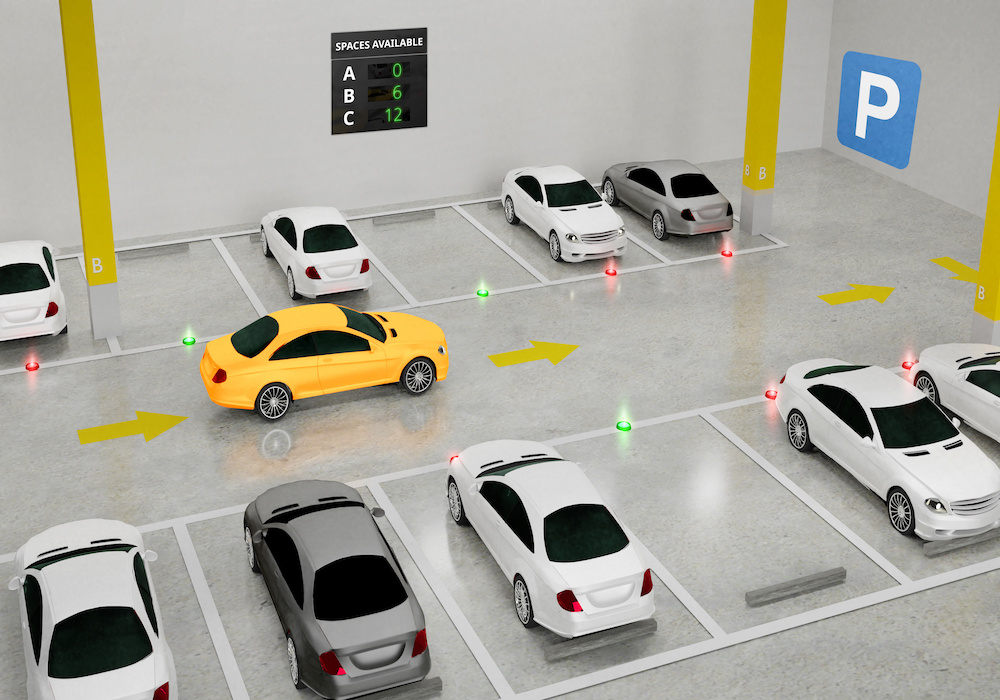
Smart city parking tech integration represents more than a technological upgrade to traditional parking systems it embodies a fundamental reimagining of how urban spaces function and how citizens interact with their cities. By combining the power of IoT sensors, artificial intelligence, cloud computing, and mobile connectivity, these systems promise to transform the frustrating experience of searching for parking into a seamless, efficient journey.
The benefits extend far beyond individual convenience. Reduced congestion, lower emissions, improved safety, and more efficient use of valuable urban space contribute to healthier, more sustainable cities. As policymakers increasingly recognize the importance of intelligent parking management in achieving environmental and quality-of-life goals, investment in smart parking solutions continues to accelerate globally.
The future of urban mobility is connected, automated, and data-driven. As cities continue to evolve and grow, smart parking technology integration will play an increasingly central role in creating livable, sustainable, and efficient urban environments. The question is no longer whether smart parking will become standard practice, but how quickly cities, operators, and technology providers can work together to make this vision a reality for citizens worldwide.