
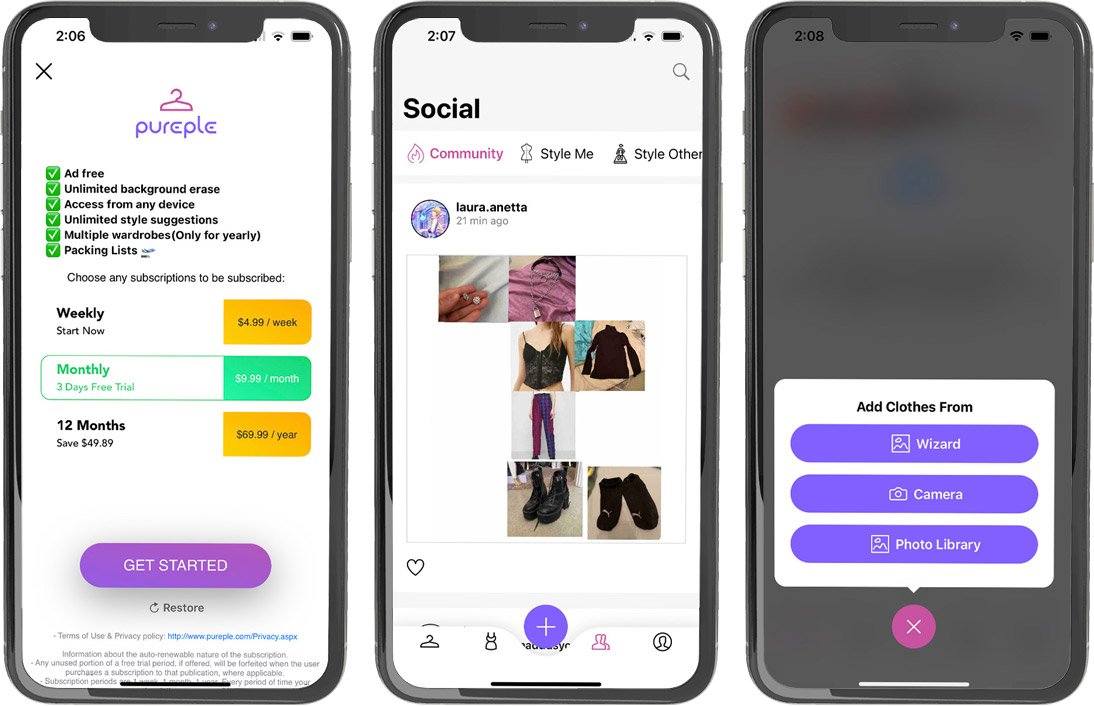
The concept of a digital wardrobe has evolved far beyond the iconic computerized closet seen in the 90s classic Clueless. What was once a futuristic fantasy is now a tangible reality, reshaping how we interact with our clothing. A new wave of technology is transforming physical wardrobes into digital assets, offering unprecedented control, insight, and even financial opportunity. This isn’t just about organizing your clothes; it’s about turning your closet into a dynamic, data-driven portfolio.
For decades, the average person has struggled with a common dilemma: a closet full of clothes and nothing to wear. This paradox stems from a fundamental lack of visibility and understanding of our own possessions. Studies show that most people wear only about 20% of their wardrobe regularly, leaving roughly 80% of their clothes sitting unused . This is not just a personal inconvenience but a significant economic and environmental issue. The fashion industry’s “buy, use, dispose” model has created massive waste, and consumers are increasingly seeking solutions for more mindful and intentional consumption .
The emergence of sophisticated wardrobe apps and digital platforms is bridging the gap between consumption and awareness. These tools are turning closets into structured data, allowing users to see what they own, what they actually wear, and the patterns behind their habits. This visibility is the first step toward shopping smarter, avoiding redundancies, and making strategic choices that align with personal style and budget. As Dominique Cojuangco-Hearn, co-founder of Sorto, explains, “We are not telling people to buy less. We are giving them the information to make more intentional decisions” . When ownership becomes visible, accountability follows naturally.
The New Ecosystem of Digital Wardrobes

The landscape of wardrobe digitization is diverse, encompassing everything from personal styling apps to blockchain-based marketplaces. These platforms are turning a physical collection of garments into a digital asset that can be managed, valued, and monetized. The core technology enables users to catalog their clothing through various methods, from photographing items with a smartphone to uploading receipts or using AI-powered image recognition . This digitization process creates a manageable inventory, making it easy to plan outfits, track wear patterns, and gain data-driven insights into personal style.
A. Artificial Intelligence and Personal Styling
The integration of Artificial Intelligence is a cornerstone of modern digital wardrobes. Apps like Fitted, Sorto, and Whering are leading this charge. Fitted has gained attention for its practical integrations, such as using AccuWeather to suggest weather-appropriate outfits and partnering with Taskrabbit to have a Tasker come to your home to photograph your entire wardrobe, eliminating the most tedious part of the process . It even operates on the Solana blockchain with its own token, $FITTED, which has seen over $80 million in trading volume, showing a tangible intersection between Web3 and everyday fashion management .
Similarly, Sorto, founded by Dominique Cojuangco-Hearn and Winnie Wong, prioritizes insight over complexity. It helps users understand their fashion “Aura” through a short quiz and uses AI to read color, silhouette, and category from simple images . The goal is to answer three fundamental questions: What do I own? What do I actually wear? What patterns define me? Whering, which recently secured $7 million in funding from eBay Ventures and the Google AI Futures Fund, is another major player with over 10 million users . The app helps users digitize their clothing, generate outfit suggestions, and make more intentional purchasing decisions. Data suggests this approach is working, with 84% of Whering users reporting they wear their clothes more often, and nearly 70% saying they have reduced fast-fashion purchases .
B. Tokenization and Blockchain
The most radical development in this space is the tokenization of physical clothing as Non-Fungible Tokens (NFTs). This process turns a physical garment into a unique digital asset on a blockchain, providing verifiable proof of ownership and authenticity . This concept has been explored through projects like “Wardrobe Odyssey,” a Solana marketplace where clothes become NFTs that earn loyalty points each time the item changes hands or is worn . This gamifies garment longevity and creates a transparent provenance record, incentivizing sustainable fashion practices.
This is not just a futuristic concept. Luxury brands are already integrating NFTs into their operations. Prada’s “Timecapsule” project tied NFTs to limited-edition physical products, granting purchasers access to exclusive benefits and communities . Lacoste’s Undw3 NFT card gave holders access to locked Discord channels and co-creation opportunities with the brand . Even Balenciaga has integrated digital IDs into sweatshirts that provide access to exclusive music content . These examples show how NFTs are being used to combat brand infringement, strengthen customer relationships, and create exclusive digital communities.
The legal landscape is also adapting. The U.S. Ninth Circuit has explicitly ruled that NFTs constitute trademarkable goods, confirming that intellectual property rights can be protected in the digital realm . This provides a framework for brands and creators to securely navigate the intersection of fashion and blockchain.
C. The Platform for Digital Assets
Beyond individual apps, a broader ecosystem is forming where digital wardrobes become the central hub for fashion-related activities. Platforms like Klosetshop provide a foundation for users to access their entire clothing collection online, create outfits, share with friends, pack virtual suitcases, and even sell items they no longer want . This creates a comprehensive lifecycle for clothing, from acquisition to retirement.
The concept of “Clothing as a Service” (CaaS) is also emerging, as seen with platforms like Wear Forward in the Philippines. This social enterprise uses an AI-powered circular fashion marketplace and virtual wardrobe to help individuals and organizations curate, elevate, and circulate wardrobes sustainably . The goal is to extend garment lifecycles, increase utilization, and reduce textile waste.
Even the metaverse and virtual fashion are playing a role. Companies like DressX are building platforms for users to create, wear, and trade virtual garments for digital avatars, using 3D fashion items, AI/AR try-on tools, and generative AI styling . This demonstrates the expanding definition of a wardrobe from physical assets to a multi-dimensional concept that exists across digital and physical spaces .
The Fundamentals: From Selfie to Asset
The transformation of a physical wardrobe into a digital asset is a multi-step process that leverages a variety of technologies. This process turns a collection of garments into a manageable, valuable, and insightful resource.
A. Cataloging Your Wardrobe
The first and most foundational step is digitization. This involves creating a visual and data-rich record of every item in your closet. Modern apps have made this process remarkably simple. Users can upload photos in various ways: from mirror selfies, flat lays, brand websites, or even receipts . The AI technology is sophisticated enough to read color, silhouette, and category from simple images, so you don’t need to stage your wardrobe or make photos look editorial . This ease of use is crucial, as the sheer boredom of photographing every item has historically been the biggest barrier to adopting a digital closet .
B. Understanding the Data
Once cataloged, the system analyzes the data to provide insights. This is where the wardrobe transforms from a simple catalog into a dynamic asset. The platform can identify what you wear most often, what you rarely touch, and the patterns that define your style. Users often report surprising revelations, such as “I didn’t realize how much blue I own” or “I keep buying for a fantasy future version of myself” . This data also reveals the cost-per-wear of each item, allowing for more strategic financial decisions.
C. Monetizing and Trading
The ultimate expression of a wardrobe as an asset is its monetization. This happens in a few ways. Users can sell items they no longer want directly through integrated resale platforms, turning unused clothing into cash . For more tech-savvy users, tokenization offers a new frontier. By minting an item as an NFT, the user can sell it, and the item’s history including every time it has been worn or exchanged is recorded on the blockchain, building a verifiable timeline that can increase its value and provenance . This creates a new type of asset class where the history and story of a garment are as valuable as the garment itself.
Beyond the Closet: The Broader Impact of Digital Fashion
The digitization of wardrobes is not occurring in a vacuum. It is part of a larger digital transformation within the fashion industry. The concept of digital fashion is about more than just making lists of clothes; it’s about redefining the value of clothing. Projects like the ai-FaMe x Dorophy Tang initiative at Hong Kong’s PolyU are blurring the boundaries between digital and physical, creating fashion that exists simultaneously as digital content for avatars, NFTs, and physical collectible figures . This multi-dimensional approach redefines fashion as intellectual property, digital art, and lifestyle merchandise.
Furthermore, the integration of blockchain technology provides a powerful tool for combating counterfeiting and ensuring ethical production. By creating a transparent, immutable record of a garment’s journey from factory to consumer, brands can prove authenticity and consumers can verify they are purchasing sustainable, ethically-made products. This creates a new level of trust and accountability in an industry often criticized for its opacity.
The Future is a Digital Wardrobe
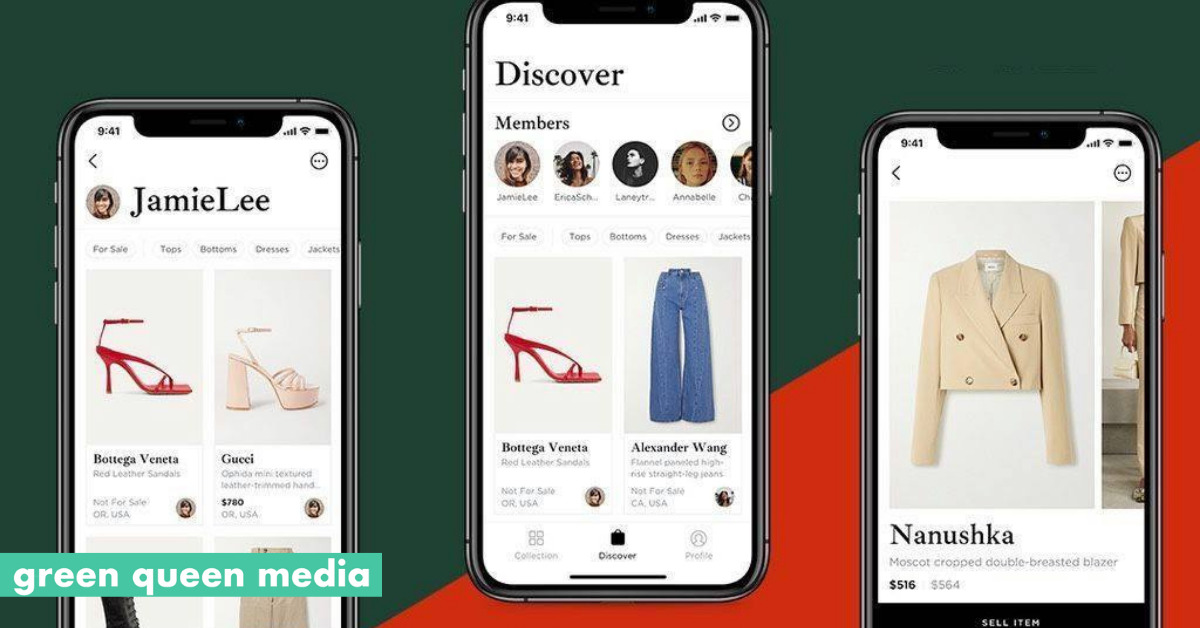
The new apps turning wardrobes into digital assets are not just a trend; they represent a fundamental shift in how we value and manage our clothing. The future of style is not just about what you own, but about how you manage it . By embracing these tools, consumers can move from unconscious, emotional consumption to a more mindful, data-driven relationship with fashion. The closet is no longer just a piece of furniture; it is a dynamic portfolio of memories, style, and potential value, waiting to be unlocked.