

Table of contents
Boehringer Ingelheim has taken a decisive step in advancing next-generation cancer therapeutics by securing an exclusive licensing agreement for a cutting-edge viral vector platform. This strategic move underscores the pharmaceutical giant’s commitment to innovation in immuno-oncology, specifically targeting the development of novel cancer vaccines. The deal, which involves Prime Vector Technologies (PVT) and its proprietary Orf virus (ORFV) platform, represents a significant investment in a technology that holds the potential to transform how the body’s own immune system is harnessed to fight malignancies .
This isn’t merely a financial transaction; it is a calculated integration of a sophisticated biological delivery system into Boehringer Ingelheim’s robust oncology pipeline. The platform’s unique characteristics, including its safety profile and ability to stimulate potent immune responses, make it an attractive candidate for both standalone and combination therapies. This article delves deep into the intricacies of this licensing agreement, the science behind the platform, and the broader implications for the future of cancer treatment and the pharmaceutical industry’s strategic licensing landscape.
The Core of the Agreement: Prime Vector Technologies and the ORFV Platform
The agreement grants Boehringer Ingelheim exclusive worldwide rights to utilize PVT’s ORFV platform specifically for the development of cancer vaccines . For PVT, this deal validates years of research and development, providing a powerful commercial partner to advance their technology into late-stage development and, potentially, to market. The financial structure of the deal, which includes upfront payments and milestone-based royalties, reflects the high value Boehringer places on the technology’s potential .
Understanding the ORFV Platform
The Orf virus is a member of the poxviridae family, specifically a parapoxvirus that naturally infects sheep and goats. While this origin might raise initial concerns, the virus has been a subject of interest for oncology for over a decade. In 2012, researchers highlighted ORFV as an ideal viral backbone for therapeutic cancer vaccines due to several compelling attributes .
A. Exceptional Safety Profile: One of the primary barriers to using viral vectors in humans is safety. ORFV has demonstrated an excellent safety profile in numerous studies, showing that it does not replicate efficiently in human cells, which significantly reduces the risk of off-target effects or uncontrolled infection . This safety record is a critical advantage over other viral vectors.
B. Potent Immune Stimulation: Unlike some other vectors that are stealthy, ORFV is highly immunogenic. When introduced into the body, it acts as a potent adjuvant, alerting the immune system and creating an inflammatory environment. This environment is precisely what is needed for a cancer vaccine to be effective, as it wakes up the immune system and helps it recognize tumor-associated antigens delivered by the vector .
C. Stable Transgene Expression: The platform allows for the stable expression of multiple transgenes (therapeutic genes) simultaneously. This is crucial for developing multivalent vaccines that can target several cancer antigens at once, making it harder for tumors to develop resistance . The ability to deliver a “brick system” of modular genes provides high flexibility in vaccine design.
D. Suitability for Repeat Dosing: One of the significant challenges with other viral vectors, like adenoviruses or herpes simplex viruses, is the development of neutralizing antibodies after the first dose. The immune system builds a defense against the vector itself, making repeat dosing less effective. ORFV, however, is less susceptible to this issue. It supports repeat dosing, allowing for booster shots to maintain or boost the immune response, which is essential for tackling persistent tumors .
Distinguishing ORFV from Other Vectors
While the biotechnology landscape features a variety of viral vectors for gene therapy and vaccines, ORFV stands apart. For instance:
- Herpes Simplex Virus (HSV): HSV is used in Amgen’s Imlygic (talimogene laherparepvec), an oncolytic virus therapy for melanoma. HSV is larger and more complex, and its use has been primarily focused on direct tumor injection to lyse (break open) cancer cells. ORFV, in contrast, is being developed primarily as a systemic vaccine platform to generate a whole-body immune response against cancer antigens .
- Adenovirus and Vaccinia Virus: These are widely used in vaccine development (e.g., for COVID-19). However, they often face the pre-existing immunity problem; many people have already been exposed to these viruses and have antibodies that can neutralize the vaccine before it can do its job. ORFV faces less pre-existing immunity in humans, making it a superior vector for a broader population .
- Lentiviral Vectors: These are used in gene therapy for genetic diseases like cystic fibrosis or for manufacturing CAR-T cells. Lentiviruses integrate into the host genome, which can be a safety risk. ORFV does not integrate, offering a safer, non-mutagenic alternative .
Scientific Rationale and Preclinical Promise
The decision by Boehringer Ingelheim to license this platform was not arbitrary. It is rooted in a wealth of pre-existing scientific evidence supporting ORFV’s potential . PVT had already de-risked the platform significantly through various programs, including a COVID-19 vaccine candidate (Prime-2-CoV), which generated crucial clinical data on feasibility, safety, and immunogenicity in humans .
- The Mechanism of Action: ORFV vectors work by infecting antigen-presenting cells (like dendritic cells) in the body. These cells are the sentinels of the immune system. When infected, they process the tumor antigens encoded by the vector and present them to T-cells (the “killer” cells) and B-cells (the “antibody” factories) . This primes the immune system to search for and destroy any cell bearing that specific antigen. Because tumor cells are notorious for evading the immune system, a vaccine that acts as a “wanted poster” is a powerful tool in immunotherapy.
- Overcoming Manufacturing Hurdles: Historically, the scalability of manufacturing ORFV was a concern. However, PVT and others have developed robust manufacturing processes for the platform, evidenced by its progression through clinical stages for COVID-19 . Boehringer Ingelheim is a global leader in biopharmaceutical manufacturing (through its BioXcellence arm, which develops and produces biologics for partners). Their ability to scale up manufacturing will be critical in bringing this technology to patients .
Strategic Implications for Boehringer Ingelheim and the Industry
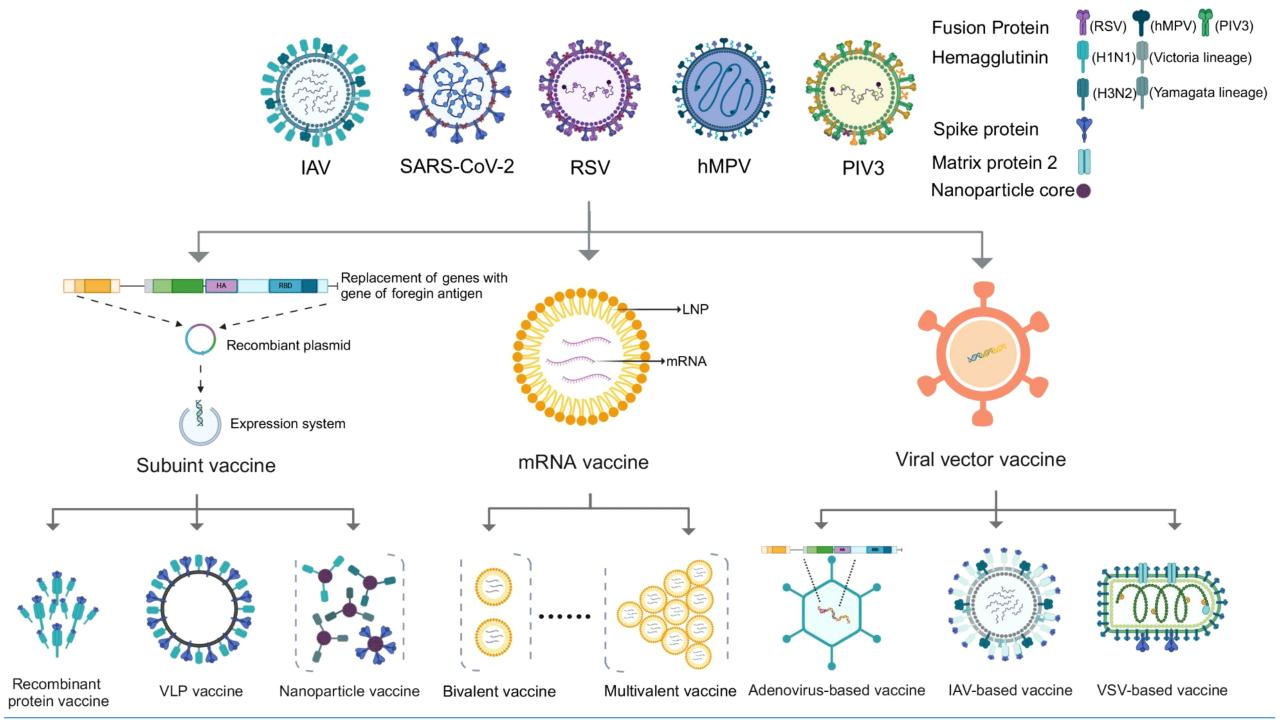
This licensing deal is a vital piece of a larger, more complex strategy for Boehringer Ingelheim in the field of viral vectors and immuno-oncology. The company has been systematically building its expertise in this area for years.
Expanding the Oncology Arsenal
Boehringer Ingelheim’s interest in oncolytic viruses and viral vectors is well-documented. The licensing of the ORFV platform extends this focus beyond direct oncolytic viruses (which kill tumor cells directly) into therapeutic vaccines (which stimulate the immune system to kill tumor cells) .
A. History of Oncolytic Virus Investments: In 2016, Boehringer Ingelheim invested in ViraTherapeutics, a company specializing in a Vesicular Stomatitis Virus (VSV) based oncolytic virus platform (VSV-GP). They later exercised an option to acquire the company in 2018 . VSV-GP, now known as BI 1831169, demonstrated initial data in 2024, though the Phase 1 trial has since been paused . This background shows that Boehringer has the infrastructure and scientific teams in place to handle complex viral therapies, making the integration of the ORFV platform a natural progression.
B. Manufacturing Synergies: Boehringer Ingelheim BioXcellence, the contract development and manufacturing organization (CDMO) arm, is a major player in biologics manufacturing. They have been manufacturing plasmid DNA (a precursor component for gene therapies) for AnGes’ HGF gene therapy (Collategene) for over 20 years . This deep experience in microbial technology and GMP (Good Manufacturing Practice) compliance provides a strong foundation for scaling up a new vector platform.
The Advantage of Combination Therapies
One of the most exciting aspects of this licensing deal is the potential for combination therapy . The agreement explicitly allows Boehringer Ingelheim to assess the ORFV platform in combination with other pipeline programs. In the world of oncology, combination therapies are the gold standard for achieving durable responses.
- Checkpoint Inhibitors: Combining a cancer vaccine (like the ORFV-based one) with an immune checkpoint inhibitor (like a PD-1 or CTLA-4 inhibitor) could be powerful. The vaccine activates the immune system and drives “killer” T-cells to the tumor. The checkpoint inhibitor removes the brakes that tumors put on those T-cells, preventing them from attacking. By licensing the ORFV platform, Boehringer Ingelheim can create its own proprietary combination of these modalities, ensuring a competitive edge.
- Other Oncolytic Viruses: Boehringer Ingelheim could potentially combine the ORFV vaccine with their VSV-GP oncolytic virus therapy. The oncolytic virus could directly lyse tumor cells, releasing a plethora of tumor antigens, while the ORFV vaccine could train the immune system to respond to those antigens.
The Broader Ecosystem: Viral Vector Licensing in 2026
Boehringer Ingelheim’s licensing move is reflective of a broader trend in the biopharmaceutical industry: the commoditization and specialization of platform technologies. Companies are increasingly seeking to license de-risked, proprietary platforms to accelerate their internal R&D timelines rather than building everything from scratch.
A Comparative Licensing Landscape
A. VVMF and OXB: In a separate licensing agreement announced in early 2026, Viral Vector Manufacturing Facility (VVMF) secured a license from OXB for their proprietary inAAVate™ (AAV) and LentiVector™ platforms . This deal focuses on manufacturing and serves the cell and gene therapy market in the APAC region. It underscores how platform technologies are being used to catalyze entire regional industries, positioning Australia as a hub for gene therapy manufacturing.
B. Aldevron and Minaris: The renewed licensing agreement between Aldevron and Minaris highlights the importance of licensed off-the-shelf plasmid systems for lentiviral production . This is a direct support system for the burgeoning CAR-T and TCR-T cell therapy market, focusing on simplifying supply chains and reducing lead times.
C. Immatics and Lentigen: A commercial manufacturing and supply agreement between Immatics and Lentigen Technology, a subsidiary of Miltenyi Biotec, secures a lentiviral vector supply chain . This deal is crucial for Immatics’ cellular therapy programs and provides a real-world example of licensing securing the backbone of a complex therapy.
D. Periphagen and Candel Therapeutics: The licensing of HSV-derived assets by Candel Therapeutics from Periphagen highlights the ongoing importance of HSV as a vector platform for treating neurological conditions and cancers, showcasing the varied fields where these platforms are applied .
Why This Matters
The proliferation of these licensing deals signals a maturing industry. Companies are moving away from inventing everything in-house and are instead relying on a network of specialized providers. For Boehringer Ingelheim, licensing the ORFV platform is not just about getting a good product; it’s about buying time and reducing risk. It’s cheaper, faster, and safer to license a platform that has already passed initial safety tests and shown manufacturing feasibility than to start from ground zero .
Unique Value Proposition of the PVT Deal
What makes the Boehringer-PVT deal stand out from the rest is the specific nature of the platform.
- Focus on Cancer Vaccines: While many other deals focus on manufacturing (VVMF/OXB) or gene therapy for rare diseases (Boehringer/AnGes for PAD, Boehringer/GTC for Cystic Fibrosis), this deal is squarely focused on therapeutic cancer vaccines . This is a high-risk, high-reward area where few have succeeded, making Boehringer’s investment a bold statement of intent.
- The ORFV Backbone: As discussed, ORFV offers specific advantages over other vectors. Its ability to support repeat dosing is a “killer feature” for a vaccine . Many cancer vaccines fail because the immune system’s response wanes, or the tumor mutates to evade it. The capacity to administer boosters is essential for long-term disease control.
- The “Brick” System: The modular nature of the ORFV vector allows for “plug and play” design . Boehringer can easily swap out the tumor antigens being targeted. If a specific antigen profile isn’t working, or if a new tumor marker is discovered, the platform can be quickly adapted without having to reinvent the delivery mechanism. This agility is a significant strategic asset.
Conclusion

Boehringer Ingelheim’s exclusive licensing of Prime Vector Technologies’ ORFV platform is a powerful testament to the evolving landscape of biopharmaceutical innovation. This strategic acquisition is far more than a simple business deal; it is a carefully considered move to secure a proprietary, versatile, and scientifically validated viral vector platform that has the potential to become a cornerstone of next-generation immuno-oncology.
Boehringer’s journey into the world of viral vectors has been methodical, starting with investments in ViraTherapeutics and manufacturing deals for gene therapies . The licensing of the ORFV platform is the culmination of this strategy, providing the company with a proprietary tool to address one of the most significant challenges in cancer treatment: engaging the immune system. The platform’s safety profile, immunogenicity, and suitability for repeat dosing position it uniquely against competitors like HSV or adenoviral vectors. Furthermore, the potential for combining the ORFV vaccine with other pipeline agents such as checkpoint inhibitors or oncolytic viruses gives Boehringer a distinct advantage in developing best-in-class combination therapies. As the industry continues to move toward specialized platforms, Boehringer Ingelheim’s latest move secures its place at the forefront of cancer vaccine innovation.