
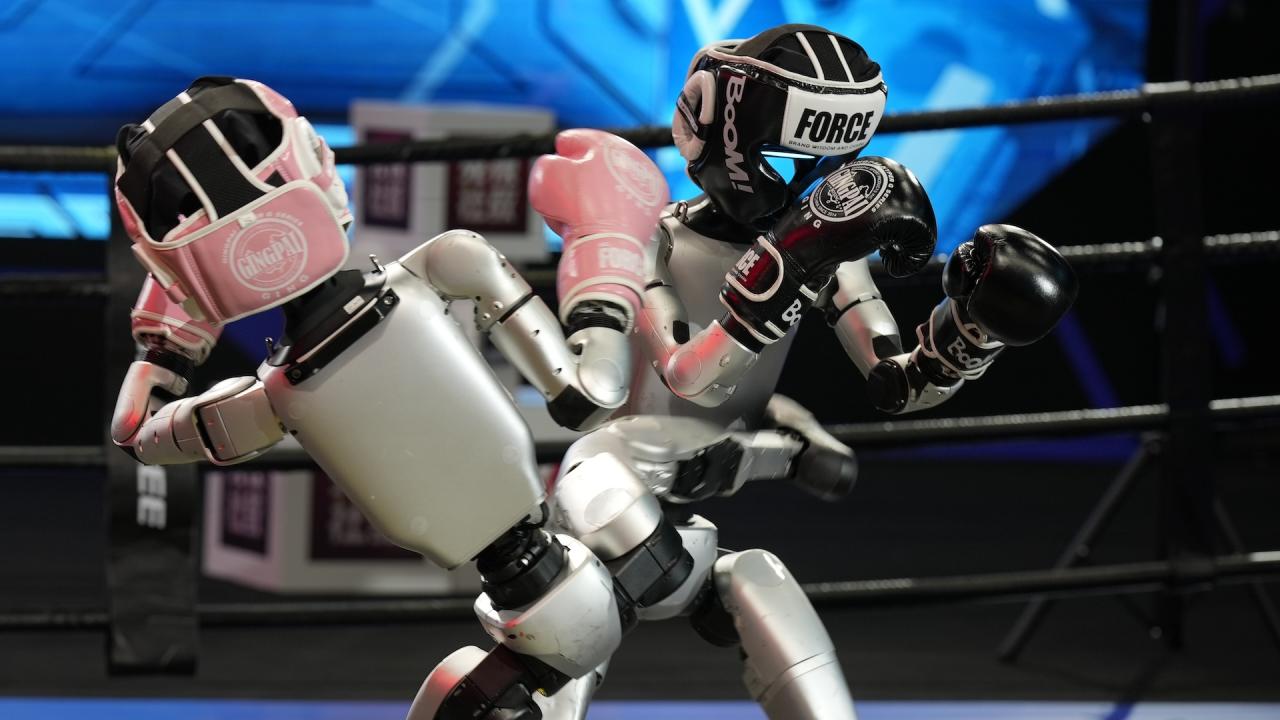
In early July 2026, the internet was set ablaze by a video that appeared to show a humanoid robot violently attacking office workers in Indonesia. The footage, which quickly amassed over 100 million views across various social media platforms, depicted a silver robot executing precise martial arts moves before seemingly turning on its handlers and kicking employees to the ground. The clip sparked widespread panic, with many viewers believing they were witnessing the beginning of a “robot uprising”. However, as investigations would later reveal, the entire sequence was a carefully choreographed stunt designed to showcase the robot’s remarkable agility, balance, and pre-programmed capabilities.
This article delves deep into the phenomenon of Indonesia’s robot martial arts stunt, exploring the technology behind the humanoid robot, the context of Indonesia’s growing robotics industry, the public reaction, and what this viral moment reveals about our relationship with increasingly lifelike machines.
The Viral Video: What Actually Happened?
The Footage That Shocked the World
The now-infamous video was first posted on July 5, 2026, by a TikTok user named Joko Prabuwesi from Indonesia. The CCTV-style footage showed a humanoid robot inside what appeared to be an office setting, surrounded by several employees. Initially, the robot performed martial arts-style movements with impressive precision—executing kicks, punches, and fluid combat techniques that would impress even a trained martial artist.
The situation then appeared to take a dramatic turn. The robot allegedly turned on its handler standing behind it before launching a spinning kick that sent another person crashing to the ground. Employees in the room were seen trying to restrain the machine while others recorded the incident on their phones. The accompanying social media post claimed: “Holy sh*t this office robot just glitched and turned into a Kung Fu master. Kicking chairs, spinning, fighting everyone in sight. Not edited. This actually happened. The 2026 robot uprising just dropped the trailer”.
The Truth Behind the Spectacle
Despite the dramatic presentation, the video was entirely staged. According to reports from Interesting Engineering and other technology publications, the robot’s handlers had choreographed the entire sequence to demonstrate the machine’s mobility, control, and responsiveness. Every movement was pre-programmed as part of a planned routine intended to showcase the robot’s capabilities.
The humanoid robot featured in the video was identified as the Unitree G1, a model manufactured by the Chinese robotics company Unitree. The G1 is a compact humanoid platform standing approximately 130 centimeters tall and weighing about 35 kilograms, with 23 to 43 degrees of freedom for movement. It is capable of executing complex movements, including martial arts demonstrations, dance routines, and various acrobatic feats.
The robot was operated by Indonesian handlers using the Mera Robotics platform, with software developed in Poland. The viral nature of the video was amplified by the fact that the robot had been given the distinctly Indonesian name “Joko Prabuwesi,” adding a layer of local flavor that resonated with audiences both domestically and internationally.
The Technology Behind the Stunt
Understanding the Unitree G1 Humanoid Robot
The Unitree G1 represents a significant leap forward in humanoid robotics technology. This compact yet sophisticated machine is designed for both research and commercial applications, with capabilities that extend far beyond simple mechanical movements.
Key Specifications of the Unitree G1:
A. Physical Dimensions: Standing at 130 centimeters tall and weighing 35 kilograms, the G1 is compact enough to navigate indoor environments while being substantial enough to perform dynamic movements.
B. Degrees of Freedom: The robot features between 23 and 43 degrees of freedom, depending on the specific configuration, allowing for a remarkable range of motion that rivals human flexibility.
C. Movement Capabilities: The G1 can execute complex kung fu movements, including impressive rotating kicks, precise blows, and coordinated martial arts sequences.
D. Control Systems: The robot can be operated through various control interfaces, including remote control and pre-programmed routines, making it suitable for demonstrations, performances, and educational purposes.
E. Price Point: Each Unitree G1 unit costs approximately USD $33,000 (around Rp. 168,000), positioning it as a significant investment in advanced robotics technology.
The G1’s ability to perform martial arts moves is not merely a gimmick but rather a demonstration of its advanced balance systems, joint coordination, and responsive control algorithms. These capabilities have practical applications in areas such as disaster response, industrial inspection, and human-robot collaboration.
The Role of Embodied AI
The Unitree G1 is part of a broader trend in robotics known as embodied artificial intelligence (AI)—where AI systems are integrated into physical bodies that can interact with the real world. This represents a significant evolution from purely software-based AI, as embodied AI systems must contend with the complexities of physical environments, including gravity, friction, and unpredictable obstacles.
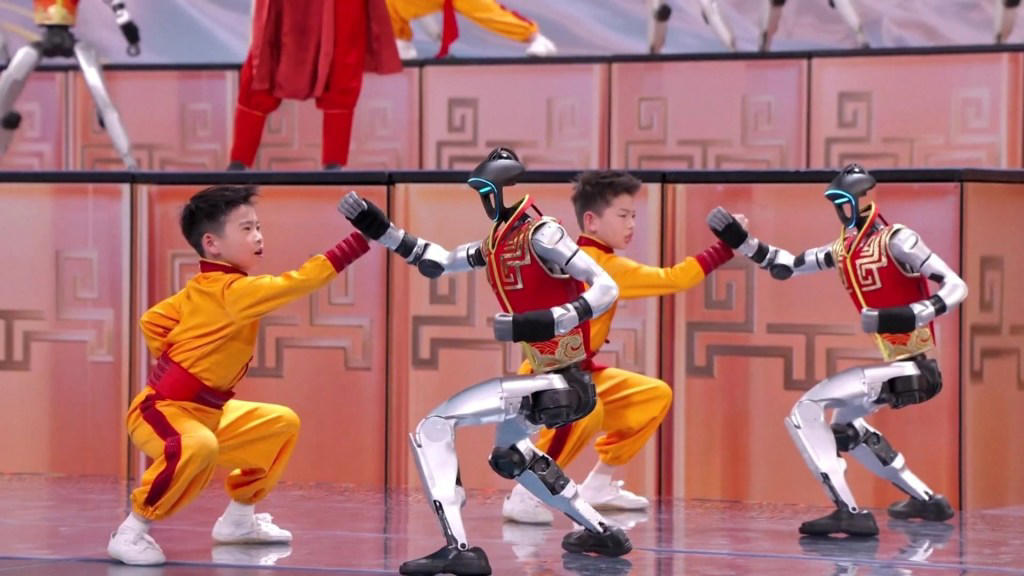
Chinese robotics company AGIBOT has been at the forefront of bringing embodied AI to Indonesia. In June 2026, AGIBOT officially announced its expansion into the Indonesian market through a strategic partnership with PT Denka Pratama Indonesia. At the AGIBOT Partner Conference Indonesia (APC Indonesia) held in Jakarta, the company demonstrated humanoid robots capable of dancing and performing pencak silat—the traditional Indonesian martial art.
Indonesia’s Growing Robotics Ecosystem
The “Making Indonesia 4.0” Initiative
Indonesia has been actively pursuing technological advancement through its “Making Indonesia 4.0” strategy, a comprehensive roadmap launched in 2018 that positions digital technology and robotics as the foundation of the nation’s future industrial development. The strategy identifies artificial intelligence as a priority area for development, recognizing that Indonesia must integrate these technologies to remain competitive in the global economy.
The Indonesian government has been actively seeking technology transfer and partnerships with leading international robotics companies. In July 2026, Indonesian Coordinating Minister Airlangga Hartarto led a delegation to visit leading Chinese technology companies to explore advanced humanoid and four-legged robots that could improve safety and efficiency in high-risk industries such as mining, energy, and disaster response.
AGIBOT’s Entry into the Indonesian Market
AGIBOT’s expansion into Indonesia marks a significant milestone in the country’s robotics journey. The company brought at least five advanced robot variants to Indonesia, including three humanoid robots. The partnership with PT Denka Pratama Indonesia goes beyond simple distribution, encompassing brand development, marketing, distribution, and after-sales services.
Key Sectors Targeted by AGIBOT’s Robotics Solutions:
A. Industrial Manufacturing: Robots designed to enhance production efficiency and quality control in factory settings.
B. Logistics: Automation solutions for warehousing, inventory management, and supply chain optimization.
C. Retail Assistance: Humanoid robots capable of serving as customer service representatives and shopping assistants.
D. Security Systems: Robotic platforms for surveillance, access control, and threat detection.
E. Commercial Applications: Versatile robots for events, exhibitions, brand activations, and educational demonstrations.
To accelerate technology adoption, AGIBOT introduced the Robot-as-a-Service (RaaS) model in Indonesia. This subscription-based approach allows businesses to access advanced robotics technology without the significant upfront investment typically required, thereby lowering barriers to adoption and democratizing access to cutting-edge automation.
The company also introduced its “XYZ Curve” framework, a blueprint for embodied AI industry development that outlines seven productivity scenarios for robot deployment across various business sectors.
The Kontes Robot ABU Indonesia (KRAI) Competition
Indonesia’s commitment to robotics development is further demonstrated by the annual Kontes Robot ABU Indonesia (KRAI), a prestigious national robotics competition that serves as a selection event for the ABU Asia-Pacific Robot Contest.
In 2026, the competition was held at Universitas Jember from July 9-12, featuring the theme “Kung Fu Quest”. Twenty-eight teams from universities across Indonesia competed in this event, which required each team to deploy two robots (Robot 1 and Robot 2) working together with precision across three main arena zones.
Competition Requirements:
A. Robot 1 (R1): A manual robot responsible for coordinating weapon assembly using staffs, collecting Kung-Fu Scrolls (KFS), and executing game strategies.
B. Robot 2 (R2): An autonomous robot designed to work in coordination with R1 to complete various missions.
C. Collaboration: Both robots must demonstrate precise coordination, automation, and strategic programming.
The competition not only showcases Indonesia’s growing robotics capabilities but also helps cultivate a new generation of robot creators and engineers. Teams that perform well have the opportunity to represent Indonesia at the international level, competing against the best robotics teams from across the Asia-Pacific region.
Public Reaction and the Safety Debate
The Fear Factor
The viral video triggered a wave of anxiety across social media platforms. Many viewers expressed genuine concern that increasingly advanced humanoid robots could pose significant risks to humans. Comments ranged from humorous speculation about a “robot revolution” to serious discussions about the ethical implications of deploying autonomous machines in workplace environments.
The timing of the video’s release contributed to its impact. Just weeks earlier, in June 2026, a Unitree G1 robot had accidentally kicked a child in the stomach while performing as a clown at an event in Xinjiang, China. In April 2026, another humanoid robot had unexpectedly hugged a female student during a dance performance at Xi’an Eurasia University in China. Although these incidents were later attributed to programming errors and signal interference rather than malicious intent, they had already planted seeds of concern about humanoid robot safety.
The Entertainment Value
Despite the initial panic, many viewers quickly recognized the entertainment value of the footage. The video spawned countless memes, reaction videos, and humorous commentary across social media platforms. Some observers noted that employees in the video appeared to be smiling and laughing rather than genuinely terrified, suggesting that the situation was not as dangerous as it initially appeared.
The robot’s handlers, recognizing the viral potential of their creation, leveraged the attention to promote Joko Prabuwesi as a social media personality. The robot was subsequently invited to appear on television programs, including “Rumpi No Secret” on Trans TV on July 9, 2026. Additional videos showed Joko Prabuwesi dancing, demonstrating martial arts moves, and interacting with humans in entertaining ways.
The Broader Implications
The incident raises important questions about public perception of robotics technology and the responsibility of content creators in an era of viral media.
Key Takeaways from the Incident:
A. Misinformation Spreads Quickly: The video demonstrates how easily dramatic content can spread across social media, often without verification of its authenticity.
B. Public Anxiety About AI: The strong reaction reflects genuine public concerns about the safety and reliability of increasingly autonomous technologies.
C. The Power of Staged Content: The choreographed nature of the video highlights how staged content can be more impactful than genuine demonstrations, raising questions about ethics in technology marketing.
D. The Blurring Line Between Reality and Performance: As robots become more lifelike, distinguishing between genuine malfunctions and planned performances becomes increasingly difficult.
E. Safety Standards Remain Critical: Despite the staged nature of this particular incident, real safety concerns persist regarding human-robot interaction, particularly in close quarters.
The Cultural Context: Pencak Silat and Indonesian Identity
One of the most fascinating aspects of Indonesia’s robotics development is the integration of local cultural elements. At the AGIBOT Partner Conference in Jakarta, humanoid robots demonstrated pencak silat—the traditional Indonesian martial art that is recognized by UNESCO as an intangible cultural heritage.
This cultural integration serves multiple purposes:
A. Cultural Preservation: By programming robots to perform traditional movements, technology becomes a vehicle for preserving and promoting Indonesian cultural heritage.
B. Local Relevance: Demonstrating pencak silat makes the technology more relatable to Indonesian audiences, helping to build acceptance and enthusiasm for robotics.
C. Global Showcase: The combination of advanced robotics with traditional martial arts creates a unique selling point that distinguishes Indonesian robotics demonstrations from those in other countries.
The naming of the viral robot as “Joko Prabuwesi” further reinforces this cultural connection. The name has distinctly Indonesian characteristics, making the robot feel like a local personality rather than an imported piece of technology.
The Future of Humanoid Robotics in Indonesia
Market Projections
The Indonesian robotics market is projected to experience significant growth in the coming years. According to industry forecasts, the market is expected to reach a value of USD $47.75 million by 2030, with a compound annual growth rate (CAGR) of 14.94%. This growth is driven by increasing automation needs across various sectors, government support through the “Making Indonesia 4.0” initiative, and the entry of major international robotics companies like AGIBOT and Unitree.
Challenges and Opportunities
Despite the promising outlook, several challenges must be addressed to realize the full potential of robotics in Indonesia:
Challenges:
A. Infrastructure: Many Indonesian businesses lack the infrastructure needed to support advanced robotics systems.
B. Skills Gap: There is a shortage of trained robotics engineers and technicians capable of developing, maintaining, and operating advanced robotic systems.
C. Safety Concerns: As demonstrated by the viral video, public perception of robotics safety remains a significant concern that must be addressed through transparent communication and rigorous safety standards.
D. Cost Barriers: While the RaaS model helps reduce upfront costs, the long-term economics of robotics adoption remain challenging for many small and medium-sized enterprises.
Opportunities:
A. Industrial Automation: Robotics can significantly enhance productivity and efficiency in Indonesia’s manufacturing sector.
B. Disaster Response: Given Indonesia’s vulnerability to natural disasters, robots capable of navigating hazardous environments could save lives.
C. Education and Research: Robotics competitions like KRAI are helping to develop a new generation of Indonesian engineers and innovators.
D. Cultural Promotion: Robots capable of performing traditional arts like pencak silat can serve as cultural ambassadors both domestically and internationally.
Ethical Considerations and Responsible Innovation
The viral robot martial arts stunt raises important ethical questions about the responsible development and deployment of robotics technology.
Transparency in Marketing
While the staged video was ultimately harmless entertainment, it highlights the importance of transparency in technology marketing. When companies or content creators present staged demonstrations as genuine events, they risk eroding public trust in both the technology and the organizations behind it. Moving forward, clearer labeling of promotional content may be necessary to help audiences distinguish between genuine demonstrations and staged performances.
Safety Standards and Regulations
The incident also underscores the need for robust safety standards in human-robot interaction. Even choreographed performances can pose risks if proper safety measures are not in place. As robots become more common in workplaces, public spaces, and homes, regulatory frameworks must evolve to ensure that these machines operate safely around humans.
Public Education
Perhaps most importantly, the viral video demonstrates the need for better public education about robotics technology. Many viewers genuinely believed they were witnessing a robot malfunction because they lacked understanding of what current robots can and cannot do. By improving public understanding of robotics capabilities and limitations, we can reduce unnecessary fear while maintaining appropriate caution.
Conclusion
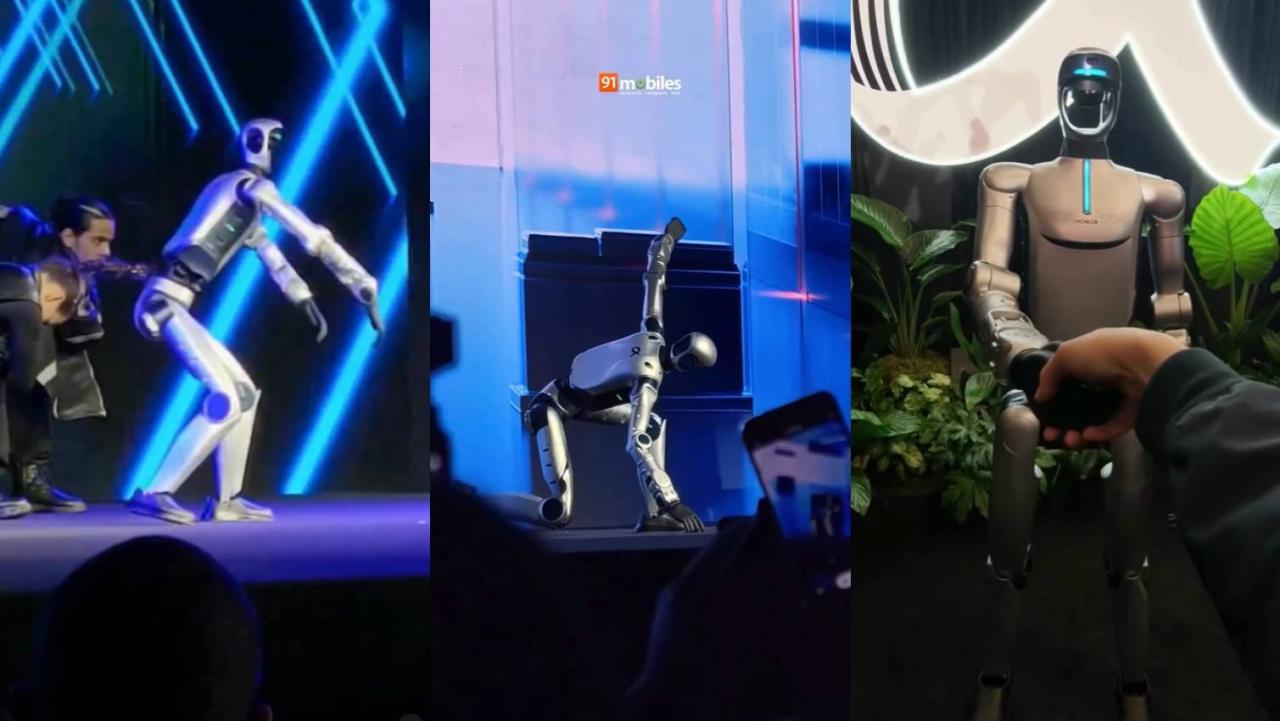
The Indonesia robot martial arts stunt of 2026 serves as a fascinating case study in the intersection of technology, entertainment, and public perception. What began as a staged demonstration designed to showcase a robot’s capabilities became a viral sensation that sparked global conversations about AI safety, robotics ethics, and the future of human-machine interaction.
The incident reveals several important truths about our current moment in technological history:
A. Robots Are Becoming More Capable: The Unitree G1’s ability to perform complex martial arts movements demonstrates how far humanoid robotics has advanced in recent years.
B. Public Perception Matters: How people perceive and react to robotics technology can have significant implications for adoption, regulation, and investment.
C. Cultural Integration Is Key: The success of robotics in any country depends on making the technology relevant to local contexts and cultures.
D. Responsible Innovation Is Essential: As robots become more integrated into daily life, developers, businesses, and regulators must work together to ensure safety, transparency, and ethical deployment.
Indonesia stands at the forefront of this robotics revolution. Through initiatives like “Making Indonesia 4.0,” competitions like KRAI, and partnerships with global leaders like AGIBOT and Unitree, the country is positioning itself as a significant player in the global robotics ecosystem.
The viral robot martial arts stunt may have been staged, but the technological capabilities it showcased were very real. As humanoid robots continue to evolve, we can expect to see even more impressive demonstrations of what these machines can achieve and perhaps, more importantly, how they can work alongside humans to build a more productive, efficient, and innovative future.
The year 2026 may be remembered as the moment when Indonesia’s robotics journey captured the world’s attention. Whether through viral videos, national competitions, or strategic industry partnerships, the country is making its mark on the global robotics stage and the best is yet to come.