
The year 2026 will likely be remembered as the pivotal moment when humanoid robots transitioned from science fiction to industrial reality. At the forefront of this paradigm shift stands Jensen Huang, the co-founder and CEO of NVIDIA, who has emerged as the chief architect and most vocal advocate of the coming robotics age. Through a series of landmark announcements, strategic partnerships, and bold predictions delivered on global stages from CES in Las Vegas to Computex in Taipei, Huang has laid out a comprehensive vision that positions NVIDIA not merely as a chip supplier but as the foundational operating system for the physical AI revolution.
This article explores the depth of Huang’s vision, the technological breakthroughs powering this transformation, the strategic partnerships shaping the industry, and the profound economic and societal implications of a world where intelligent machines work alongside humans.
The Visionary: Jensen Huang’s Blueprint for Physical AI
Jensen Huang’s confidence in the imminent arrival of humanoid robotics is both bold and strategically grounded. When asked during a Q&A session at CES 2026 about the timeline for robots achieving human-level capabilities, Huang’s response was characteristically succinct and definitive: “This year”. This was not mere corporate optimism; it was a declaration backed by NVIDIA’s technological roadmap and its dominant position in the AI ecosystem. Huang promised the world would see “some pretty amazing things,” signaling that the industry was on the cusp of a breakthrough.
Huang’s optimism is inextricably linked to NVIDIA’s corporate interests. The company dominates the AI chip market, and its continued success depends on the expansion of AI into new domains. As AI moves from the digital confines of data centers and chatbots into the physical world, the demand for NVIDIA’s computational power for training, simulation, and real-time inference will skyrocket. His vision is for NVIDIA to become the central nervous system of this new physical AI era.
At the heart of this vision is the concept of “Physical AI.” During his CES 2026 keynote, Huang declared that AI had entered the “Physical AI” era. This represents a monumental shift from software that processes information to software that interacts with and manipulates the physical environment. Humanoid robots, with their human-like form factor, are the ideal vessels for this new form of intelligence because they can navigate environments built for humans and use tools designed for human hands.
Solving the Industry’s Biggest Problem: The Isaac GR00T Reference Design
One of the most significant hurdles in the robotics industry has been the fragmented and siloed nature of development. Companies like Tesla, 1X, Figure, Apptronik, and Agility have each been building their own bodies, training their own models, and writing their own control software from scratch. This leads to redundant effort, slow progress, and prohibitively high barriers to entry. As Huang noted, “For agentic systems, robotic systems and physical AI, data is the hardest problem”.
NVIDIA’s solution to this fragmentation is the Isaac GR00T Reference Humanoid Robot, announced during Huang’s keynote at GTC Taipei on June 1, 2026. This is not just another robot; it is a complete, validated blueprint that other companies and research institutions can use as a foundation.
To understand the significance of this move, it is helpful to draw a parallel with the history of the smartphone industry. Before Android, the phone market was a chaotic landscape of proprietary operating systems and fragmented hardware. Google provided a free, open-source operating system that any manufacturer could use, which standardized the industry, accelerated innovation, and allowed Google to shape the entire market. As one industry observer noted, “By supplying the operating system that every manufacturer built on, Google came to shape the whole phone market from underneath”. NVIDIA is attempting to make the same play in robotics. By providing a standardized “brain” (software and compute) and a reference “body” (hardware), NVIDIA is positioning itself as the Android of robotics.
A. The Architecture of the Isaac GR00T Reference Design
The Isaac GR00T Reference Humanoid Robot is a state-of-the-art platform that integrates cutting-edge hardware and software into a single, unified system. Its key components are:
-
The Body (Unitree H2 Plus Chassis): The robot stands approximately 1.8 meters (nearly 6 feet) tall and weighs about 68 kilograms (150 pounds). The chassis provides 31 degrees of freedom (DOF) across the body, allowing for human-scale testing and a wide range of motion.
-
The Hands (Sharpa Wave Tactile Five-Finger Hands): Perhaps the most critical component for dexterous manipulation, the robot is equipped with dual Sharpa Wave hands. Each hand offers 22 degrees of freedom, bringing the robot’s total to 75 DOF. These hands are equipped with high-resolution digital tactile arrays, enabling the robot to sense touch and pressure, a capability Huang identified as one of the hardest challenges to solve.
-
The Brain (NVIDIA Jetson AGX Thor T5000): This onboard compute module is the robot’s central nervous system. It features an NVIDIA Blackwell GPU capable of delivering 2,070 FP4 teraflops of AI performance, a 14-core Arm CPU, and 128GB of unified memory. This immense computational power allows the robot to process sensor data, run complex AI models, and make decisions in real-time.
-
The Software (NVIDIA Isaac GR00T Platform): The reference design comes pre-loaded with NVIDIA’s Isaac GR00T open software and models. This includes tools for simulation, training, and deployment, creating an end-to-end workflow for robot development.
Huang jokingly noted that the robot’s dimensions were “similar to my own,” humanizing the machine and emphasizing its role as a human-scale collaborator. The reference design is expected to be available for purchase from Unitree in late 2026, and leading research institutions including Stanford University, ETH Zurich, and UC San Diego have already committed to using the platform.
Strategic Partnerships: Building an Ecosystem
NVIDIA’s strategy extends far beyond building its own robots. The company is actively cultivating a vast ecosystem of partners, spanning hardware manufacturers, automotive giants, and research institutions. This collaborative approach is essential for accelerating the adoption of robotics across industries.
B. Key Partnerships and Collaborations
-
Unitree Robotics: The Chinese firm Unitree is NVIDIA’s primary hardware partner for the Isaac GR00T reference design, providing the H2 Plus humanoid chassis. This partnership leverages Unitree’s manufacturing expertise and NVIDIA’s AI prowess to create a commercially viable robot.
-
Sharpa: This Singapore-based startup provides the dexterous, five-fingered tactile hands for the reference robot. Sharpa’s founder, David Li, stated that the partnership is “a meaningful step toward deploying robots that can perform real work, in real settings”.
-
Hyundai Motor Group: NVIDIA has significantly deepened its alliance with Hyundai, with a focus on bringing physical AI and robotics from the lab to the factory floor. Huang praised Hyundai’s manufacturing capabilities, stating, “Hyundai is incredible at manufacturing, incredible at mobility, incredible at heavy industries, manufacturing at extremely large scales”. The partnership includes building AI factories powered by NVIDIA’s Blackwell infrastructure and working with Hyundai’s robotics subsidiary, Boston Dynamics. Huang stated that the two companies are getting “very very close” to industrializing robotics.
-
LG Group: In a move that underscores the breadth of NVIDIA’s ambition, the company announced a strategic partnership with LG Group to build a global AI factory. This collaboration spans robotics, autonomous driving, data center technology, and GPU cloud services, integrating AI model development, physical AI data generation, robot simulation, and digital twins into a unified workflow.
-
Global Robotics Leaders: NVIDIA is also working with a wide array of robotics companies, including ABB Robotics, AGIBOT, Agility, Boston Dynamics, CMR Surgical, FANUC, and Figure. The company has stated it plans to work with humanoid makers in the United States, Europe, and South Korea.
The Economic and Societal Impact: A Multitrillion-Dollar Opportunity
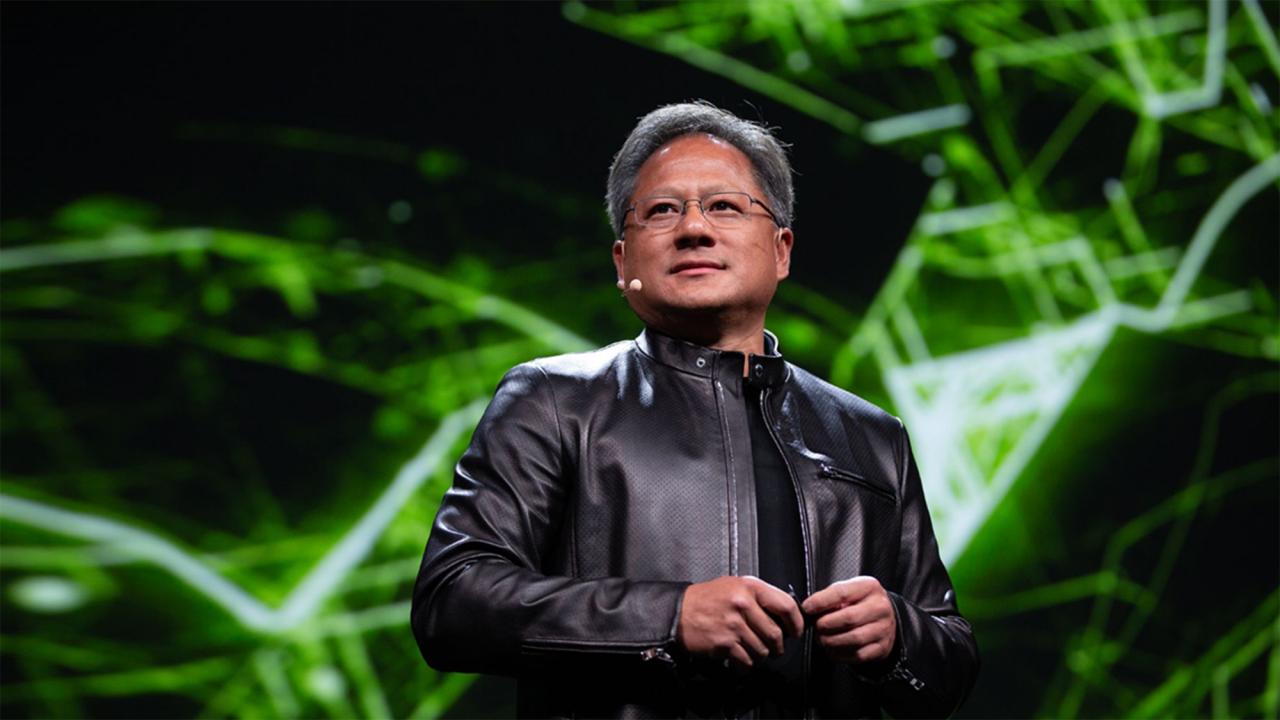
Huang has consistently framed the adoption of humanoid robots as a “multitrillion-dollar economic opportunity”. This is not hyperbole; the potential applications for humanoid robots span nearly every sector of the global economy. The global humanoid robot market is projected to grow from an estimated $4.2 billion in 2026 to $160 billion by the mid-2030s. The humanoid robot GPU market alone is expected to grow from $96.82 million in 2025 to $978.32 million by 2031, a compound annual growth rate of 36.84%.
The primary driver of this growth is not technological novelty but a fundamental demographic crisis. The global population is aging, and birth rates are declining in many regions, leading to a severe labor shortage. Huang estimated that the worker shortage reaches “tens of millions,” not thousands. This shortage is hampering manufacturing, logistics, and other essential industries.
Huang’s response to this crisis is both pragmatic and provocative. He has described robots as “AI immigrants”. “We need more AI immigrants to help us on manufacturing floors and do work that maybe we’ve decided not to do anymore,” he said. This framing is deliberate. It casts robots not as invaders that will steal jobs but as welcome newcomers that will fill critical gaps in the labor force.
C. The Impact on Employment
Perhaps the most significant concern surrounding the rise of robotics is the potential for mass job displacement. Huang directly challenged this fear, stating emphatically, “Having robots will create jobs”. He argued that demographic trends demand automation rather than threaten employment. As the population shrinks in many regions, there simply will not be enough human workers to fill all the necessary roles.
Huang’s argument is that the “robotic revolution” will not replace human labor but will complement it. Robots will take over dangerous, undesirable, or physically demanding tasks, allowing human workers to transition to safer, higher-skilled roles like robot operation, maintenance, and supervision. This will boost economic productivity and growth. “When the economy grows, we hire more people,” Huang explained. He acknowledged that “some jobs will be eliminated,” but maintained that “many new jobs will be created”. This perspective aligns with other Silicon Valley leaders, particularly Elon Musk, who frequently cites population decline as a reason to embrace automation.
Overcoming Technical Hurdles
While Huang’s vision is ambitious, he is not blind to the significant technical challenges that remain. He has candidly acknowledged several key areas where progress is still needed.
D. Technical Challenges and Solutions
-
Fine Motor Skills: Huang identified fine motor skills, particularly in the hands, as “extremely hard”. “The motor technology is hard. We don’t just use our eyes. We also use touch. And the robot only has eyes, so it needs to have touch,” he explained. The integration of Sharpa’s tactile hands into the Isaac GR00T design is a direct attempt to address this challenge by providing robots with a sense of touch.
-
Locomotion: While progress has been rapid, most robots still move with a mechanical, measured gait. Huang expects the limits in gross movement and locomotion to be overcome first, followed by grasping and, finally, fine-tuned dexterity.
-
Simulation and Training: To train robots for the complexities of the real world without the risk of damaging expensive hardware, NVIDIA has developed the Cosmos platform. This AI platform uses generative models to create realistic, physics-aware virtual environments where robots can be trained and tested at scale. Cosmos is designed to provide the “data and simulation backbone” for physical AI systems.
-
Safety: As robots begin to work alongside humans, safety is paramount. NVIDIA has introduced “Halos for Robotics,” a full-stack safety system designed to provide machines with a unified architecture for sensing, deciding, and acting, preventing accidents in shared workspaces.
The Future is Now
Jensen Huang and NVIDIA are not merely predicting the future; they are actively building it. The announcements made in 2026 mark a definitive turning point. The robotic revolution is no longer a distant prospect; it is an unfolding reality.
E. Key Takeaways from NVIDIA’s Robot Revolution
-
Standardization is Key: The Isaac GR00T reference design is a masterstroke that will democratize robotics, allowing countless companies and researchers to build on a shared foundation.
-
Physical AI is the Next Frontier: AI is moving from the digital world to the physical world, and humanoid robots are the primary vehicles for this transformation.
-
Partnerships are Essential: NVIDIA is building a vast ecosystem of partners, ensuring its technology becomes the industry standard.
-
Robots will Augment, Not Replace, Humans: Huang’s vision is that robots will solve labor shortages, boost the economy, and create new jobs, not destroy them.
Conclusion
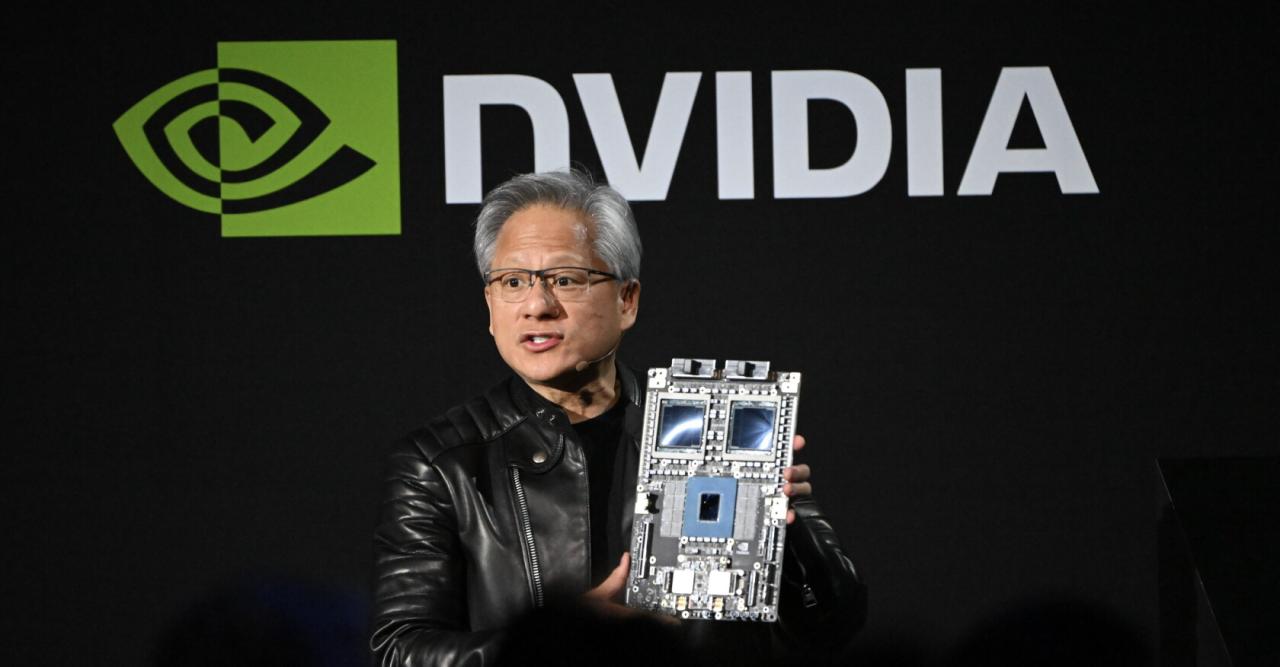
Jensen Huang, with his characteristic leather jacket and visionary pronouncements, has become the face of the robot revolution. His bold prediction that humanoid robots with human-level capabilities would arrive in 2026 was not a mere aspiration but a strategic roadmap for NVIDIA and the entire tech industry. Through the introduction of the Isaac GR00T reference design, strategic partnerships with industry giants like Hyundai and LG, and the development of platforms like Cosmos for simulation, NVIDIA is providing the foundational technology for a new era of physical AI.
The world is on the brink of a profound transformation. Humanoid robots are set to become the “AI immigrants” that will shore up our aging workforce, boost our economies, and reshape our industries. The challenges are significant, from perfecting fine motor skills to ensuring safety, but as Huang has demonstrated, the momentum is unstoppable. The robot revolution is here, and NVIDIA is leading the charge.