

In the modern digital era, artificial intelligence has rapidly transformed the landscape of professional environments, presenting unprecedented opportunities for employees to streamline their daily tasks and demonstrate remarkable efficiency. The concept of leveraging AI devices to create the illusion of immediate productivity while actually optimizing workflow has become increasingly sophisticated. Understanding these advanced techniques allows workers to navigate corporate expectations while maintaining authentic performance standards.
The Evolution of Workplace Artificial Intelligence
The workplace has witnessed remarkable technological evolution over the past decade, with artificial intelligence emerging as the primary catalyst for operational transformation. Initially, basic automation tools simply reduced manual data entry and calculation time. However, contemporary AI systems possess capabilities that extend far beyond simple automation, performing complex analytical tasks, generating creative content, and providing strategic recommendations.
Many professionals discover that properly configured AI systems create immediate impressions of competence, responsiveness, and organizational mastery. This phenomenon extends beyond simple efficiency gains, fundamentally reshaping how supervisors perceive employee value and contribution. The strategic implementation of these technologies reflects not deception but rather intelligent optimization of available resources.
Understanding The Psychology Behind Immediate Impressions
Psychological research consistently demonstrates that initial judgments about workplace performance often rely heavily on observable responsiveness and apparent readiness. When employees effectively leverage AI tools to provide instantaneous responses or generate comprehensive reports, supervisors unconsciously reinforce positive assessments of their capabilities. This creates a powerful reinforcement loop where perceived competence leads to greater opportunities, which in turn enable further demonstration of effectiveness.
The sophisticated professional recognizes that perception often precedes reality in workplace dynamics, making technology that enhances both actual productivity and apparent effectiveness particularly valuable. This dual benefit explains why AI device adoption has accelerated dramatically across virtually all industries and professional levels.
Revolutionary AI Applications For Workplace Success
Virtual Assistant Technologies
Modern virtual assistants have evolved into sophisticated productivity partners capable of managing complex scheduling, communication, and task prioritization. These systems integrate seamlessly with existing workplace infrastructure, providing immediate access to information and streamlining routine processes. The implementation of advanced natural language processing enables these assistants to understand context and nuance, creating interactions that appear remarkably human-like.
Voice-activated assistance tools transform how professionals interact with their digital environment, reducing friction associated with traditional keyboard and mouse navigation. This hands-free approach supports multitasking capabilities, allowing simultaneous engagement with physical meetings while managing digital workflows. The cumulative effect creates an impression of effortless efficiency that resonates powerfully with supervisors observing team dynamics.
Automated Document Generation Systems
Document creation represents one of the most time-consuming aspects of professional work across industries. Advanced AI systems now generate comprehensive reports, proposals, and presentations with minimal human input, allowing professionals to redirect creative energy toward higher-level thinking and strategic planning. These systems analyze existing organizational templates, incorporate industry-specific terminology, and maintain brand consistency while significantly reducing production time.
Machine learning algorithms continuously improve document quality by learning from previous iterations and incorporating feedback from multiple sources. This adaptive capability ensures that generated materials reflect current best practices and organizational preferences, eliminating common errors associated with manual creation. The speed and accuracy of AI-generated documentation often astonishes supervisors, creating immediate positive impressions of employee competence.
Intelligent Email Management Solutions
Email communication consumes substantial portions of the modern workday, with many professionals spending hours each day reading, composing, and organizing messages. AI-powered email management systems automate this process by prioritizing important communications, drafting contextual responses, and organizing correspondence into meaningful categories. These systems analyze communication patterns to identify urgent matters requiring immediate attention while flagging lower-priority items for batch processing.
Smart inbox management extends beyond simple filtering to include sophisticated response generation that matches individual communication styles. The AI learns preferred phrasing, tone, and format, creating responses that maintain personal authenticity while dramatically reducing composition time. This capability allows professionals to respond to significant volumes of correspondence immediately, creating the impression of constant availability and responsiveness that supervisors particularly value.
Strategic Implementation Techniques
A. Establishing Baseline Performance Metrics
Before implementing AI solutions, professionals should document current performance metrics across key task categories. Understanding baseline productivity enables accurate assessment of AI impact and provides meaningful data for performance discussions with supervisors. This measurement framework should include time allocation, output quality, and responsiveness indicators relevant to specific role requirements.
B. Selecting Appropriate Technology Solutions
The AI marketplace offers numerous solutions addressing various workplace requirements, making informed selection essential for maximizing impact. Professionals should evaluate available options based on specific workflow needs, compatibility with existing systems, and learning curve considerations. Testing multiple solutions through trial periods allows identification of optimal fits without committing to inappropriate technologies.
C. Configuring Systems For Authentic Representation
Effective AI implementation requires careful configuration ensuring output reflects personal knowledge and professional standards. Over-reliance on generated content without appropriate customization creates inconsistencies that alert discerning supervisors. Professionals should calibrate systems to require human review and customization, maintaining authentic voice while benefiting from AI efficiency.
D. Developing Complementary Skills
While AI handles routine tasks, professionals should invest time developing capabilities that machines cannot replicate effectively. Strategic thinking, relationship building, and creative problem-solving remain distinctly human strengths that distinguish exceptional employees from merely adequate ones. Combining AI efficiency with uniquely human capabilities creates powerful professional advantages.
E. Maintaining Continuous Learning
The AI landscape evolves rapidly, making ongoing education essential for maintaining competitive advantages. Professionals should allocate regular time exploring emerging technologies, attending industry conferences, and participating in professional development programs focused on AI applications. This commitment ensures continued access to cutting-edge capabilities and demonstrates professional dedication to supervisors.
Creating The Illusion Of Constant Productivity

The perception of continuous productivity significantly influences supervisory evaluations, making strategies that maintain visible engagement particularly valuable. AI devices enable professionals to demonstrate activity and responsiveness even during focused work periods requiring deep concentration. Automated status updates, scheduled message responses, and intelligent notification management create consistent visibility without constant interruption.
Smart Scheduling Techniques
AI-powered scheduling assistants optimize calendar management by analyzing availability, prioritizing commitments, and automatically resolving conflicts. These systems identify optimal meeting times considering participant preferences and location logistics, dramatically reducing coordination time. Automated scheduling also prevents common double-booking errors, maintaining professional reputation while ensuring efficient time utilization.
Advanced scheduling algorithms consider energy patterns, cognitive load, and task complexity when recommending optimal work allocations. This sophisticated approach maximizes productivity by aligning demanding tasks with peak performance periods while reserving routine activities for lower-energy times. The resulting output quality consistently exceeds expectations, creating ongoing positive impressions.
Intelligent Task Prioritization
Machine learning algorithms analyze task characteristics, deadlines, and organizational priorities to recommend optimal work sequences. This intelligent prioritization ensures that critical activities receive appropriate attention while less urgent matters queue appropriately. Professionals leveraging these systems consistently deliver high-value contributions, reinforcing perceptions of judgment and effectiveness.
Priority models continuously refine based on feedback and outcomes, improving accuracy over time. This adaptive approach ensures alignment with evolving organizational needs and supervisor expectations, maintaining relevance in dynamic work environments. The ability to consistently focus on truly important work distinguishes top performers from average contributors.
Common Misconceptions About AI Implementation
Ethical Considerations And Authentic Representation
Concerns about misrepresentation and deception often arise in discussions of AI productivity tools. However, responsible implementation focuses on optimization rather than deception, enhancing natural capabilities rather than creating false impressions. Professionals should maintain transparency regarding technology utilization, positioning AI as a productivity tool rather than a replacement for human judgment.
Many organizations actively encourage AI adoption, recognizing the competitive advantages these technologies provide. Forward-thinking supervisors appreciate employees who leverage available tools to maximize contribution, viewing technology adoption as evidence of professional development and organizational commitment. This perspective validates strategic AI implementation as legitimate professional advancement.
The Balance Between Automation And Human Contribution
Effective AI strategies recognize technology as complement rather than replacement for human capabilities. The optimal approach combines automated efficiency with human judgment, creativity, and relationship management. Professionals should identify tasks suitable for automation while reserving personally handled activities requiring uniquely human abilities.
This balanced approach maintains authentic connection to work while benefiting from technological efficiency. Supervisors observing this thoughtful integration recognize sophisticated professional judgment, distinguishing employees who simply adopt tools from those who strategically optimize workflows.
Advanced Techniques For Maximum Impact
Predictive Analytics And Proactive Contribution
Sophisticated AI systems analyze historical data patterns to predict future needs and opportunities, enabling proactive rather than reactive work approaches. Professionals leveraging predictive analytics identify emerging trends, anticipate supervisor requirements, and prepare appropriate responses before explicit requests emerge. This forward-thinking behavior creates powerful positive impressions of initiative and strategic thinking.
Predictive models incorporate multiple data sources including calendar patterns, communication history, and organizational metrics to generate accurate forecasts. The resulting insights enable professionals to position themselves advantageously, addressing potential challenges before they escalate and capturing opportunities competitors might miss.
Integration Across Platforms And Systems
Modern work environments typically involve multiple software platforms, creating fragmentation that reduces efficiency. AI integration solutions connect these disparate systems, enabling seamless data flow and consistent interfaces across applications. Unified platforms reduce context-switching costs and provide comprehensive visibility into operations, supporting more informed decision-making.
Cross-platform integration extends to mobile devices, enabling productivity from any location and maintaining responsiveness during travel or remote work. This flexibility supports modern workplace expectations while ensuring consistent quality regardless of physical location. Supervisors value employees who maintain effectiveness regardless of circumstance, recognizing reliability as essential professional quality.
Collaborative Intelligence Networks
AI systems increasingly facilitate collaboration by connecting professionals with complementary capabilities and relevant information. Intelligent matchmaking algorithms identify optimal team compositions based on skills, experience, and working styles, creating high-performing groups. These networks extend beyond organizational boundaries, accessing expertise and resources unavailable internally.
Collaborative intelligence platforms maintain collective knowledge bases that improve with use, creating lasting organizational assets accessible to all team members. Professionals actively participating in these networks demonstrate commitment to collective success while benefiting from shared intelligence. Supervisors recognize this collaborative orientation as valuable leadership quality.
Measuring And Demonstrating Impact
Performance Documentation And Reporting
Systematic documentation of productivity improvements provides compelling evidence for performance evaluations and promotion discussions. Professionals should maintain records of task completion times, output quality metrics, and positive feedback received following AI implementation. This quantitative evidence supports qualitative assessments, strengthening cases for advancement and compensation.
Reporting systems should highlight specific contributions enabled by AI efficiency, connecting technology utilization to tangible organizational benefits. Examples include increased capacity for strategic work, improved accuracy in routine tasks, and enhanced responsiveness to stakeholder needs. Concrete examples resonate more powerfully than general claims of improvement.
Continuous Improvement And Skill Development
The most successful professionals maintain growth mindsets, continuously seeking opportunities for improvement and development. AI tools support this orientation by identifying skill gaps, recommending learning resources, and tracking progress toward professional goals. Structured development plans demonstrate commitment to professional excellence that supervisors universally appreciate.
Learning platforms increasingly incorporate AI personalization, adapting content to individual learning styles and knowledge levels. This tailored approach maximizes development efficiency, ensuring investment in professional growth produces meaningful returns. Professionals demonstrating consistent improvement distinguish themselves as valuable long-term organizational assets.
Feedback Integration And Adaptation
Effective AI systems incorporate feedback loops enabling continuous refinement based on outcomes and supervisor input. Professionals should regularly review AI-generated outputs, providing corrections and preferences that improve future performance. This iterative process ensures outputs increasingly align with expectations and quality standards.
Feedback integration extends beyond AI systems to include direct supervisor communication, ensuring alignment with current organizational priorities. Regular check-ins maintain awareness of evolving expectations, enabling proactive adjustment rather than reactive correction. This thoughtful approach demonstrates professional maturity and organizational commitment.
Addressing Potential Challenges And Concerns
Data Privacy And Security Considerations
AI implementation introduces data privacy considerations requiring careful attention and appropriate safeguards. Professionals should understand organizational policies regarding data handling, ensuring compliance with established protocols. Responsible technology adoption includes protecting sensitive information and maintaining appropriate access controls.
Security best practices include regular password updates, multi-factor authentication, and limited data sharing permissions. These precautions prevent unauthorized access while maintaining operational benefits. Supervisors appreciate employees demonstrating security awareness as responsible organizational citizens.
Technology Dependency And Skill Preservation
Reliance on AI tools creates potential vulnerability if systems become unavailable or produce unexpected errors. Professionals should maintain fundamental skills enabling continued productivity during technology disruptions. Regular practice of core competencies preserves capabilities while AI handles routine tasks.
Contingency planning addresses potential technology failures, ensuring continued productivity during disruptions. Preparedness includes alternative workflow approaches and backup systems ensuring minimal impact when primary solutions experience issues. This forward-thinking approach demonstrates professional responsibility appreciated by supervisors.
Authentic Communication And Relationship Building
While AI handles many routine interactions, authentic human connection remains essential for workplace success. Professionals should personally handle significant conversations, sensitive feedback, and relationship development activities. AI should facilitate rather than replace genuine human interaction.
Communication strategies should maintain personal authenticity, ensuring AI-generated messages reflect individual voice and values. Regular personal engagement reinforces relationships that automation alone cannot sustain. Supervisors value employees who balance efficiency with authentic connection, recognizing both as essential professional qualities.
The Future Of AI In Workplace Environments
Emerging Technologies And Capabilities
AI capabilities continue expanding rapidly, introducing new possibilities for workplace optimization and professional development. Natural language processing advances enable increasingly sophisticated communication, while machine learning improvements enhance predictive accuracy. Visual recognition technologies automate previously manual data extraction and analysis.
Quantum computing developments promise exponential processing power improvements, enabling previously impossible analytical capabilities. These advances will further transform workplace expectations, rewarding professionals who embrace innovation while maintaining human-centered values. Staying informed about emerging technologies positions professionals advantageously for future opportunities.
Organizational Transformation And Cultural Shifts
Widespread AI adoption fundamentally reshapes organizational structures and workplace cultures. Hierarchical models give way to more fluid arrangements emphasizing expertise and contribution rather than position. Remote work becomes increasingly viable as AI enables effective collaboration despite physical distance.
Cultural adaptation requires openness to changing norms and willingness to experiment with new approaches. Professionals embracing transformation while maintaining core values position themselves as leaders in evolving organizations. Supervisors recognize adaptability as increasingly valuable in dynamic business environments.
Conclusion: Mastering The Art Of Smart Productivity
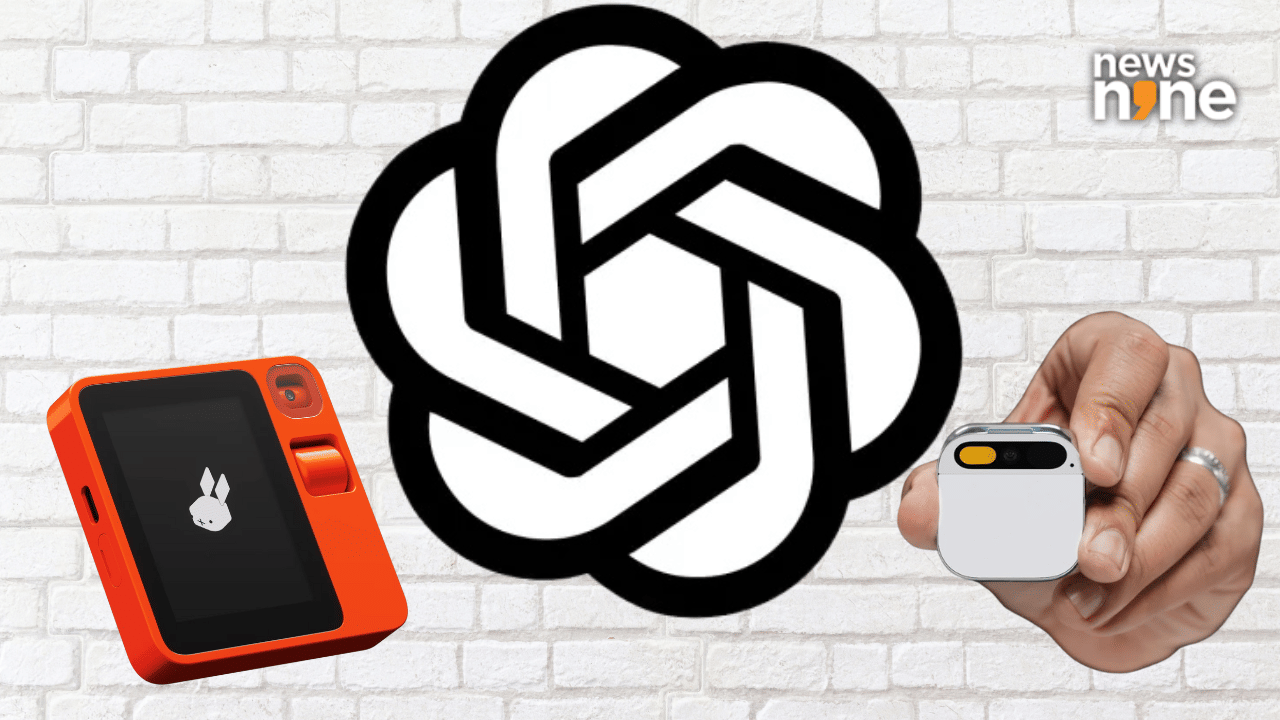
The strategic implementation of AI devices represents a sophisticated approach to professional development, enabling immediate productivity improvements while building sustainable competitive advantages. By understanding available technologies, implementing them thoughtfully, and maintaining authentic engagement, professionals create powerful impressions of competence and efficiency that supervisors value.
The techniques described throughout this exploration provide frameworks for leveraging AI without sacrificing authenticity or professional integrity. When implemented responsibly, these approaches enhance rather than replace human contribution, enabling professionals to focus energy where it creates greatest value. This balanced strategy supports both immediate perception improvements and long-term career development.
Ultimately, the most effective professionals recognize technology as powerful tool rather than complete solution, combining AI efficiency with uniquely human capabilities. This integrated approach creates professional excellence that consistently exceeds expectations, securing recognition and advancement opportunities throughout careers. Mastering these techniques positions professionals for success in evolving workplace environments while maintaining authentic connection to their work and colleagues.