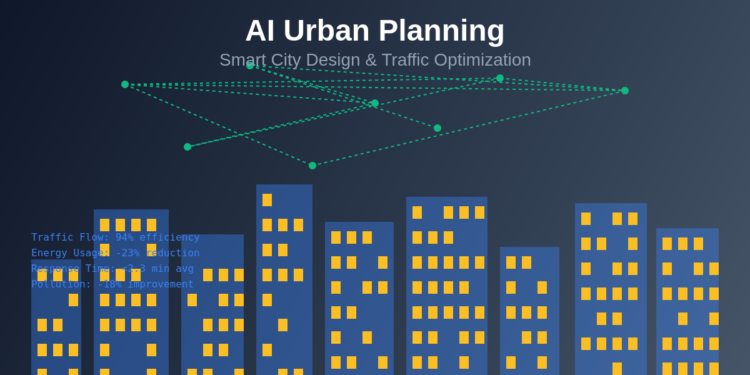
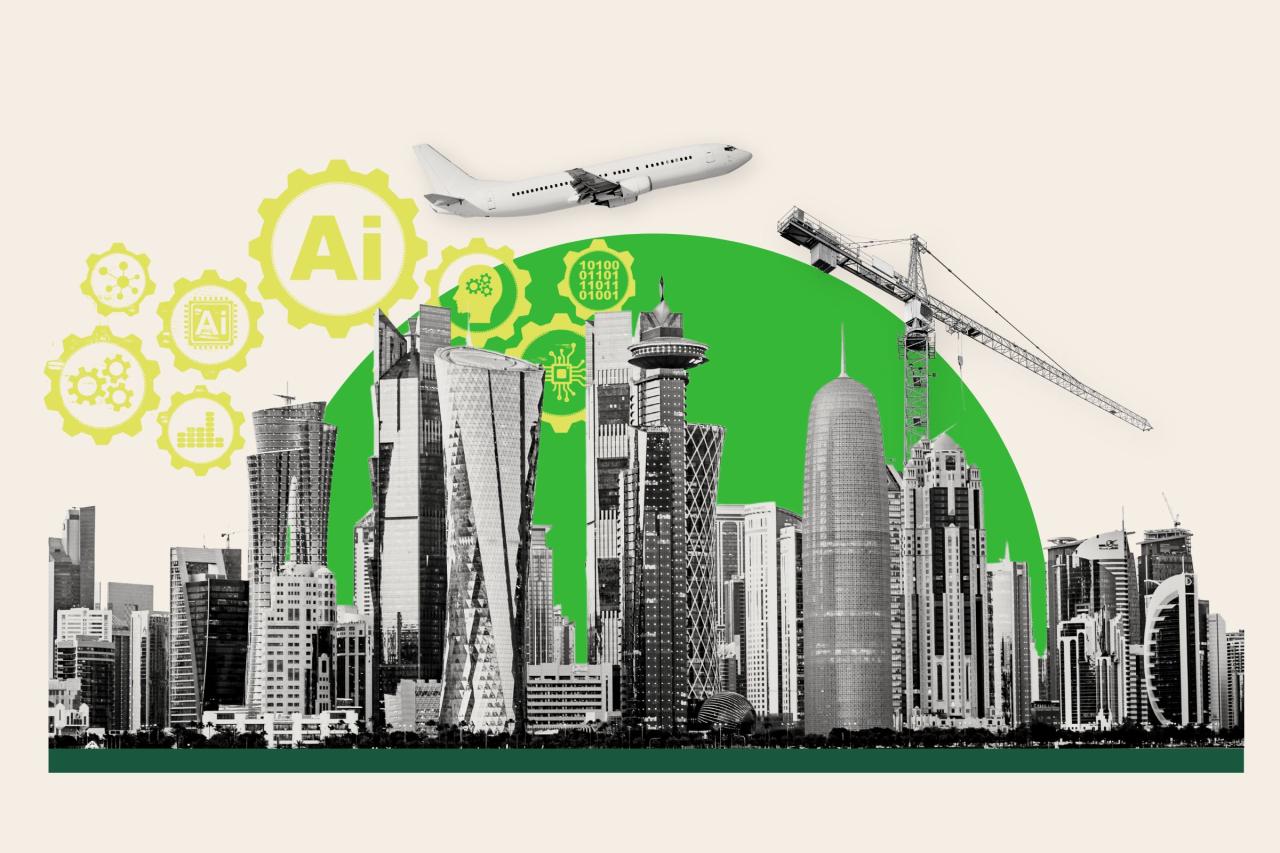
The world is undergoing the most profound urban transformation in human history. By 2050, nearly 70 percent of the global population will reside in cities, placing unprecedented strain on transportation networks, energy grids, public safety systems, healthcare infrastructure, and environmental resources. Traditional approaches to city management reactive, siloed, and heavily dependent on human decision-making are no longer sufficient to address the complexity, scale, and velocity of contemporary urban challenges.
Enter the AI City Brain: a revolutionary paradigm in urban governance that transforms cities from passive collections of infrastructure into living, breathing, cognitive organisms. Much like the human brain processes sensory information to coordinate bodily functions, the AI City Brain ingests billions of real-time data points from across the urban environment, processes them through advanced artificial intelligence algorithms, and orchestrates city operations with a level of precision, speed, and intelligence previously confined to science fiction.
This comprehensive article explores the AI City Brain phenomenon in exhaustive detail from its foundational technologies and evolutionary trajectory to its real-world applications, global implementations, persistent challenges, and transformative potential for the future of human civilization.
Chapter 1: What Is an AI City Brain?
At its essence, an AI City Brain is a large-scale, AI-powered digital platform that resides at the core of a city’s operational infrastructure. It functions as the central nervous system of the urban environment, integrating artificial intelligence, cloud computing, edge infrastructures, massive data lakes, and dynamic response mechanisms. The City Brain enables cities to operate in an adaptive, responsive, and increasingly autonomous manner.
The concept emerged from the recognition that modern cities generate staggering volumes of data through countless sensors, cameras, IoT devices, GPS trackers, and digital transactions. This data, however, remains largely siloed and underutilized. The AI City Brain breaks down these silos, creating a unified platform where data from disparate sources traffic cameras, environmental sensors, public transit systems, emergency services, utilities, and citizen devices can be aggregated, analyzed, and acted upon in real time.
Contemporary urban systems are evolving under the influence of artificial intelligence, advancing beyond mere automation into autonomous agency. Traditional smart city technologies have focused on operational efficiency through human-directed automation. The AI City Brain, however, represents a paradigm shift: AI systems capable of independently formulating and pursuing urban objectives. Urban sensing, enhanced by large language models, enables dynamic goal-setting and strategic adaptation.
Chapter 2: The Evolutionary Journey From Version 1.0 to 3.0
The AI City Brain concept has undergone a remarkable evolution, best exemplified by Hangzhou’s City Brain—the world’s most prominent and mature implementation. Understanding this evolutionary trajectory illuminates the broader trajectory of AI-driven urban governance.
Version 1.0: The Digital Foundation (2016)
In 2016, Hangzhou’s municipal government, in partnership with Alibaba, launched the ET City Brain project with a deceptively simple objective: reduce traffic congestion. The initial version focused on digital governance connecting traffic cameras, vehicle GPS data, and traffic light systems to optimize signal timing and improve traffic flow. The results were immediately impressive. The system increased incident-detection accuracy to more than 92 percent and raised average driving speeds by approximately 15 percent.
What began as a targeted traffic management solution quickly revealed its broader potential. City Brain 1.0 demonstrated that AI could process urban data at scale and generate actionable insights, laying the digital foundation for more ambitious applications.
Version 2.0: Building Large-Scale Urban Management Systems
Building on the success of its initial deployment, City Brain 2.0 expanded its scope dramatically. This version focused on building large-scale urban management systems that spanned multiple domains beyond transportation. The platform integrated real-time city data to enhance urban planning, public safety, and service delivery.
During this phase, City Brain began incorporating digital twin technology—creating virtual replicas of the physical city that could be used for simulation, prediction, and optimization. The water surveillance system, for example, helped prevent floods and urban waterlogging through real-time monitoring and predictive analytics.
Emergency response capabilities were also significantly enhanced. The system could identify the quickest routes for emergency vehicles, coordinate with traffic light control systems, and reduce response times for critical incidents.
Version 3.0: The Intelligent Central Operations Era
March 2025 marked a watershed moment with the launch of City Brain 3.0. This version represents the most ambitious step yet, emphasizing intelligent central operations, advanced digital twins, and comprehensive data-driven governance.
City Brain 3.0 introduced the DeepSeek-R1 model, making Hangzhou one of the first cities in China to integrate AI-driven self-evolving digital intelligence into urban management. The current system integrates 25 comprehensive scenarios and monitors 475 urban health indicators, significantly enhancing city governance efficiency.
Chapter 3: The Technological Architecture How the City Brain Works
The AI City Brain is not a monolithic system but a sophisticated, multi-layered architecture comprising several interconnected components. Understanding this architecture reveals how the City Brain orchestrates urban life with such remarkable efficiency.
A. Sensing and Data Acquisition Layer
The foundation of the City Brain is its pervasive sensing infrastructure. Thousands of cameras, IoT sensors, GPS devices, environmental monitors, and digital transaction systems generate a continuous stream of real-time data. This data encompasses everything from vehicle movements and pedestrian flows to air quality measurements, energy consumption patterns, and emergency service calls.
In Hangzhou, a team of only four officers manages 1,300 signalized intersections, a feat made possible by the City Brain’s comprehensive sensing capabilities. The system sees what human operators cannot, detecting patterns and anomalies across the entire urban landscape simultaneously.
B. Connectivity and Data Integration Layer
Raw sensing data is meaningless without the ability to transmit, store, and integrate it. The City Brain relies on robust connectivity infrastructure including fiber optic networks, 5G, and IoT networks to transport data from edge devices to centralized platforms.
This layer also includes integrated urban data platforms and data lakes that aggregate information from disparate sources. Breaking down data silos is essential; traffic data must be correlated with weather data, emergency response data must be integrated with hospital availability data, and so forth. The City Brain creates a unified view of the city where information flows freely across traditional departmental boundaries.
C. Intelligence and Analytics Layer
The intelligence layer is where the City Brain truly distinguishes itself from earlier smart city initiatives. AI-driven analytics and predictive insights transform raw data into actionable intelligence.
Machine learning algorithms identify patterns, predict future states, and recommend optimal courses of action. For traffic management, the system analyzes vehicle flows, predicts congestion before it occurs, and automatically adjusts signal timing to prevent gridlock. For public safety, AI models assess risk levels across different neighborhoods and allocate police resources proactively.
Contemporary AI City Brains increasingly incorporate large language models (LLMs) and generative AI capabilities. These technologies enable the system to interact directly with citizens through natural language interfaces, providing personalized assistance, answering queries, and even offering mental health support.
D. Response and Orchestration Layer
The final layer translates intelligence into action. The City Brain doesn’t just analyze it orchestrates. Through connections to traffic light control systems, emergency dispatch platforms, utility management systems, and public service portals, the City Brain automatically allocates resources where they are needed most.
This orchestration capability extends to citizen-facing services. AI-powered virtual assistants provide 24/7 legal and administrative guidance. Smart hospital systems allow patients to book appointments from home and make payments through smartphones, eliminating hours of queuing.
Chapter 4: Applications Across Urban Domains

The AI City Brain orchestrates virtually every aspect of urban life. Its applications span multiple domains, each demonstrating the transformative potential of AI-driven urban governance.
A. Transportation and Mobility
Transportation remains the most mature and visible application of City Brain technology. The system optimizes traffic signal timing, reroutes vehicles around congestion, and prioritizes public transit and emergency vehicles. In Hangzhou, average traffic speeds increased by approximately 15.3 percent, while congestion decreased by about 9.2 percent.
Beyond surface transportation, City Brain 3.0 manages low-altitude drone flight paths in real time, enabling the safe integration of aerial mobility into urban airspace. Businesses in Hangzhou have begun applying the platform to low-altitude flight management, road surface risk detection, and chemical transaction management.
B. Public Safety and Emergency Response
Public safety represents one of the most impactful applications of AI City Brain technology. Advanced AI-based public security frameworks have demonstrated remarkable results: reducing emergency response times by 37 percent, decreasing false alarms by 23 percent, achieving a 23.6 percent reduction in urban safety incidents, and improving citizen satisfaction by 18.4 percent.
The City Brain’s computer vision capabilities automatically detect traffic violations, jaywalking, and illegal parking with up to 95 percent accuracy. In December 2025, Hangzhou deployed “Hangxing No. 1,” an AI robot traffic police officer at intersections, capable of identifying cyclists without helmets, vehicles crossing stop lines, and jaywalkers, issuing real-time voice warnings.
C. Healthcare and Public Services
City Brain 3.0 has revolutionized healthcare delivery and public services through AI-powered virtual assistants. Jingxiao’ai, a virtual police officer, provides round-the-clock legal and administrative assistance, guiding residents through tasks like household registration applications. Hanghaomeng, China’s first AI expert in mental health, has already served 1.8 million users, providing online consultations for sleep disorders and other mental health concerns. Yibao’er, an AI system developed by the city’s healthcare bureau, streamlines medical insurance inquiries and transactions.
D. Environmental Monitoring and Sustainability
The AI City Brain has expanded into environmental stewardship, repurposing its surveillance infrastructure to monitor ecological conditions. Local authorities feed drone video, bank cameras, and environmental sensors into the City Brain platform, which flags unusual vessel activity, late-night dredging, and changes in water color along urban canals.
The Survey Smart Guardian system enables real-time monitoring of geological surveys, preventing construction risks. Since its launch, it has processed 1,743 projects and issued 2,434 risk alerts. The system tracks polluting vehicles, analyzes their environmental impact, and generates forecasts and policy recommendations.
E. Economic Development and Industry
Beyond public services, City Brain is driving AI adoption across industries. Companies in Hangzhou are using AI to reduce export costs by 30 percent and facilitate 200 million yuan ($27.5 million) in cross-border data transactions. The platform supports businesses in low-altitude flight management, deep-layer road risk detection, and chemical trade regulation.
Chapter 5: Global Implementation and Comparative Perspectives
While Hangzhou remains the flagship City Brain implementation, the concept has spread globally, with different cities adapting the technology to their unique contexts and priorities.
Hangzhou, China: The Pioneer
Hangzhou has become one of China’s most active test sites for integrating artificial intelligence into public administration. The city’s recognition with the BRICS Sustainable Cities and Communities Award in 2025 underscores its leadership in building a global digital economy hub. The award honored outstanding contributions toward UN Sustainable Development Goals in areas such as smart cities, climate initiatives, AI, and digital healthcare.
Kuala Lumpur, Malaysia: The First Overseas Deployment
Malaysia became the first country to adopt the City Brain solution overseas, through a collaboration between Alibaba Cloud, the Malaysia Digital Economy Corporation (MDEC), and the Kuala Lumpur City Hall (DBKL). The Malaysia City Brain initiative acquires, integrates, and analyzes heterogeneous urban data through video and image recognition, data mining, and machine learning. The first phase focuses on traffic management in Kuala Lumpur, optimizing vehicle flow and traffic signals. The solution also connects with emergency dispatch systems to identify the quickest routes for emergency vehicles.
Singapore: Smart Mobility 2030
Singapore’s Smart Mobility 2030 strategy represents a complementary approach to AI-driven urban transportation. Led by the Land Transport Authority (LTA), the strategy leverages AI as an “invisible capacity” to optimize transport systems through smart traffic management, predictive maintenance, and safer public transit. Singapore processes 50 gigabytes of transport data daily for analytics and has positioned itself as a leader in Mobility-as-a-Service (MaaS).
Seoul, South Korea: Predictive Transportation
Seoul’s TOPIS (Transport Operation and Information Service) system has evolved from a “traffic control tower” to an “urban brain”. The system’s greatest advantage is its predictive capability—the ability to anticipate incidents before they occur.
Chapter 6: Challenges and Critical Considerations
Despite its transformative potential, the AI City Brain faces significant challenges that must be addressed to ensure ethical, sustainable, and equitable deployment.
A. Data Governance and Privacy
The City Brain’s reliance on pervasive sensing and continuous data collection raises profound privacy concerns. Critics highlight risks of mass surveillance, data privacy violations, and algorithmic bias. The vast data lakes that power the City Brain contain sensitive information about citizen movements, behaviors, and activities. Ensuring that this data is collected, stored, and used responsibly is paramount.
While Chinese participants report significant concern for privacy overall, they express less worry about privacy issues specifically related to AI. This paradox suggests that public acceptance may depend on transparency, accountability, and demonstrable benefits.
B. Interoperability and Scalability
Integrating the City Brain with legacy Intelligent Transportation Systems (ITS) and existing urban infrastructure presents technical challenges. Many cities have decades-old systems that were not designed for interoperability. Retrofitting these systems or replacing them entirely requires substantial investment and careful planning.
Scalability is another concern. While the City Brain has proven effective in Hangzhou, replicating its success in different contexts with different institutional structures, regulatory environments, and technological baselines is not guaranteed.
C. Algorithmic Bias and Fairness
AI systems are only as unbiased as the data they are trained on. If training data reflects historical inequities unequal policing patterns, uneven infrastructure investment, or socioeconomic disparities the City Brain may perpetuate or even amplify these inequities. Ensuring fairness requires ongoing monitoring, diverse stakeholder involvement, and mechanisms for accountability and redress.
D. Governance and Human Oversight
As AI City Brains evolve from automation to agency, questions of governance become increasingly urgent. Agentic Urban AI systems capable of independently formulating and pursuing urban objectives—challenge traditional governance frameworks. Who is accountable when an AI system makes a decision with negative consequences? How do citizens participate in decisions made by algorithms? These questions demand new regulatory, ethical, and planning frameworks.
E. Digital Divide and Equity
The benefits of AI City Brain technology may not be evenly distributed. Communities with limited digital access, lower technological literacy, or less political influence may be excluded from the benefits or disproportionately exposed to the risks. Ensuring equitable AI integration requires participatory governance and proactive measures to bridge the digital divide.
Chapter 7: The Future Toward Agentic Urban AI
The trajectory of AI City Brain development points toward increasingly autonomous urban governance. Contemporary urban systems are transitioning from smart automation toward operational autonomy. Agentic Urban AI AI systems capable of independently defining and pursuing urban objectives represents the next frontier.
This evolution demands a reassessment of regulatory, ethical, and planning frameworks to ensure equitable and sustainable AI integration in urban environments via participatory governance and proactive regulation. Scholars have proposed typologies distinguishing automation, autonomy, and agency, with findings suggesting AI-driven urban ecosystems with partial decision-making autonomy will necessitate a transformative shift in governance.
Research identifies early agency indicators, such as goal reprioritization, where AI systems adjust their objectives based on changing circumstances without human intervention. As these capabilities mature, the relationship between human decision-makers and AI systems will evolve from supervision toward collaboration and, eventually, delegation.
The convergence of City Brain technology with urban digital twins, smart urban metabolism, and platform urbanism promises even more integrated and intelligent urban governance. These systems working in concert will enable cities to anticipate challenges, adapt to changing conditions, and optimize resource allocation with unprecedented efficiency.
Conclusion: The Cognitive City Emerges

The AI City Brain represents far more than a technological upgrade to urban infrastructure. It signals a fundamental reconceptualization of what a city is and how it functions. The city is no longer a passive collection of buildings, roads, and utilities; it is becoming a living, cognitive organism capable of sensing, thinking, and acting in real time.
From its origins as a traffic management experiment in Hangzhou to its current status as a comprehensive urban governance platform, the AI City Brain has demonstrated that AI can orchestrate urban life with remarkable efficiency and effectiveness. The benefits are tangible: faster emergency response, reduced congestion, improved public services, enhanced environmental monitoring, and more efficient resource allocation.
Yet the path forward requires careful navigation. Data privacy, algorithmic bias, governance accountability, and equitable access are not peripheral concerns but central challenges that will determine whether the AI City Brain serves all citizens or exacerbates existing inequities.
As cities around the world confront the pressures of rapid urbanization, climate change, and resource constraints, the AI City Brain offers a powerful tool for building more sustainable, resilient, and livable urban environments. The future of urban living is being written now and it is being orchestrated by artificial intelligence.