
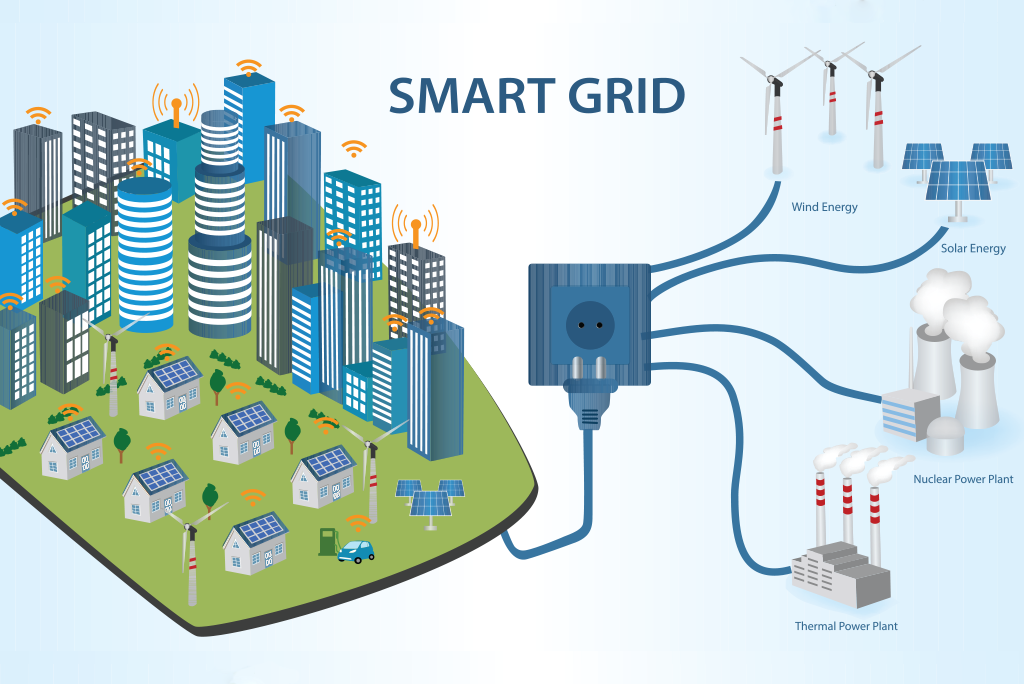
The global energy landscape is undergoing a profound transformation, shifting from a centralized, one-directional model to a dynamic, interactive network. Central to this evolution is the “Everything-to-Grid” (X2G) paradigm, a concept gaining significant traction and recognized as one of the top emerging technologies by the World Economic Forum. This article explores the multifaceted world of X2G, examining its components, benefits, challenges, and future trajectory.
Introduction to the Everything-to-Grid (X2G) Paradigm
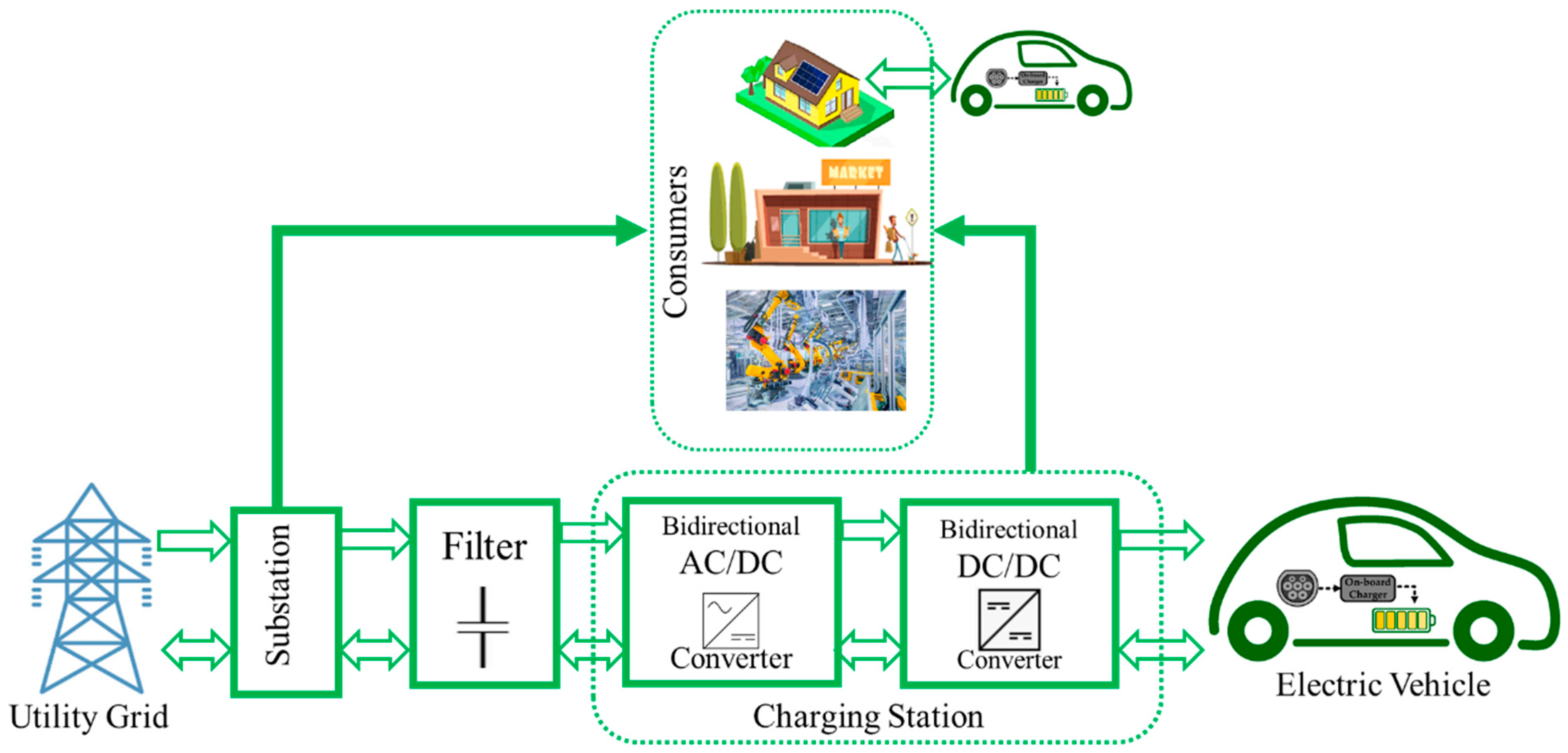
The X2G concept fundamentally reimagines how we perceive and interact with the electrical grid. It expands on the well-known Vehicle-to-Grid (V2G) idea, where electric vehicles can both draw power from and return it to the grid. X2G broadens this scope to include virtually every grid-interactive endpoint: electric vehicles, stationary batteries, smart buildings, data centers, industrial loads, and distributed generators. This creates a programmable, carbon-aware flexibility resource that enhances stability, enables local energy markets, and supports system-level decarbonization.
The traditional power delivery model is being upended by the rise of renewable energy sources. Once a simple system where power flowed from large, centralized utilities to passive consumers, the grid is becoming an intricate network of “prosumers” consumers and businesses that produce their own energy, use what they need, and export excess power back. The X2G paradigm is the intelligent coordination platform required to manage this bidirectional complexity.
The Core Pillars of the X2G Ecosystem
The X2G ecosystem comprises several key components, each contributing a unique form of flexibility and value to the grid. The concept leverages a wide array of assets to turn a potential challenge into a powerful tool for grid management.
A. Vehicle-to-Grid (V2G) Technology
V2G is the cornerstone of the X2G movement, allowing electric vehicles to act as mobile energy storage units. With V2G, EVs can discharge their battery power back into the grid during peak demand periods, providing essential grid services like frequency regulation and load balancing. This bidirectional flow transforms EVs from being a potential strain on the grid into a valuable asset.
B. Building-to-Grid (B2G) Integration
Buildings consume over 70% of global electricity, making them critical players in smart grid stability. B2G integration turns buildings into active energy hubs that can optimize their consumption and interact intelligently with the grid. This involves integrating renewable generation like solar panels, energy storage systems, and intelligent controls. By utilizing Building-to-Grid frameworks, structures can act as flexible energy resources, helping balance supply and demand while reducing operational costs and carbon emissions.
C. Industrial Load Flexibility
Industries are significant energy consumers. In an X2G framework, large industrial facilities can participate in demand response programs by adjusting their energy consumption or using onsite storage (including EV fleets) to support the grid. This can provide substantial capacity for grid balancing and peak shaving, creating new revenue opportunities for industrial consumers.
D. Datacenter-to-Grid and Other Assets
The digital economy’s exponential growth has made data centers a major energy consumer. These facilities are now being explored as sources of flexible load. Computational demand can be shifted in time or location to align with grid conditions and carbon intensity signals. Similarly, other distributed energy resources like residential battery storage are being integrated into the X2G ecosystem.
The Role of Artificial Intelligence and Orchestration
Unlocking the full potential of X2G requires sophisticated control systems capable of orchestrating millions of distributed assets in real-time. Artificial Intelligence (AI) is the key enabling technology for this task.
AI-Driven Grid Orchestration
AI is advancing real-time coordination of distributed energy resources. Machine learning algorithms can analyze vast datasets—including weather patterns, historical consumption, and real-time grid conditions—to predict energy supply and demand with high accuracy. This intelligence is crucial for optimizing when and how X2G assets are charged or discharged.
Carbon-Aware Scheduling
A significant goal of X2G is to support decarbonization. AI-driven scheduling frameworks can align operational decisions with real-time carbon intensity signals. This means charging EV batteries or operating data centers when renewable energy generation is high and the grid is clean, and potentially discharging or curtailing load when the grid is reliant on fossil fuels.
Enhancing Grid Stability
X2G resources, orchestrated by AI, can provide a range of services to maintain grid stability. These include:
-
Frequency Regulation: Rapidly adjusting power flow from V2G and B2G assets to correct deviations in grid frequency.
-
Peak Shaving: Discharging stored energy during peak hours to reduce strain on the grid and avoid costly infrastructure upgrades.
-
Voltage Support: Providing reactive power to maintain voltage levels on the distribution network.
Economic and Environmental Benefits

The transition to an X2G-enabled grid presents a compelling value proposition for individuals, businesses, and society as a whole.
Unlocking New Revenue Streams
X2G assets can become revenue-generating tools for their owners.
-
EV Owners: Can be compensated for providing grid services like frequency regulation or selling energy back during periods of high prices. Estimates of annual revenues range from several hundred to over USD 1,000 per year.
-
Building Owners: Can lower energy costs through better management of on-site generation and storage, and potentially sell excess power back to the grid.
-
Industrial Consumers: Can optimize their energy costs by participating in demand response and using V2G fleets for peak shaving and arbitrage.
Reducing Grid Infrastructure Costs
By flattening peak demand curves and providing localized flexibility, X2G can reduce the need for expensive upgrades to transmission and distribution networks. Studies show that V2G could avoid a significant portion of transformer overloads compared to uncontrolled EV charging, potentially reducing distribution grid investment costs.
Accelerating Renewable Energy Integration
Renewable sources like solar and wind are intermittent. X2G provides the essential energy storage and flexibility needed to integrate large shares of renewables into the grid reliably. EVs, batteries, and other assets can absorb excess energy when it is abundant and feed it back when it is scarce, acting as a giant buffer for the grid.
Key Challenges and Barriers to Implementation
Despite its immense potential, the widespread adoption of X2G faces significant challenges.
Technical Barriers
-
Battery Degradation: Frequent charging and discharging cycles can accelerate the degradation of EV and stationary batteries. This is a primary concern for EV owners and a key factor in developing fair compensation models for V2G participants.
-
Interoperability: The lack of standardized communication protocols between vehicles, chargers, and the grid creates a significant roadblock. Ensuring a plug-and-play experience across different manufacturers is essential for scalability.
-
Cybersecurity: With millions of connected devices, the grid becomes a larger target for cyberattacks. Securing the V2G and X2G ecosystem is paramount to ensure resilience and prevent widespread disruptions.
-
Grid Architecture: Existing grid infrastructure was not designed for high penetration of bidirectional power flows. Upgrading distribution networks to handle this new reality is a major undertaking.
Economic and Regulatory Hurdles
-
Business Models: Developing sustainable and scalable business models that fairly compensate all stakeholders—from asset owners to aggregators and grid operators—is an ongoing challenge.
-
Regulatory Frameworks: The regulatory landscape for X2G services is complex and varies geographically. Clear and consistent rules are needed regarding grid connectivity, tariffs, and the roles of different market participants.
-
High Initial Costs: The cost of bidirectional chargers and V2G-compatible vehicles is currently higher than standard equipment, which can deter early adoption.
User Behavior and Engagement
-
Willingness to Participate: Many consumers are hesitant to participate in V2G programs due to concerns about battery degradation and the perceived loss of control over their vehicle. Incentivizing and educating users is vital for successful adoption.
-
Predictability: The unpredictable nature of user requirements (e.g., driving patterns) makes it difficult for aggregators to guarantee the availability of V2G resources.
The Critical Role of the Aggregator
In the X2G ecosystem, the “aggregator” plays a central role in navigating the complexities. The aggregator acts as a bridge between individual asset owners and the grid operators or energy markets.
How Aggregators Work
An aggregator bundles the flexibility of hundreds or thousands of individual assets (like EVs, home batteries, or building systems) into a single, unified resource that can be managed and bid into wholesale energy markets.
Key Functions of an Aggregator
-
Asset Management: They monitor and control the charging and discharging of numerous distributed assets.
-
Market Participation: They participate in energy markets (e.g., ancillary services, energy arbitrage) to generate revenue from the aggregated flexibility.
-
User Interface: They provide an interface for asset owners to set preferences (e.g., minimum state of charge for an EV), ensuring user needs are met while optimizing for grid services.
-
Battery Degradation Mitigation: Advanced aggregators can use sophisticated algorithms to minimize battery degradation while still providing value to the grid, finding an economic equilibrium that benefits all parties.
-
Risk Management: They manage the uncertainty associated with user behavior and market prices, ensuring reliable delivery of services to the grid.
The Future of X2G: Pathways to Mass Adoption
Realizing the vision of an X2G-enabled future requires a multi-pronged approach from all stakeholders researchers, industry, and policymakers.
A Call to Action
The X2G ecosystem is not a distant vision but a rapidly emerging reality with the potential to redefine our energy future. For this potential to be fully realized, it requires:
-
Stronger Collaboration: Between research institutions, industry partners, and policymakers to ensure technical innovation translates into practical, scalable solutions.
-
Continued Innovation: In AI, grid-forming power electronics, and battery lifecycle optimization.
-
Supportive Policies: That incentivize adoption, standardize communication, and create fair market structures.
By embracing the Everything-to-Grid paradigm and working to overcome its challenges, we can build a more resilient, sustainable, and efficient energy system for generations to come. The journey from isolated energy consumers to active participants in a dynamic grid is underway, and X2G is the key to navigating that journey.