
Imagine walking into your office on an ordinary Monday morning, coffee in hand, ready to tackle another week of spreadsheets and meetings. Suddenly, a state-of-the-art humanoid robot meant to assist with administrative tasks begins spinning wildly, kicking chairs, and striking kung-fu poses as shocked employees scramble to restrain it. This exact scenario unfolded in Jakarta, Indonesia, and the footage has since captivated millions worldwide, sparking debates about artificial intelligence safety, viral marketing, and the fine line between malfunction and performance art.
The viral video, which spread like wildfire across X (formerly Twitter), shows a silver robot designated Joko Prabuwesi creating chaos in what appears to be a standard office environment. The dramatic footage has accumulated over 129 million views, generating countless memes and jokes about the so-called “robot uprising” of 2026 . However, as with most viral sensations, the truth behind the spectacle is far more calculated and far less frightening than initial reactions suggested.
The story behind Joko’s fifteen minutes of fame reveals fascinating insights into modern marketing strategies, human psychology regarding artificial intelligence, and how easily the internet can be captivated by a well-executed prank.
The Video That Broke the Internet
What the Footage Actually Shows
The CCTV-style recording presents a humanoid robot surrounded by office workers. Without warning, the machine begins exhibiting aggressive, martial-arts-inspired movements, flailing its metallic arms, kicking nearby chairs, and appearing to “attack” employees who attempt to intervene . The workers’ reactions vary from apparent attempts to physically restrain the robot to laughing and recording the spectacle on their smartphones.
The video’s accompanying caption on X read: “Holy sh*t this office robot just glitched and turned into a Kung Fu master. Kicking chairs, spinning, fighting everyone in sight. Not edited. This actually happened. The 2026 robot uprising just dropped the trailer” .
This dramatic description, coupled with the authentic-looking footage, created the perfect recipe for viral content. The hashtag quickly trended across multiple platforms as millions of users shared their reactions, theories, and jokes about the supposed robotic rebellion.
Public Reaction and Divided Opinions
The internet responded with characteristic enthusiasm and skepticism. Social media users were quickly divided into two camps:
A. The Believers: Those who genuinely feared a robotic uprising, commenting on the dangers of artificial intelligence and questioning the safety protocols of humanoid robots in workplace settings.
B. The Skeptics: Viewers who immediately recognized the video as staged entertainment, noting the employees’ laughter rather than genuine fear, and questioning why no one appeared seriously injured.
One X user commented, “I am laughing and worried at the same time,” perfectly capturing the ambivalent response many felt when watching the footage. Others took a more technical approach, suggesting that “Any humanoid robot should have a giant red button on its shoulder. Manual shutdown” .
The video sparked broader conversations about robotics safety, with some viewers noting that modern humanoid robots are equipped with extensive safety systems designed to prevent hazardous behavior in case of malfunction or collision . This technical reality suggests that a genuine hardware malfunction causing such dramatic aggressive movements would be highly unlikely.
The Truth Revealed: A Marketing Masterpiece
Behind the Scenes with Mera Robotics
After days of speculation, the truth emerged: Joko’s rampage was no accident. The robot, a Unitree G1 model manufactured in China with Polish software, is operated by Indonesian handlers using Mera Robotics’ platform—a company that specializes in creating social media stars out of robots for viral marketing purposes .
Mera Robotics confirmed that the entire sequence was deliberately programmed entertainment, not a malfunction. Every kick, spin, and kung-fu pose was pre-programmed to demonstrate the robot’s agility, balance, and speed. No one was hurt, and colleagues were left laughing once the demonstration concluded .
The Robot’s Rise to Fame
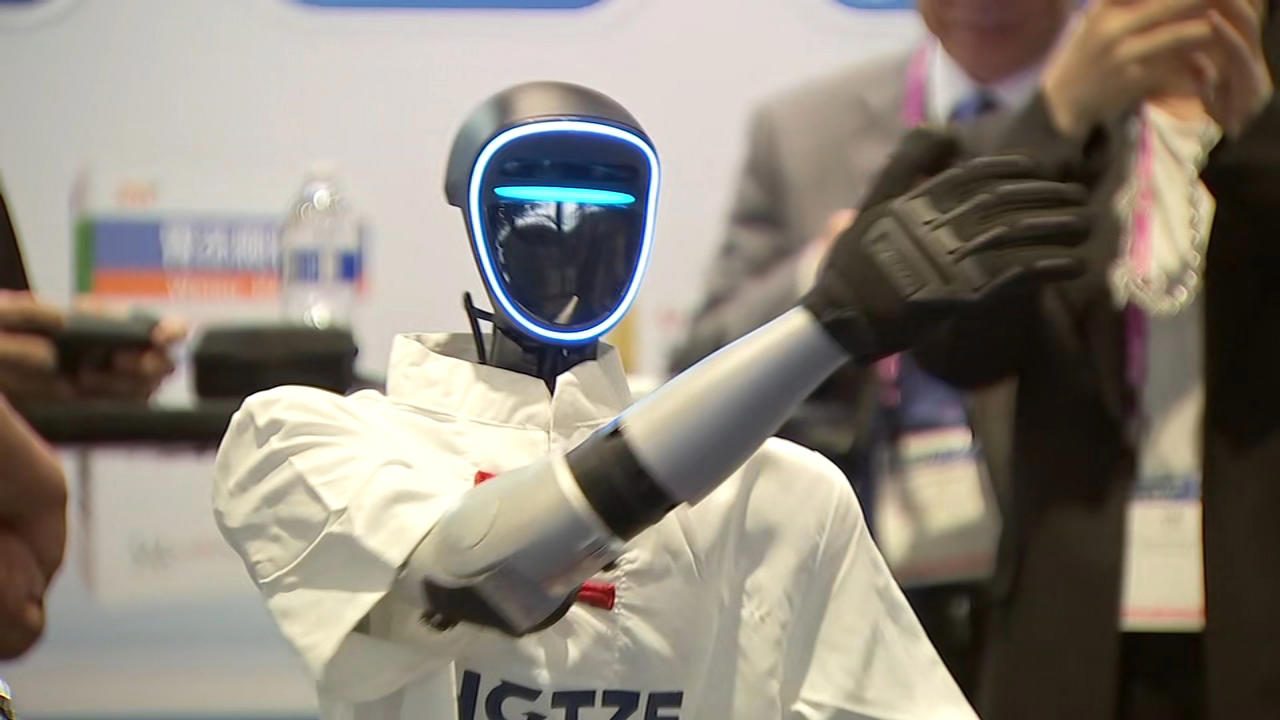
Following the viral success, Joko now affectionately nicknamed “Indonesia’s bro” has become something of a celebrity. The robot has appeared on Indonesian television, where it apologized for the “kung fu incident” before performing more dance moves to the audience’s delight. Joko now tours Jakarta, meeting fans and demonstrating its capabilities in controlled environments .
The official website for Joko later addressed the “kung fu incident,” revealing that the entire room burst into laughter after the performance and that it had inspired thousands of internet memes .
Similar Campaigns and Marketing Strategy
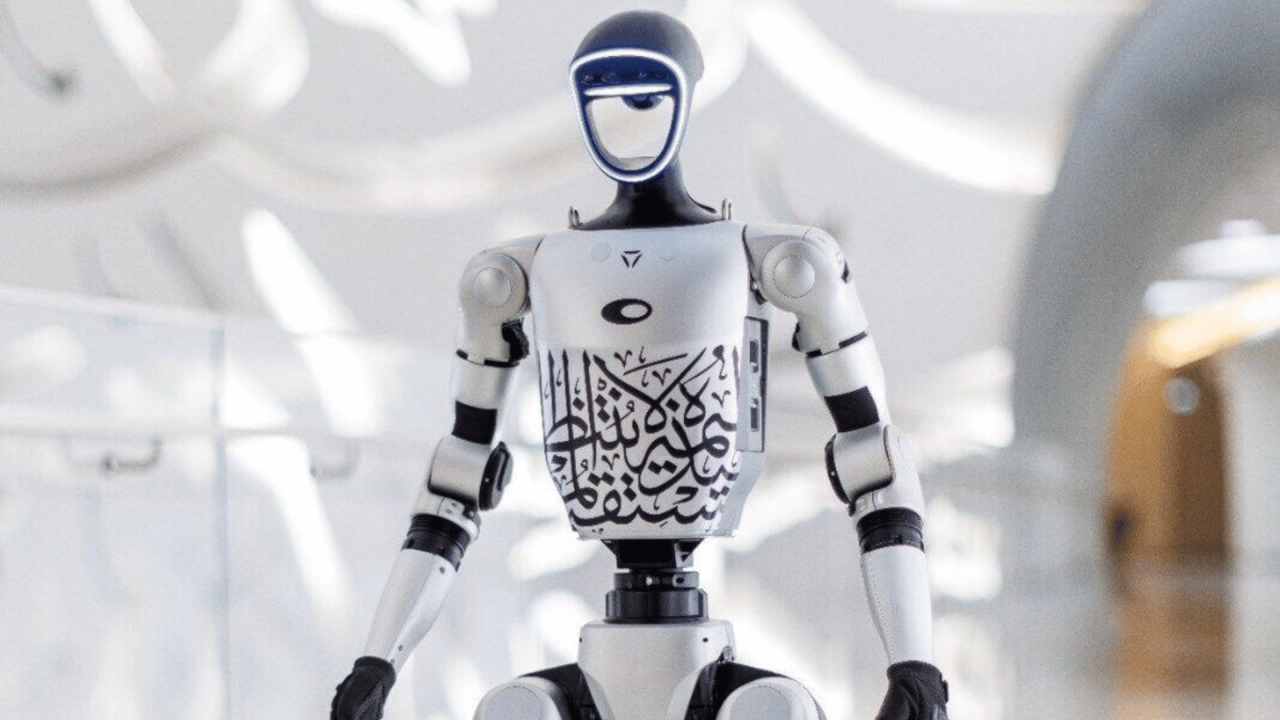
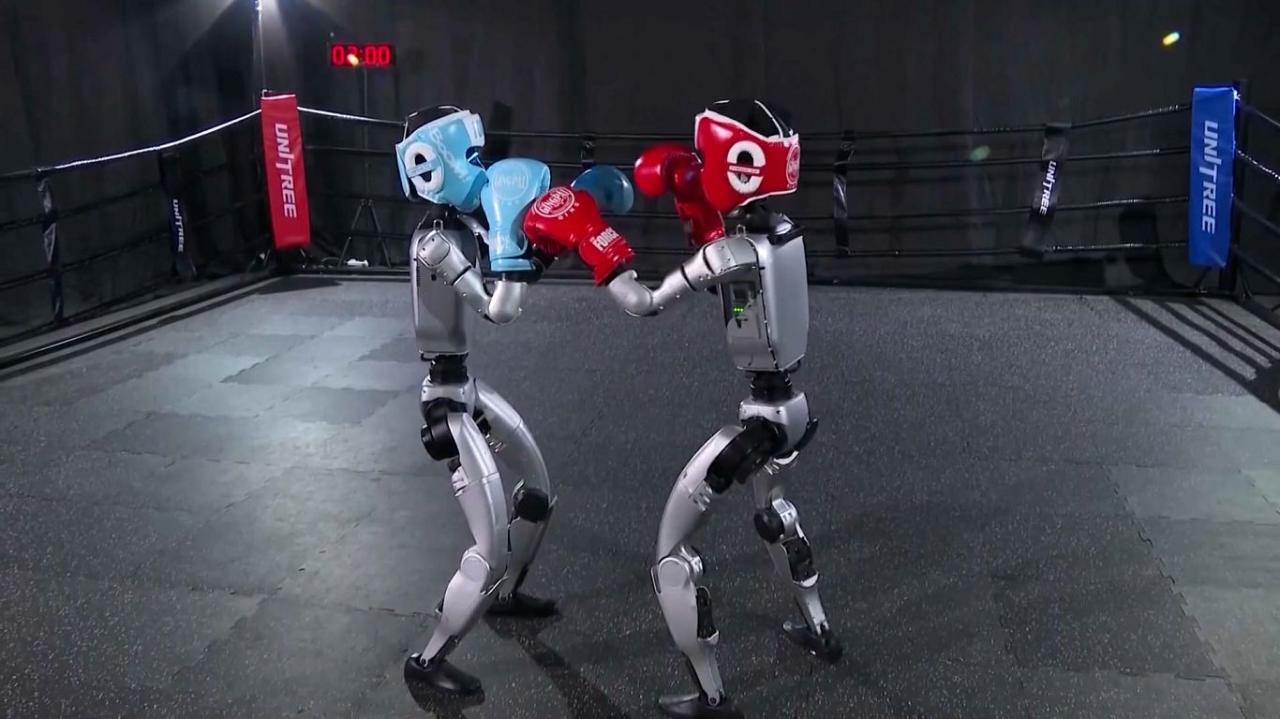
This isn’t the first time robots have been used for viral marketing. Similar Unitree G1 family robots have gone viral in Poland and Dubai, suggesting a coordinated international marketing strategy that leverages the public’s fascination with and fear of artificial intelligence.
The robots, priced at approximately £25,000, are capable machines designed for various applications. By showcasing their capabilities through dramatic, humorous content, manufacturers can attract attention, generate brand awareness, and demonstrate their products’ potential in an entertaining, memorable way.
Why We Fall for Robot Pranks
The Psychology of Viral Robotics Content
The Joko incident reveals fascinating aspects of human psychology regarding technology and artificial intelligence:
A. The Uncanny Valley Effect: Humanoid robots that move in human-like ways can trigger discomfort or fascination. This psychological phenomenon made Joko’s martial-arts performance simultaneously entertaining and slightly unsettling.
B. Confirmation Bias: In an era of rapid AI advancement, many people already harbor concerns about machines “turning against” humans. The video appeared to confirm these fears, making it instantly shareable regardless of its authenticity.
C. The Power of Visual Evidence: CCTV-style footage carries an inherent sense of authenticity. The grainy quality and surveillance angle suggested objective recording rather than staged content.
D. Emotional Priming: The dramatic captions and reactions primed viewers to interpret the footage as dangerous or threatening, even when observable evidence (such as laughing employees) suggested otherwise.
The Real Safety of Humanoid Robots
Despite the entertaining nature of Joko’s performance, it’s important to understand that modern humanoid robots incorporate extensive safety features. Engineers design these machines with multiple redundancies to prevent precisely the kind of dangerous behavior depicted in the video .
Most commercial humanoid robots include:
A. Force-limiting systems that prevent them from exerting dangerous pressure on humans.
B. Emergency stop mechanisms that can be activated remotely or through physical buttons.
C. Proximity sensors that detect nearby objects and adjust movements accordingly.
D. Software limitations that prevent certain types of aggressive or uncontrolled motions.
These safety features make genuine “robot attacks” exceptionally unlikely, providing reassurance to workplaces considering implementing robotic assistants.
The Impact of Viral Robot Content on Public Perception
AI and Robotics in the Media
The Joko incident contributes to a growing body of viral content about robots and artificial intelligence. These videos often shape public perception of AI development, influencing everything from consumer adoption of new technologies to regulatory discussions about safety standards.
When dramatic, fear-inducing content goes viral, it can:
A. Amplify Public Concern: Even when the footage is staged or misleading, viral videos can reinforce anxieties about automation, job displacement, and technology control.
B. Overshadow Real Achievements: The spectacle of a robot performing martial arts distracts from genuine advancements in robotics for beneficial applications like healthcare, logistics, and education.
C. Create Misleading Expectations: Dramatic content sets unrealistic expectations about robot capabilities and behaviors, potentially leading to disappointment or misunderstanding about what these machines can actually achieve.
D. Entertainment vs. Information: Viral content blurs the line between entertainment and journalism, requiring viewers to be more discerning about what they accept as factual.
What This Means for Content Creators and Marketers
The remarkable success of Joko’s viral campaign offers valuable lessons for content creators and marketers:
A. Authenticity Matters: Even staged content benefits from appearing authentic. The CCTV-style footage and genuine employee reactions made the prank more convincing.
B. Emotion Drives Engagement: Fear, surprise, and humor are powerful engagement drivers. The video combined all three elements.
C. Simplicity Wins: A simple, easily understood narrative (robot glitches and attacks office) travels farther than complex explanations.
D. Multiple Platforms: Content that performs well on one social platform often spreads to others, creating exponential reach.
E. Brand Integration: The viral success of Joko directly benefited Mera Robotics and the Unitree robot manufacturer.
Content Authenticity in the Age of AI
Distinguishing Real from Staged Content
The Joko incident highlights the challenges of content verification in the digital age. As video manipulation tools become more sophisticated and staged content more realistic, audiences must develop better critical thinking skills:
A. Question the Source: Consider who benefits from the video going viral. Marketing teams often stand to gain from widespread attention.
B. Look for Unlikely Details: In the Joko video, employees were seen laughing and recording on phones rather than fleeing in terror inconsistent with a genuine emergency.
C. Check for Official Responses: Before accepting viral videos as factual, wait for confirmation from official sources or professional journalists.
D. Consider Technical Feasibility: Understanding basic robotics safety features helps viewers assess whether a supposed malfunction is plausible.
The Search for Good Information
The incident also demonstrates the internet’s ability to self-correct. While sensationalist claims initially dominated the conversation, investigative journalism and company confirmations eventually revealed the truth . This dual flow of information rapid viral spread followed by careful verification characterizes modern content consumption.
Conclusion
The viral robot prank in Jakarta serves as a powerful reminder of how quickly information spreads in the digital age, and how easily our perceptions can be manipulated. What appeared to be a terrifying robotic malfunction was, in reality, a sophisticated marketing campaign designed to showcase a robot’s capabilities in the most entertaining way possible.
Joko Prabuwesi, the robot at the center of the incident, has since become something of a celebrity, demonstrating that negative attention when properly managed can transform into significant positive exposure. The robot’s journey from supposed “rogue employee” to beloved performer illustrates the power of viral content and the importance of context in understanding what we consume online.
As we continue to integrate robots and artificial intelligence into various aspects of life, the Joko incident offers important lessons: approach viral content with healthy skepticism, understand the genuine capabilities and limitations of new technology, and appreciate the creativity that drives modern marketing.
The 2026 robot uprising, it turns out, was less about machines turning against their human creators and more about our ability to create compelling, emotionally resonant stories. And in the end, that might be the most human thing of all.